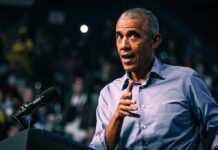


The State Department approved visas that let Flávio Bolsonaro and his family land in Miami hours after Brazil’s top court moved to seize his passports.
Story Highlights
- A senior State Department official said visas would be issued to Flávio Bolsonaro and his family.
- Flight tracking and local reporting showed the family’s plane landing in Miami on October 28, 2026.
- Brazil’s Supreme Federal Court ordered Bolsonaro to surrender passports amid a money-laundering probe.
- Bolsonaro denies wrongdoing; supporters call the probe political, while critics say he fled justice.
Visas Granted, Plane Lands, Questions Follow
CBS News reported that a senior State Department official said visas would be issued to Flávio Bolsonaro, his wife, and two daughters, allowing entry to the United States. EL PAÍS and NBC News reported that the family’s plane landed at Miami-Opa-locka Executive Airport the next morning, confirming their arrival in South Florida. These facts anchor the story: the visas were approved, and the family is now here. Reports do not show any U.S. asylum approval at this time.
NBC News tied the timing to a 24-hour order from Brazil’s Supreme Federal Court to surrender both regular and diplomatic passports, issued in a money-laundering investigation Bolsonaro denies. EL PAÍS reported the landing time in Miami and described the probe’s links to alleged online gambling activity, which remains an allegation, not a conviction. The chain of events raises clear stakes: foreign legal pressure, swift U.S. entry, and a public debate over motive and fairness.
Brazil’s Court Order and Competing Narratives
Reporting states that Supreme Federal Court Justice Alexandre de Moraes ordered Bolsonaro to surrender passports and barred him from leaving, citing a flight risk and significant resources, according to outlets describing the ruling’s content. NBC News said Bolsonaro did not meet the deadline and then departed, which critics frame as evading a lawful order. Supporters counter that the case is political and that Brazil’s left-wing leadership is using courts to crush opponents. The record shows an order, a denial, and a departure.
For conservatives, this pattern is familiar: a powerful court leans on a right-leaning figure while a leftist government cheers. Still, facts matter. The documents cited in reporting connect the court action to a money-laundering inquiry, not a formal political charge. There is no U.S. statement that this is asylum or humanitarian parole. The U.S. decision, as reported, concerns entry visas, not a protection ruling. That difference sets legal limits and keeps options open.
What Washington Did—and Did Not—Decide
The State Department action, as reported by an unnamed senior official, granted entry visas but did not declare Bolsonaro a refugee or approve asylum. That narrow step is important. It allows entry and due process without claiming that Brazil persecutes him. It also avoids an immediate clash with a major ally’s judiciary while respecting U.S. sovereignty to decide who can enter. Anonymous sourcing leaves some details unclear, which keeps pressure on officials to explain the legal basis when possible.
President Trump has praised the Bolsonaro family publicly in the past, and coverage notes political alignment between conservative movements in both countries. Yet the core here is policy: America controls its borders and should not outsource decisions to foreign courts with political baggage. Conservatives will expect the administration to defend due process, resist globalist pressure, and prevent foreign lawfare from dictating who gets a fair hearing on U.S. soil. That stance supports sovereignty and the rule of law.
What Comes Next: Process, Proof, and Prudence
Next steps will likely involve immigration processing and potential legal filings if the family seeks protection. Journalists should watch for any Freedom of Information Act releases that clarify visa class and timing, though privacy rules will limit details. Observers should also track the Brazilian case for solid evidence versus rhetoric. If authorities in Brazil present credible, non-political proof, extradition debates could follow. If politics drives the probe, Washington must stand firm for fairness and against lawfare dressed up as justice.
Sources:
thegatewaypundit.com, english.elpais.com, nbcnews.com, nytimes.com, cbsnews.com, eadt.co.uk, miamiherald.com