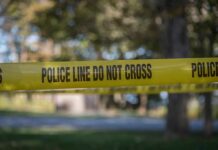


More than 500 bags of human remains turning up near a 2026 World Cup stadium is a grim reminder that cartel rule—not the rule of law—still dictates daily life in parts of Mexico.
Story Snapshot
- Authorities in Guadalajara, Jalisco have recovered more than 500 bags of human remains from four searched sites out of 20 identified clandestine grave locations.
- The discoveries are reported just miles from Akron Stadium, scheduled to host four 2026 World Cup matches starting in June.
- The finds come amid heightened cartel violence following the reported killing of CJNG leader Nemesio “El Mencho” Oseguera Cervantes on Feb. 22, 2026.
- Mexico’s federal leadership and FIFA say there is “no risk” to fans and have not announced venue changes, while locals and search groups warn the security crisis is real and ongoing.
Hundreds of “bags” recovered as grave sites spread across Guadalajara
Mexican authorities and search groups have reported a staggering find in Guadalajara: more than 500 bags of human remains recovered from four sites, part of a broader list of 20 suspected clandestine grave locations across the city. Reports place the discoveries only miles from Akron Stadium, a venue slated for four World Cup matches in 2026. The scale matters because it suggests a long-running, systematic disappearance problem—one that cannot be brushed aside as isolated crime.
Local civilian search group Guerreros Buscadores de Jalisco has played a visible role in highlighting the sites, arguing that proximity to the tournament is drawing belated attention to what families have faced for years. Their public focus underscores a hard reality: when communities have to organize searches for missing relatives, state institutions have already lost credibility. With 16 identified sites still unsearched, the full number of victims remains unknown based on current reporting.
“El Mencho” killing triggered violent aftershocks across Mexico
The spike in attention also tracks a major security event. On Feb. 22, 2026, Mexican security forces reportedly killed CJNG leader Nemesio “El Mencho” Oseguera Cervantes during a raid in Tapalpa, Jalisco, with additional casualties reported in the firefight. Subsequent reports say his body was forensically confirmed and released to family days later. Violence then spread across more than 20 states, including blockades and vehicle burnings.
Researchers and analysts cited in reporting have warned that removing a cartel leader can produce “violent realignments,” especially when succession is contested. In this case, reporting notes that “El Mencho’s” son—often described as a potential successor—remains imprisoned in the United States, leaving uncertainty about who consolidates power next. That uncertainty matters for public safety around Guadalajara because the city sits inside CJNG’s historical stronghold and trafficking infrastructure.
World Cup security promises collide with local fears and hard geography
Mexico’s president and FIFA’s leadership have offered public assurances, saying the tournament can proceed without venue changes and that planners have “complete confidence” in security arrangements. Jalisco’s governor has echoed that FIFA does not intend to alter Guadalajara’s venue status. Those statements aim to calm markets, teams, and traveling fans, but they also highlight a governance dilemma: confidence statements do not erase mass grave sites found near a major international event.
What Americans should watch as the U.S. co-hosts the tournament
The United States co-hosts the 2026 World Cup with Mexico and Canada, so instability near host venues is not a distant problem. It directly affects cross-border travel, law enforcement coordination, and the integrity of a global event that will move teams and fans across North America. From a limited-government, law-and-order perspective, the lesson is straightforward: when criminal organizations can operate mass burial sites near public infrastructure, citizens pay the price first.
Public reporting does not specify an exact date in late February for when the 20 sites were identified, and the remaining locations have not been fully processed. That means any claims about total victim counts, perpetrator identity for each site, or the direct operational link to current cartel leadership exceed the available facts. What is clear is the pattern: repeated discoveries in Jalisco, continued clashes after the Feb. 22 raid, and a major sporting event being asked to function amid unresolved security realities.