

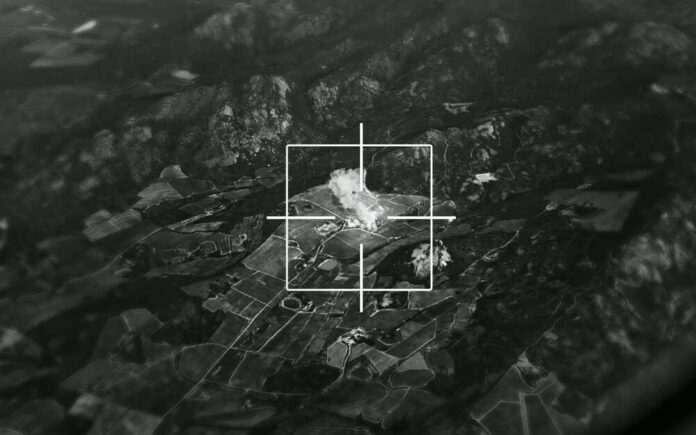
Israel’s AI targeting tool called “The Gospel” stirs anger by slapping a sacred Christian name on a black‑box war machine.
Story Highlights
- Reports say Israel named an AI targeting system “Habsora” — Hebrew for “The Gospel.” [1]
- Analysts claim religious naming can hide harsh realities of AI warfare. [2]
- Investigations allege the system can spit out about 100 targets a day, boosting strike volume. [1]
- Israel’s army denies the tool picks people to kill and says humans still decide. [6]
Religious Naming Sparks Outrage Among Christians
Independent reporters say Israel’s military uses an AI tool called “Habsora,” which translates to “The Gospel.” That name sits at the heart of the Christian faith. Critics argue using it for a war system shows deep disrespect. They say it normalizes killing by coating it with holy language. The label also risks confusing the public about what the tool does. The system’s name and timing have ignited anger across faith communities. These claims rest on multiple investigations. [1]
Policy researchers argue the Israeli military often uses soft or biblical names for systems that do hard things. They say this naming strategy can soften public reaction and hide real costs. “The Gospel,” “Lavender,” and other terms may create a feeling of moral cover. That mood can make oversight weaker and dissent harder. One analysis says the practice aims to conceal deadly effects and limit scrutiny from the outside world. These are serious cultural and ethical concerns. [2]
What The Tool Allegedly Does — And Why It Matters
Investigative pieces describe “The Gospel” as an engine that processes huge data and suggests targets fast. One report says it can generate around 100 targets a day. That speed dwarfs older human-only methods. Critics warn that volume can drive more strikes, including on homes. They add the tool uses machine learning and pattern hunting that humans cannot unpack. That “black box” makes it hard to explain or contest who gets hit and why. These allegations alarm civil society. [1]
Some accounts claim the system estimates civilian deaths before attacks using a simple color code. Green appears to mean go, red means stop or delay based on expected harm. If true, that would show the tool shapes deadly choices at scale. But the public has not seen the code, the models, or the rules. Without transparency, people cannot test the claims or check error rates. That gap feeds distrust and widens the moral debate over faith, war, and machines. [1]
The Israeli Military’s Denials And Legal Framing
Israel’s military rejects the harshest claims. It says “The Gospel” does not pick human targets and only points analysts to buildings or objects tied to militants. It also says an officer must sign off before any strike. Supporters argue these systems help follow the Law of Armed Conflict by gathering facts and predicting harm more accurately. A leading legal analysis says there is nothing unlawful about using decision-support tools if humans remain in charge. These are clear denials. [6]
The army further claims that its data tools help reduce civilian harm by improving the human-led process. That counters the idea that the system aims to boost casualties. Still, the military has not shared internal documents on why “The Gospel” was chosen as a name. It also has not opened the code for an outside audit. The absence of primary proof on naming and performance leaves a gap. That gap keeps the fire under this controversy burning bright. [2]
Why This Hits Home For American Conservatives
American readers care because names shape truth in public life. Government planners and tech elites already hide harsh policies behind soft words. We see it with “content moderation,” “equity,” and “misinformation” units that silence faith and common sense. Now, a wartime system wears the title “The Gospel.” That looks like cultural drift: take a sacred term, rebrand it as a tool, and dare people to object. It trains citizens to accept spin over straight talk. [2]
There is a path forward that respects faith and life. First, demand transparency: show the model testing, error rates, and human sign-off logs. Second, require plain-English rules that bar religious naming for weapons or targeting tools. Third, press allies to align with America’s values of clarity, human dignity, and real oversight. These steps do not weaken defense. They strengthen trust. They also protect the sacred from being turned into a brand for war.
Sources:
[1] YouTube – They Are Mocking Christianity…
[2] Web – The Gospel: Israel’s controversial AI used in the Gaza war
[6] YouTube – Understanding how Israel uses ‘Gospel’ AI system in Gaza bombings