

America’s new Middle East entanglement isn’t just pushing gas toward $4—it’s quietly choking off helium, the “invisible” ingredient that keeps MRIs running and chip factories humming.
Story Snapshot
- Reports say Iranian strikes on QatarEnergy LNG facilities halted Qatar’s helium output, a major share of global supply, triggering price spikes and allocations to U.S. customers.
- Helium shortages threaten semiconductors, consumer electronics, space launches, and medical imaging systems that rely on steady deliveries.
- Related war-driven supply shocks are also rippling into aluminum, plastics, and fertilizer, raising the risk of broader price increases.
- QatarEnergy has indicated repairs could take 3–5 years, meaning this is not a quick, “ride it out” disruption.
Qatar strikes expose a fragile helium supply chain
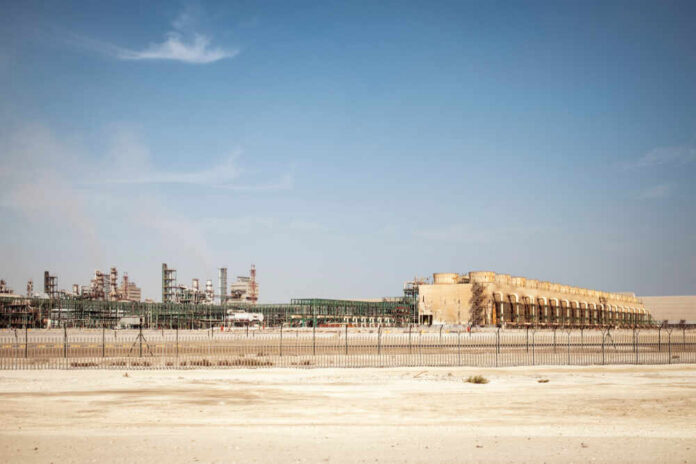
Iranian strikes on two QatarEnergy LNG facilities reportedly shut down helium production in Qatar and knocked out a notable slice of Qatar’s LNG export capacity. Because helium is produced as a byproduct of natural gas processing, damage to LNG infrastructure can remove helium from the market overnight. Industry reports also describe force majeure and allocation letters hitting U.S. customers, a sign that suppliers expect tight conditions to persist rather than resolve in weeks.
Qatar matters because global helium production is concentrated in only a handful of places, with the U.S. as a top producer and Qatar supplying a large portion of worldwide demand. With Russia effectively constrained by sanctions in U.S. and European markets, the system has fewer “backstop” options when a major supplier goes offline. That combination—limited producers plus a sudden outage—helps explain why buyers can face both higher prices and outright volume caps.
Semiconductors and AI infrastructure feel the squeeze first
Manufacturers rely on helium for specialized processes tied to chip production, and the research indicates some companies typically carry only limited stockpiles. Analysts quoted in the reporting warn that disruptions can cascade into production delays that touch everything from vehicle electronics to phones and laptops. If chips get delayed, downstream industries get hit twice—once through reduced supply and again through higher prices—especially as AI data centers expand demand.
That’s the part many voters may miss when headlines fixate on oil: helium is a “small” commodity with outsized leverage over modern life. A tight helium market can slow new tech deployments and raise costs for basic goods that depend on electronics supply chains. For conservative households already frustrated by years of inflation and high borrowing costs, another war-driven supply shock is the opposite of stability—and it lands at home regardless of anyone’s views on the conflict’s objectives.
Hospitals and patients face risk, even if access holds for now
Healthcare systems use helium to support MRI operations, and the reporting highlights the potential for cost increases and rationing pressures if disruptions persist. One key nuance: at least one healthcare-focused source says U.S. providers have not yet seen widespread access problems, partly due to diversified sourcing strategies. That is encouraging, but it does not eliminate risk; longer outages and broader allocations can still push costs upward and strain smaller providers.
War spillovers widen: aluminum, plastics, and fertilizer surge
Separate reporting tied to the same conflict points to higher aluminum prices and notable increases in key materials like urea fertilizer and polyethylene plastics. Those aren’t abstract inputs; they show up in food costs, packaging, and everyday household goods. When fertilizer climbs, farmers face higher operating costs that can filter into grocery bills. When plastics and aluminum rise, manufacturers and shippers pay more, and consumers see it later at the checkout line.
Politically, the episode highlights why parts of the MAGA base are split on deeper involvement in another Middle East war. It focuses on supply shocks rather than battlefield claims, but the economic message is straightforward: disruptions to critical commodities punish ordinary Americans first, and they can linger for years if damaged infrastructure takes years to rebuild. If Washington’s strategy doesn’t prioritize clear limits, accountability, and an exit ramp, these “hidden” costs can become the new normal.
Sources:
Iran war chokes off helium supplies in threat to chipmakers and healthcare
It’s not just oil — the Iran war is disrupting helium and aluminum…