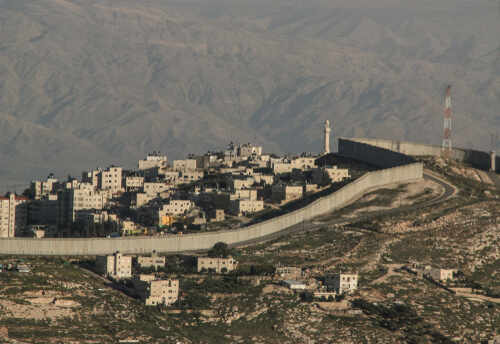
As Washington pours blood and treasure into a war with Iran, Israel’s West Bank crisis is exploding in a way that could pull Americans deeper into a conflict many voters never signed up for.
Quick Take
- Reports say coordinated Israeli settler attacks hit more than a dozen Palestinian communities in the West Bank over March 22–24, with homes and vehicles burned and residents assaulted.
- The IDF said it detained five Israeli civilians and confiscated weapons, while broader accountability remains contested in reporting.
- UN reporting cited a sharp rise in settler-violence incidents and significant displacement in the West Bank over the prior year.
- The violence is landing amid a wider regional war picture, raising political pressure on U.S. leaders already facing voter fatigue over foreign entanglements.
What happened over the March 22–24 weekend
Reporting described a multi-day wave of attacks by Israeli settlers across Palestinian communities in the occupied West Bank during Eid al-Fitr. Accounts said homes and cars were set on fire, residents were assaulted, and property was destroyed in multiple locations, including areas near Jenin in the north and Masafer Yatta in the south. Additional incidents were reported around Nablus, followed by continued raids and vandalism into Monday.
Israeli military statements cited in coverage said five Israeli civilians were detained and weapons were confiscated in connection with the unrest. Israeli opposition figures quoted in reporting described a “night of fire” and alleged that attacks lasted for hours and struck more than 14 villages. Injury counts varied by account, but one widely repeated figure in the reporting was at least 10 Palestinians injured during the Sunday attacks around Nablus.
Why this matters for Americans in 2026
U.S. voters are watching these developments through a very different lens than they did during earlier Middle East crises. America is already at war with Iran, and many conservative, Trump-supporting households are asking how a regional spiral affects U.S. troops, U.S. bases, and U.S. energy prices. For a movement that spent years rejecting “forever wars,” any escalation that widens the U.S. footprint raises the same question: what is the achievable end state?
That political tension is real inside the MAGA coalition. Some voters remain instinctively supportive of Israel as a strategic ally and see Tehran as a direct threat. Others are now openly skeptical of commitments that appear open-ended or that risk dragging the U.S. into more regime-change logic by default. The West Bank violence adds pressure because it fuels international outrage, invites retaliatory cycles, and complicates America’s messaging about rules, order, and restraint while fighting Iran.
Security, law enforcement, and the accountability gap
One consistent through-line in the coverage is the dispute over enforcement. UN-linked reporting and other accounts characterized the attacks as being met with limited law enforcement response, and in some cases described restrictions that hindered emergency services and movement. Israeli opposition voices argued the government is enabling disorder, while Israeli military leadership was quoted condemning extremist violence as morally unacceptable. These are not minor optics problems; they shape whether deterrence exists.
The data points cited in reporting are stark even before the March weekend. UN documentation referenced a rise in settler-violence incidents over a 12-month period ending in October 2025, compared with the prior year. Other figures cited in the same research described large-scale displacement tied to violence and property damage. The reporting also described road-gate closures since late February that restrict movement and can complicate humanitarian access, escalating local tensions and increasing the odds of miscalculation.
The bigger context: settlements, displacement, and wartime incentives
Long-running settlement expansion is the backdrop for why these incidents don’t stay “local.” Research cited more than 670,000 Israeli settlers living in the West Bank and East Jerusalem across roughly 250 settlements and outposts, alongside a Palestinian population of about 2.8 million living amid checkpoints, bypass roads, and movement restrictions. When violence spikes, the effects are immediate—burned homes, destroyed vehicles, uprooted olive trees—and long-term, as families relocate and communities fracture.
Reporting also highlighted inflammatory rhetoric from senior Israeli political figures and described earlier incidents in 2026, including a January attack in Masafer Yatta said to have occurred under IDF escort. Separately, accounts noted raids and arrests of Palestinians, including a journalist, while claims about settler detentions were narrower. The available research does not provide a comprehensive, independently adjudicated accounting of every arrest decision; it does show a persistent public argument over whether the system is applying the law evenly.
Israeli Settlers Carry out Pogrom in West Bank https://t.co/7rA8ZkdMpn
— Team CRUSH ✝️ 🇺🇸 (@NorCalCrush) March 24, 2026
For U.S. conservatives, the practical takeaway is less about taking sides in online shouting matches and more about demanding clarity from U.S. leadership: what commitments, funding, or operational support could expand because of cascading instability. If the administration is asking Americans to bear the costs of war with Iran—higher risk to servicemembers, higher prices at home, and more domestic strain—it owes the public a strategy that avoids drifting into another multi-front, no-off-ramp conflict.
Sources:
Israeli Settlers Conduct Multi-Town Pogrom Across West Bank, Unleashing Terror
Settlement & Annexation Report: January 30, 2026
West Bank attacks add to mounting toll of violent Israeli settler assaults
Settler-soldier pogrom in Masafer Yatta