
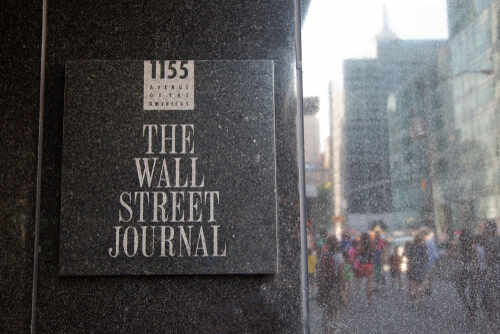
Justice Department subpoenas targeting Wall Street Journal reporters ignite fears of government retaliation against critical press, testing First Amendment limits in Trump’s second term.
Story Snapshot
- DOJ formally defends subpoenas issued to WSJ reporters in early 2026, claiming necessity for ongoing investigations.
- WSJ reporter Tarini Parti removed from White House press pool in May 2026 for alleged “fake and defamatory conduct.”
- Tensions highlight clash between law enforcement authority and press freedom protections.
- Federal courts will decide subpoena validity amid concerns over DOJ guidelines and source confidentiality.
- Both conservatives and liberals worry about elite overreach eroding constitutional principles.
DOJ Issues Subpoenas to WSJ Reporters
U.S. Justice Department issued subpoenas to Wall Street Journal reporters in early 2026. The action targets investigative reporting on Trump administration matters. DOJ filed legal defenses in May 2026, asserting subpoenas support legitimate law enforcement objectives. Specific investigations remain undisclosed. This marks escalation from Trump’s first term, where press criticisms occurred but major outlet subpoenas proved rare. Courts now balance these needs against First Amendment rights.
Press Pool Exclusion Signals Broader Tensions
White House Press Secretary Karoline Leavitt announced WSJ exclusion from press pool in May 2026. She cited the outlet’s “fake and defamatory conduct” during a Scotland trip coverage. Reporter Tarini Parti faced direct removal. This incident coincides with subpoena defenses, suggesting a pattern of restrictions. WSJ, known for business-friendly editorials, now confronts asymmetrical power as DOJ holds subpoena authority. Reporters risk contempt charges for non-compliance.
Historical DOJ Guidelines Under Scrutiny
DOJ guidelines from the 1970s require Attorney General approval for journalist subpoenas. These protect First Amendment interests while permitting essential investigations. Obama and Biden eras followed stricter adherence. Trump’s second term DOJ leadership pursues different priorities. Critics question guideline compliance here. WSJ likely argues violations, emphasizing source protection vital to journalism. Federal courts apply balancing tests, weighing public interest in probes against press privileges.
Shared Concerns Over Government Overreach
Americans across political lines express frustration with federal failures. Conservatives decry past liberal excesses; liberals oppose perceived conservative curbs. Yet both recognize elite priorities often trump citizen needs. These subpoenas fuel deep state suspicions, where officials prioritize power over principles. Outcomes could chill investigative reporting, deterring whistleblowers and eroding accountability. Long-term, they threaten precedents for all journalists, impacting public access to information during 2026 midterms.
"Justice Department defends subpoenas of Wall Street Journal reporters" – CBS News #SmartNews https://t.co/HxEgKC4GQk
— Nazim Abdul-Latif (@goldeinmind) May 12, 2026
Potential Impacts on Press and Public
WSJ faces immediate legal costs and source chilling effects. Broader media assesses vulnerabilities, potentially consolidating defenses. Law enforcement gains subpoena precedent if upheld. Public debate intensifies over press freedom versus security. Polarized reactions emerge, yet bipartisan distrust in institutions grows. Congressional oversight looms. Resolution shapes executive-press relations, echoing founding values of limited government and free inquiry essential to the American Dream.
Sources:
Press Freedom Tracker: WSJ reporter pulled from press pool