
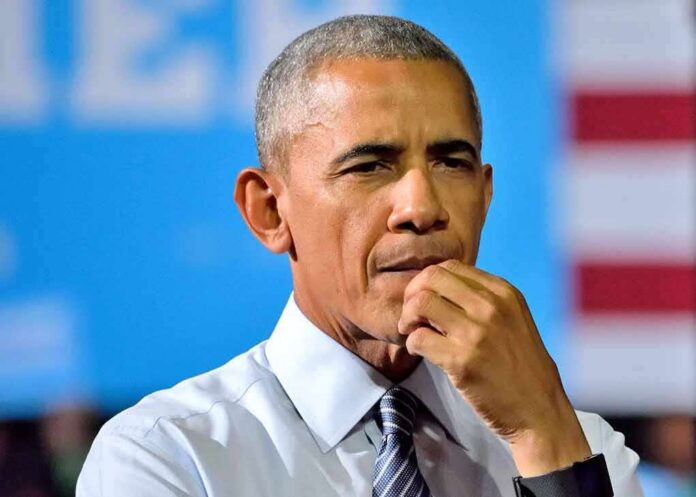
Barack Obama told a Massachusetts audience that America’s loud political fights are “manufactured,” and called for “new town squares” to shape public debate.
Story Highlights
- Obama said Americans are less divided than media and politics suggest, calling the noise “manufactured.”
- He blamed social media for “information bubbles” and urged “new town squares” for common dialogue.
- He has long warned that bubbles and disinformation threaten democracy, including in 2017 and 2022 talks.
- Independent reviews show mixed evidence on how much platforms drive polarization.
Obama Says Polarization Is Overstated And “Manufactured”
Barack Obama told a packed Salem State Speaker Series crowd on September 22 that Americans are “not as divided as our politics or our media would indicate.” He said the “loud, noisy, polarized dialogue is, in part, manufactured for a variety of interests.” Coverage of the event reported his call to recognize broad common ground beneath daily outrage cycles. Obama’s remarks framed the current tone as amplified by incentives around conflict and clicks rather than the true character of most citizens.
Obama also urged a reset in how people talk to each other. He linked growing division to “the siloing of information bubbles” online and said the country needs “new town squares where everyone is having a common dialogue.” Reports from the event emphasized his view that better civic spaces could lower the heat and widen shared facts. The Salem State coverage was based on live reporting rather than a released transcript, which can limit exact phrasing.
Earlier Speeches Tied Bubbles To Democratic Risks
Obama’s Salem comments echoed a theme he has repeated since leaving office. In his 2017 farewell address, he warned that many people retreat into “bubbles,” including “our social media feeds,” and accept only information that fits their views. He called that trend a “threat to democracy,” arguing that self-sorting weakens civic trust and makes debate harder. That message placed responsibility on citizens and media habits, not just on elected leaders or parties.
In an April 2022 speech at Stanford University, Obama expanded the case against disinformation. He said that inside personal information bubbles, “assumptions and blind spots” go unchallenged, and that fragmentation “deepens existing racial and religious and cultural divides.” Coverage and video records show he warned of real harms, saying disinformation puts lives at risk. He pushed platforms, policymakers, and the public to reduce the spread of falsehoods and strengthen shared facts.
What Research Says About Bubbles And Division
Academic reviews and journalism paint a mixed picture on how much platforms drive polarization. A major survey of studies found echo chambers are less widespread than many assume and that the “filter bubble” idea has weak support as a universal claim. That literature concludes the link between media use and polarization is complex, with effects that vary by user, context, and platform design. This evidence tempers simple stories about one main cause.
Other work still finds that platform algorithms and user choices can push people toward like-minded content. Researchers have reported that selective engagement and recommendation systems can increase ideological sorting for some users. Together, these findings leave room for Obama’s call to build better “town squares,” while reminding readers that culture, policy fights, and personal choices also matter. Obama’s diagnosis is clear, but solutions require many actors and careful testing.
Why This Matters To Everyday Conservatives
Conservative readers see how outrage drowns out common sense. Many feel media elites talk down to families who work, tithe, hunt, and pay rising bills. Obama’s remarks concede something real: the constant conflict online does not reflect your church, range, field, or shop floor. Building local “town squares” starts close to home. Support content choices that reward facts over fury. Demand open debate without speech policing. Protect the First Amendment while rejecting lies and violent threats.
What Comes Next: Free Speech And Common Ground
The path forward must keep free speech first. Government should not pick winners in debate. But leaders, schools, churches, and platforms can model fair rules and plain talk. Parents can teach kids to check sources and hear both sides. Local groups can host civil forums on taxes, schools, and safety. Obama’s message challenges all sides to lower the heat. Conservatives can lead by pairing tough debate with respect for liberty and the Constitution’s guardrails.
Sources:
youtube.com, eenews.net, yahoo.com, home.watson.brown.edu, brookings.edu