
Felony charges against James O’Keefe and Cam Higby over a Minnesota “voter vouching” sting raise sharp questions about criminalizing undercover reporting while no ballot was cast.
Story Highlights
- Hennepin County charged O’Keefe and Higby with unlawful voting and identity-related crimes tied to a filmed sting at polling places.
- Prosecutors say they used real voters’ names while testing Minnesota’s vouching process at multiple precincts.
- Reports say no ballot was cast and no voter oath was signed, setting up a fight over “attempt” versus completed offenses.
- O’Keefe calls the case “retaliation” and a bid to criminalize investigative journalism protected by the Constitution.
What Prosecutors Say Happened Inside Minnesota Polling Places
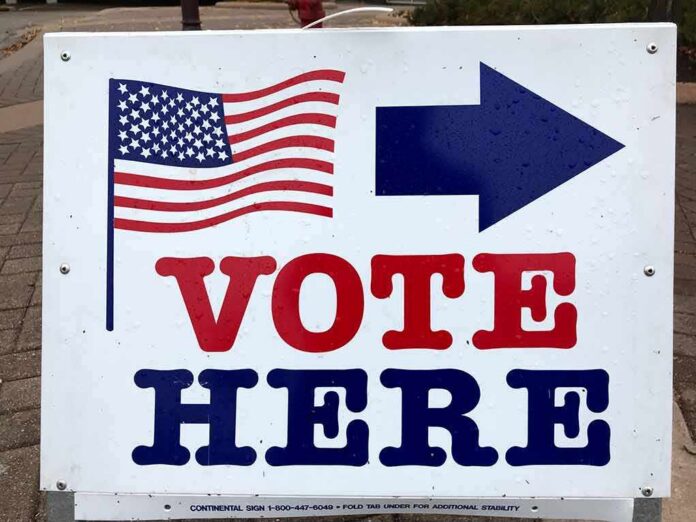
Hennepin County alleges O’Keefe and Higby went to three polling places during the August 11 primary and gave names of real registered voters to election judges while probing the state’s vouching system. Reports say the pair recorded the interactions themselves, creating video that shows what they said and how workers responded. Prosecutors argue the men misrepresented their identities when they began the ballot process, which Minnesota law can treat as unlawful voting even without a completed ballot, according to reporting on the statute.
Hennepin County Attorney Mary Moriarty’s office has described a clear theory: the crime began when the men presented themselves using names tied to Minnesota voter records and sought to initiate ballot access. Coverage indicates the charges do not depend on whether a final oath was signed or a vote was cast. Instead, the case leans on identity use and the first steps of obtaining a ballot. Officials have not publicly released every charging subsection, which limits outside review of exact elements.
What O’Keefe and Higby Argue About the Sting and the Law
O’Keefe says he and Higby did not apply for ballots, but asked clerks questions and posed hypotheticals to test how vouching works. He says they stopped and left before touching any ballots, because the goal was to expose a weakness, not to vote. He calls the case “retaliation” and “weaponized lawfare,” saying the work is protected investigative journalism under the Constitution and aimed at informing the public about election security. Higby adds he never voted, never signed an affidavit, and did not break any law.
This clash turns on a key line: when does testing a system become a crime? Prosecutors claim identity misrepresentation started when the men gave names of actual voters to polling workers. The defense says conversation and hypotheticals are not unlawful voting. Public reporting confirms that no ballots were cast and no voter oaths were signed, facts that could narrow what the state must prove about attempt versus completion. That tension will define the next legal steps and any pretrial motions over speech and intent.
How Minnesota’s Vouching Works and Why It Fuels Debate
Minnesota allows a registered voter to attest to another person’s residence on Election Day, under penalty of perjury. The person registering must still provide identity details, such as a Minnesota identification number or the last four digits of a Social Security number, according to explainers and state-aligned reporting. Officials have said the system is used by a small share of voters and is designed to help people who moved or lack current proof of address, not to bypass identity checks.
Critics on the right warn vouching can be gamed and erodes trust if workers accept thin proof. Supporters say it adds a check, not removes one, and can be more secure in practice because it combines an identity step with a sworn attestation of residence. The O’Keefe case lands in the middle of this fight. If the videos show workers entertaining scenarios that seem lax, skeptics will see a hole. If records show the process would have stopped at the oath or ID step, defenders will call the sting misleading.
What to Watch Next: Evidence, Free Speech, and Equal Treatment
The strongest evidence may be the men’s own recordings. Prosecutors will try to show the pair used real voters’ names to start ballot access across multiple locations, proving intent and repetition. The defense will stress no vote and no oath, and will argue the activity was newsgathering. Courts will weigh the exact statutory subsections, the role of attempt, and how far free speech and press protections reach inside a polling place context.
For readers worried about election integrity and the rule of law, two things can be true at once. The system should be tight, simple, and fair. And the state must not punish speech or journalism for politics. The path forward is sunlight: release full charging documents, authenticate complete video, and put sworn polling-worker statements on the record. Facts, not narratives, should decide this case, and trust in voting depends on that outcome.
Sources:
thegatewaypundit.com, kmbc.com, okeefemediagroup.com, bostonglobe.com, usatoday.com, cbsnews.com, upi.com, reuters.com, mprnews.org, fox9.com