
Cuban troops gunned down four and wounded six on a Florida speedboat just one mile from their coast, igniting fears of war in the Caribbean—but who fired first?
Story Snapshot
- Cuban military claims armed U.S.-based Cubans fired first in self-defense shootout on February 25, 2026.
- U.S. Secretary of State Marco Rubio calls incident “highly unusual,” launches independent probe skeptical of Havana’s story.
- Trump administration’s tough Cuba stance escalates after Venezuela’s Maduro ouster cuts Havana’s oil lifeline.
- Florida officials demand accountability, fueling regime change calls amid unverified victim citizenship.
- Rare deadly sea clash threatens maritime security and U.S.-Cuba relations already frayed by ended cooperation.
Incident Unfolds Off Cayo Falcones
Cuban forces clashed with a Florida-registered speedboat carrying 10 passengers one mile northeast of Cayo Falcones on February 25, 2026. Havana reports the occupants opened fire first, prompting return fire that killed four, including Michel Ortega Casanova, and injured six. One Cuban officer suffered wounds. The boat entered Cuban waters, sparking immediate military response.
Cuba’s Interior Ministry named passengers like Conrado Galindo Sariol and José Manuel Rodríguez Castelló as U.S.-residing Cubans with criminal histories plotting infiltration and terrorism. This narrative portrays the vessel as a threat to national security, not innocent travelers.
U.S. Leadership Demands Verification
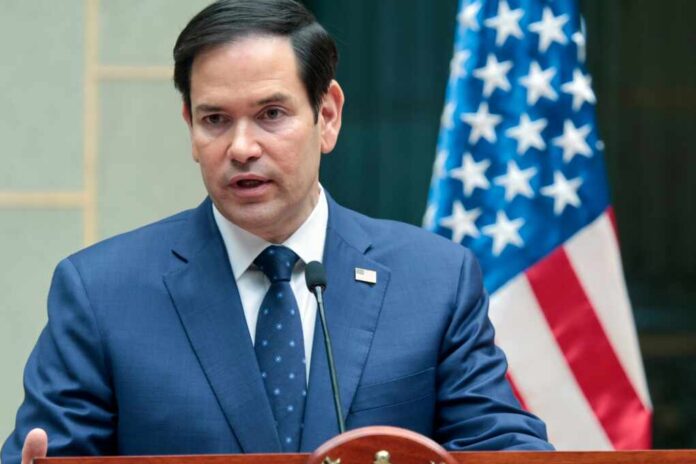
Secretary of State Marco Rubio received briefings that afternoon, then updated Vice President JD Vance. Rubio stressed U.S. agencies would not rely solely on Cuban accounts. He noted the rarity of open-sea shootouts with Cuba, calling it unprecedented in decades. Coast Guard maintains contact with Cuban counterparts while probing independently.
Florida Attorney General James Uthmeier ordered state investigations, distrusting Havana’s regime. Rep. Carlos A. Gimenez condemned the killings outright, urging Cuban regime change. Homeland Security and Coast Guard gather facts to clarify victim statuses as citizens or residents.
Escalating Tensions Under Trump Policy
Relations soured post-Maduro ouster in Venezuela, Cuba’s key oil supplier. Trump officials demand economic and political reforms from Havana. Past U.S.-Cuba cooperation on drugs and crime ended, leaving skirmishes unresolved. This deadly encounter stands out amid routine boat interceptions without gunfire or fatalities.
Rubio’s caution aligns with conservative skepticism of communist regimes’ propaganda. Facts support questioning Havana’s self-defense claim until U.S. verifies initiation of fire and boat intent. Common sense dictates independent probes protect American interests over accepting unproven accusations.
Implications for Diplomacy and Security
Short-term, parallel U.S. investigations strain resources and heighten rhetoric. Long-term, expect tougher Trump policies, revised maritime rules, and Caribbean instability. Families grieve, Cuban-Americans rally, commerce faces risks. Weak verification—private Florida registrations block checks—fuels uncertainty.
Sources:
Cubans from US killed after speedboat opens fire on island’s troops, Havana says
Cuba says boat from Florida opened fire on its soldiers, starting fight that killed 4