
A single federal sentence hangs over every local TV newsroom in America: your broadcast license is not yours.
Quick Take
- FCC Chairman Brendan Carr warned broadcasters that “hoaxes and news distortions” can put licenses at risk if stations don’t correct them.
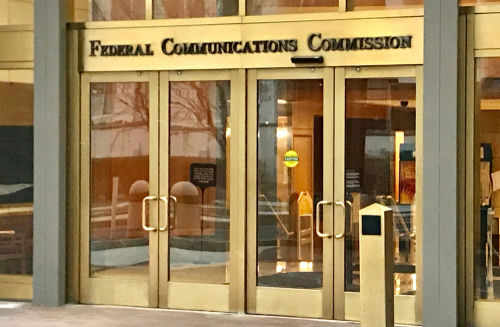
- The FCC regulates local stations and their licenses, not the national networks people usually blame or praise.
- Carr’s position leans on a long-standing idea: a broadcast license is a revocable privilege tied to “public interest,” not private property.
- Critics call the warning censorship; supporters call it overdue enforcement of basic accountability.
Carr’s Warning Targets the Weak Link: Local Affiliates, Not the Networks
Brendan Carr’s March 14, 2026 social-media warning landed where it could actually bite: the license holders, meaning local stations that carry ABC, CBS, and other network programming. Viewers experience “CBS News” as a national brand, but the FCC’s leverage sits closer to home, at the affiliate level. Carr’s message was blunt: stations that air what he called hoaxes and distortions must correct them, or risk consequences tied to license renewal and revocation authority.
That structure matters because it changes the incentive map. A network can spark controversy, but the local station signs the checks, answers community complaints, and holds the legal permission to use scarce public airwaves. Carr’s approach effectively tells station owners: you can’t outsource judgment to a network feed and then act surprised when regulators ask who served the public interest. That’s a serious shot across the bow, even without an enforcement action filed yet.
“Not a Property Right” Is the Hidden Trigger Phrase Behind the Whole Fight
“Not a property right” sounds like legal trivia until you translate it into plain English: the government can take it back. Broadcast licensing has always rested on that trade—exclusive use of spectrum in exchange for operating in the public interest. Carr’s critics hear a threat to editorial freedom; Carr frames it as long-neglected rule-of-law enforcement. The historical backbone comes from the Communications Act framework and Supreme Court-era reasoning that treated spectrum as scarce and therefore regulable in a different way than print.
The modern tension is obvious to anyone over 40 who remembers when “watching TV” meant antennas, not apps. Streaming platforms, podcasts, and social video live outside the FCC’s broadcast-licensing regime, yet they shape public opinion just as aggressively. That creates a fairness problem that cuts both ways. Conservatives often argue for equal treatment and against selective enforcement; the obvious question becomes whether regulators will police only the legacy outlets that still bother to play by old rules.
The Kimmel and CBS Episodes Show Carr’s Theory: Accountability Must Follow the License
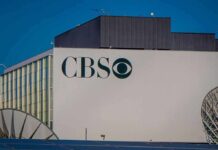
Carr’s earlier clashes sketched the boundaries of his thinking before the March 2026 warning. He criticized stations that aired ABC’s “Jimmy Kimmel Live!” after controversial remarks, and he pushed for maximum fines against CBS tied to programming disputes and interview handling. The pattern isn’t subtle: Carr keeps pointing back to the local licensee’s obligations, not the celebrity host’s microphone. That’s consistent with how the FCC’s authority actually works, but it also drags routine political fights into a regulatory arena.
Common sense says a regulator should act like a regulator, not a roving referee for partisan arguments. The strongest case for Carr is narrow and practical: if a station knowingly broadcasts false information that affects public safety or public understanding, requiring a correction sounds less like censorship and more like basic standards—similar to consumer protection against fraud. The weakest case is broad and ideological: “news distortion” can become a squishy term that depends on who holds power.
Why This Feels Like Censorship to Critics, and Why That Claim Isn’t Automatically Wrong
California Governor Gavin Newsom called Carr’s posture “flagrantly unconstitutional,” and speech advocates like FIRE’s Adam Terr labeled it censorship. Those criticisms carry weight because content-based government pressure almost always risks chilling speech, even when no one files a case. A station manager doesn’t need a formal revocation notice to change what gets booked, how headlines read, or whether a contentious segment runs at all. The fear isn’t just punishment; it’s a new habit of self-censorship to stay off a regulator’s radar.
American conservative values put a premium on the First Amendment and distrust of bureaucratic overreach, but also on accountability and truth in public life. That combination makes this episode tricky. Carr’s defenders can argue that “public interest” obligations aren’t new and that broadcasters accepted them to occupy spectrum. Critics can answer that the government never gets to define “truth” in political disputes without sliding into viewpoint discrimination. Both sides should insist on one safeguard: enforcement must be specific, evidence-driven, and subject to transparent due process.
The Real Endgame Might Be Auctions, Not Headlines
Carr has floated a structural off-ramp: auctioning licenses that come without traditional public-interest obligations, effectively letting stations opt into a different regulatory model. Broadcasters themselves appear divided, with some arguing that public service obligations distinguish them from “jukeboxes,” while others want relief from rules that streaming competitors ignore. That auction idea would require major policy moves and likely congressional involvement, but it hints at a longer game: redefine broadcasting so the FCC isn’t stuck policing content while the audience migrates elsewhere.
The practical takeaway for viewers is less about Washington drama and more about your local station’s future. If stations believe the license comes with unpredictable political risk, they may invest less in news, lean harder on low-cost syndicated content, or push audiences to online platforms where the FCC can’t follow. If Carr backs his words with narrowly tailored enforcement, he could force a reset toward corrections and clearer standards. If the approach turns broad, courts will likely step in, and the FCC could lose more authority than it gains.
Sources:
FCC’s Carr Threatens TV Broadcast Licenses Over News Coverage
Carr Floats FCC Auction For Licenses Without Public Interest Rules