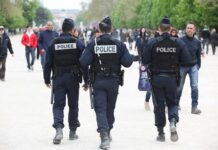


A family’s one-year-old pet donkey was shot dead during a missing-child search, and the bodycam remains sealed.
Story Snapshot
- Police chief confirmed an officer shot and killed a pet donkey named HeeHaw during a nighttime child search.
- The officer is on paid leave while a state agriculture law unit investigates.
- The owner says officers entered private pasture, tased the donkey, then fired; she describes HeeHaw as friendly.
- Chief says body-camera video exists but has not been released for public review.
Confirmed Facts: What Police Say Happened
Cedartown Police Chief Jamie Newsom said one of his officers shot and killed a one-year-old miniature donkey named HeeHaw during a nighttime search for a missing child in Polk County, Georgia. The department said officers were assisting the county search when the incident occurred on private property. Reason reported that a police account described the donkey as “charging” and said the officer fired to protect himself, another officer, and bloodhounds. The officer was placed on paid leave while a state investigation proceeds.
Chief Newsom confirmed body-camera footage exists and said he viewed it, but he declined to describe what it shows. Officials have not released the video or full report text. That means the key “charging” claim rests on written statements, not public footage, at this time. Several outlets reported officers first tried to use a Taser before the fatal shot, but the exact sequence on video has not been shared. Those missing details leave open questions about distance, lighting, and perceived threat.
Competing Account: What the Owner Says
Owner Hannah Israel says officers entered her pasture without permission around 12:45 a.m., used a Taser on HeeHaw, and then shot him in his own enclosure. She says officers told her the donkey ran toward them while braying, which they viewed as a danger. Israel describes HeeHaw as bottle-raised, affectionate, and used to people, including petting zoo settings, arguing he posed no serious threat. Her comments spread quickly on local television and social platforms, drawing strong public reactions and sympathy.
Israel’s version conflicts with the “charging threat” framing in the reported police account. The public has not seen the body-camera video that could confirm or rebut either side. That gap, common in sensitive use-of-force probes, fuels distrust and intensifies the debate over whether lethal force was reasonable. Families often emphasize an animal’s gentle nature; agencies highlight split-second threats. Without video, each side’s claims carry emotional weight but limited independent proof.
Why This Matters: Property Rights, Policing, and Accountability
Courts have held that killing a pet can be a seizure of property under the Fourth Amendment when the force is unreasonable, which makes facts like threat, distance, warnings, and alternatives vital to assess. Animal-response training guidelines stress using the least force needed and reserving deadly force for imminent danger after other options fail. These standards align with common-sense policing: protect life, respect property rights, and document decisions with clear evidence.
STATEMENT FROM THE CITY OF CEDARTOWN
The Cedartown Police Department is aware that a city police officer shot and killed a donkey in the early hours of Sunday morning. A Cedartown police officer was on the scene after being called by Polk County Police to assist with a nighttime…
— Michael Mattox – The Mad Ox (@TheRealMadOx) September 1, 2026
Conservatives value both law and order and private property rights. Officers searching for a missing child deserve support and safe conditions. But citizens also deserve transparency when a pet is killed on private land. Releasing the full body-camera footage, dispatch audio, and the complete incident report would help the community judge the threat claim fairly. That clarity protects good officers, deters bad decisions, and upholds trust in the badge without bending to activist narratives or mob pressure.
Next Steps: What Transparency Should Look Like
Officials should release synchronized body-camera clips from all involved officers, with audio, along with dispatch logs and timestamps from the missing-child search. The state unit should publish a clear timeline addressing whether less-lethal tools were tried, what warnings were given, and how close the donkey was when force escalated. A veterinary and animal-behavior review could inform whether a one-year-old mini donkey can pose a serious, imminent threat in those conditions, but video remains the key record.
If footage confirms a real, fast-moving threat, the officer’s decision may align with training. If it does not, the department should pursue discipline, retraining, and restitution. Either way, sunlight is the answer. President Trump’s focus on law, order, and accountability benefits from fast, factual disclosures that respect property owners and support frontline officers. Georgia leaders can set that standard here by letting the evidence speak—fully, and soon.
Sources:
abc7chicago.com, police1.com, wsbtv.com, local3news.com, youtube.com, facebook.com, 11alive.com, theguardian.com