

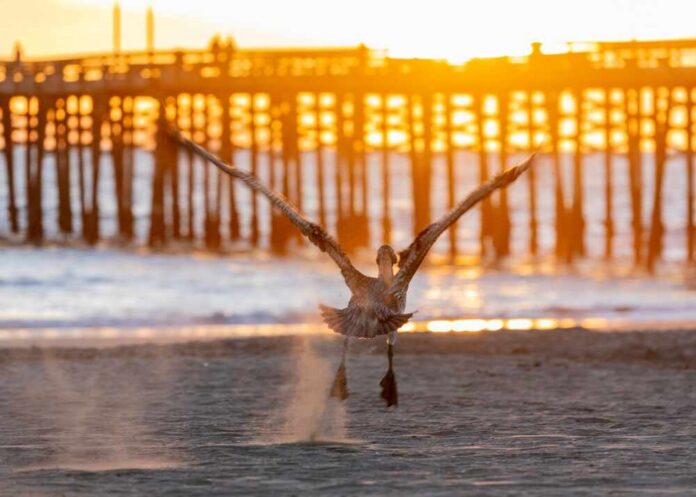
As mysterious waves of dead seabirds wash onto California beaches, the same state agencies that once pushed climate alarmism now admit basic ecosystem mismanagement and warming waters are starving wildlife.
Story Snapshot
- California officials say starvation, not bird flu, is driving the mass seabird deaths along the coast.
- Warming ocean conditions and shifting bait fish are leaving juvenile birds without enough food to survive.
- Past marine heatwaves like “The Blob” killed up to a million birds, yet Sacramento kept chasing pet green agendas instead of resilience.
- Conservatives see another warning sign of what happens when coastal elites ignore practical stewardship and real science.
What Wildlife Experts Are Actually Finding On California’s Beaches
Wildlife officials in California are quietly confirming what beachgoers have seen with their own eyes for months: hundreds of dead and dying seabirds, especially brown pelicans, common murres, and Brandt’s cormorants, are washing ashore from San Diego to Northern California in an ongoing mortality event.[1][2] The California Department of Fish and Wildlife has concluded that most of the birds they examined are severely emaciated, with starvation identified as the primary cause of death, not infectious disease.[4] Many are young birds that never had a chance to survive their first season.[4]
Rescue groups report working around the clock to stabilize weakened pelicans brought in from beaches, piers, and harbors, often birds so thin that bone structure is visible under feathers.[2] Reporters touring rehabilitation centers have been told that something is “unusual” in the ocean environment; birds that normally thrive by diving for anchovy and sardine schools are simply not finding enough prey.[1] Federal protections on these birds mean each carcass on the sand is not only a tragedy for the species, but also a symbol of deeper coastal mismanagement.
Starvation, Not Bird Flu, And How Warm Water Changes Everything
The California Department of Fish and Wildlife’s own release states that nearly all examined birds showed classic signs of starvation, sometimes combined with secondary infections or parasites that take advantage of already weakened animals.[4] Officials explicitly say this mortality event appears largely unrelated to avian influenza H5N1, even though that virus has been present in California wildlife and was recently detected in marine mammals off San Mateo County.[4] That means hunger, not a new pandemic, is doing the damage this time.
Scientists and rescuers are tying this hunger to abnormal ocean conditions that push bait fish deeper and farther offshore, out of reach for inexperienced young birds.[1] During past marine heatwaves, especially the 2014–2016 event nicknamed “The Blob,” researchers documented about 62,000 common murre carcasses on West Coast beaches and estimated total mortality near one million birds, almost all from starvation. Warmer water reshaped the food web, cutting the energy available to fish and then to seabirds, demonstrating how quickly a stressed ocean can fail top predators.
Why California’s Coastline Keeps Getting Caught Flat-Footed
Local investigations show that state and regional institutions have spent years chasing single-cause explanations—bird flu, fertilizer-driven red tides, even drone disturbances at nesting sites—without building resilient systems that can withstand known patterns of heatwaves and harmful algal blooms. In 2025, for example, domoic acid from algal toxins caused neurological crises in seabirds along Southern California, yet that event is now followed by a starvation crisis barely a year later. Each time, officials seem surprised, despite a clear history of recurring stress on the same coastline.
Neutral scientific reviews describe mass seabird die-offs as recurring features of North Pacific ecosystems when ocean temperatures swing and food chains are disrupted. Yet California’s political leadership spent the last decade prioritizing sweeping climate rhetoric over practical adaptation measures such as better fishery management, realistic monitoring of heatwaves, and support for local rehabilitation networks that actually handle the fallout.[3] When ideology outruns common-sense stewardship, it is wildlife and coastal communities that pay the immediate price, while bureaucracies issue careful press releases.
What This Means For Families, Taxpayers, And Real Conservation
For families heading to the beach, these dead birds are more than an eyesore; they are a warning that state leaders have not balanced environmental ideals with the responsibility to keep ecosystems and public spaces healthy. Taxpayers fund agencies that now openly concede they missed the mark on prevention, even as volunteers and private nonprofits shoulder much of the hands-on rescue work.[2][4] That inverted priority list—bloated government messaging on climate, thin support for on-the-ground care—should concern anyone who values limited but effective government.
Conservative voters who support responsible conservation can read this die-off as another lesson: real environmental protection means understanding food webs, heatwaves, and shoreline management, not just passing symbolic resolutions in Sacramento. Trump-era reforms have emphasized energy independence and regulatory sanity, but states like California must still choose whether to partner with that agenda or cling to failed green orthodoxies. The birds on the sand are a nonpartisan fact; the choice to learn from them or repeat the cycle is political.
Sources:
[1] YouTube – ‘A big indicator’: Dead seabirds found along California …
[2] Web – 2026 California Starvation Event – International Bird Rescue
[3] Web – Seabird Mortality Event Along the California Coast: What We Know
[4] Web – CDFW Finds Starvation to be Primary Cause of Increased Mortalities …