
As he wrapped up his presidency in Havana, Colombia’s Gustavo Petro publicly urged President Trump to choose talks over any move to invade or strike communist-run Cuba, putting fresh pressure on Washington’s hard line toward the island.
Story Snapshot
- Colombia’s outgoing president Gustavo Petro used his final foreign trip to call for “dialogue” with Cuba instead of invasion or missile strikes.
- Petro’s plea comes after President Trump and Secretary of State Marco Rubio warned that Cuba’s regime is “ready to fall,” raising fears of tougher U.S. action.
- Petro openly blamed the U.S. embargo and fuel blockade for Cuba’s crisis and urged Trump to restart talks and lift economic pressure.
- The episode highlights a deep split: Latin American leftists rally around Cuba’s regime, while U.S. conservatives see a chance to end a hostile dictatorship.
Petro’s Havana Appeal to Trump and Rubio
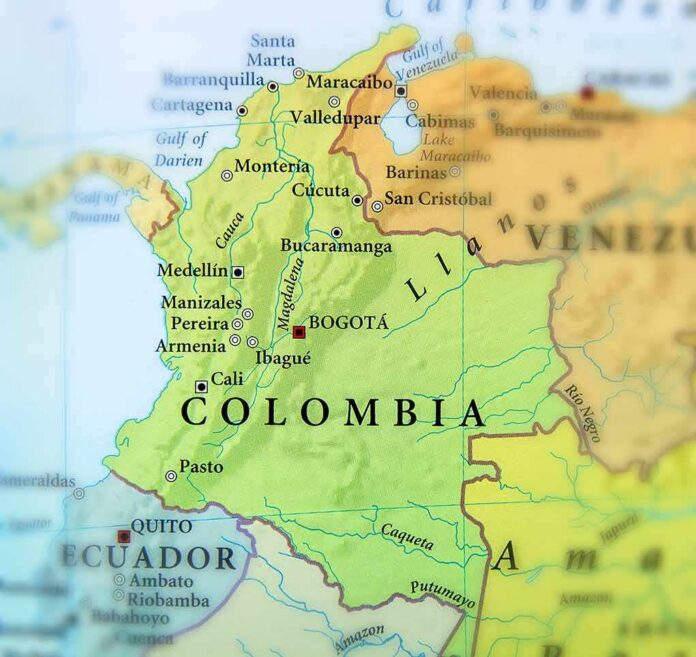
Outgoing Colombian President Gustavo Petro arrived in Havana on July 31 for his last official foreign visit before leaving office, where he met Cuban ruler Miguel Díaz-Canel at the Palace of the Revolution with full military honors. After the talks, Cuban media published Petro’s message: he said he came to “call on humanity to show solidarity with Cuba” so there would be no invasion or missile strike, and to propose dialogue as an alternative to the U.S. government, Secretary of State Marco Rubio, and President Trump.
Petro called the situation a “danger looming over Cuba” and said the island should be turned into a stage for talks, not a battlefield. He argued that any U.S. military move against Cuba would be an aggression against Latin America, repeating his claim that the Caribbean is a “zone of peace” that must be shielded from intervention. His comments fit a long pattern: he has repeatedly urged Washington to soften its approach to Cuba and restart diplomatic dialogue instead of using sanctions or force.
Trump’s Pressure on Cuba and Petro’s Pushback
President Trump has used strong language about Cuba’s regime for months, suggesting the island’s communist government is “ready to fall” and warning that it should make a deal before it is too late. U.S. media and think tank analysis describe Trump floating military options in the region after action in Venezuela, mentioning Cuba along with other hostile states as possible targets if they do not change course. These warnings alarmed Petro, who publicly responded that invading Cuba would ignite political violence across Latin America and hurt fragile democracies.
From Bogotá, Petro earlier blasted what he called “recent U.S. threats of military intervention” against Cuba, posting that there was now talk of “invasions and missiles on the island.” He has argued that hunger and poverty in Cuba come mainly from the decades-long American embargo and fuel blockade, not just from the communist system. In his view, lifting the blockade and restarting talks would bring political change in Cuba without war, a stance that lines up with his broader leftist agenda and his support for Havana.
Dialogue, Embargo Politics, and Conservative Concerns
Beyond the invasion warnings, Petro has tried to sell a detailed alternative built on energy and talks. In a long post on the social platform X, he invited the United States to change its policy toward Cuba by unleashing a solar energy program across the island, with Latin American countries like Colombia supplying silica sand, copper, and solar panels. He said Washington and Havana must learn to understand each other “despite differences” and that restarting a dialogue between the United States and Cuba is the only sane path forward.
Petro even urged Americans to listen more to Cuban culture and artists, framing music as a bridge between the two nations. For many conservatives, these ideas raise red flags. Cuba remains a hostile, one-party dictatorship that jails dissidents, allies with adversaries like Iran, and has long welcomed terrorists and spies. Yet Petro’s plan focuses on more money, energy projects, and diplomatic cover for Havana, while downplaying the island’s record of repression and its ties to anti-American forces. That tilt worries patriots who see moral clarity as vital in dealing with regimes that attack freedom.
Regional “Zone of Peace” vs. U.S. Security Priorities
Petro’s Havana message fits a wider push by Latin American leftist leaders to frame U.S. pressure on Cuba as a direct attack on regional sovereignty. He has described the embargo as “genocide,” claimed it starves the Cuban people, and said that those who want to invade Cuba will “extinguish” Latin America’s young democracies. By calling the Caribbean a “zone of peace,” Petro argues that any U.S. military option, even a limited strike, is unacceptable, no matter how hostile the regime or how serious the threats it poses.
Colombian President Gustavo Petro urges Trump to hold talks, calls for averting US invasion of Cuba pic.twitter.com/LF2SinC1oE
— official Denton James (@Dentonjameso) August 2, 2026
For American conservatives, that argument clashes with basic national security duties. Cuba sits just 90 miles off Florida, has welcomed Russian and Chinese presence, and has a long record of partnering with anti-U.S. movements. President Trump’s team has stressed that pressure, including sanctions and open discussion of military options, is meant to protect U.S. interests and push dictators to change. Petro’s vocal defense of Havana, from calling for lifting the embargo to warning against any strike, shows how far some regional leaders are willing to go to shield a communist ally even as they urge Washington to “dialogue” with a regime that has no love for American freedoms.
Sources:
insiderpaper.com, globalnation.inquirer.net, nampa.org, aljazeera.com, en.cibercuba.com, colombiaone.com, instagram.com, barrons.com, freemalaysiatoday.com