

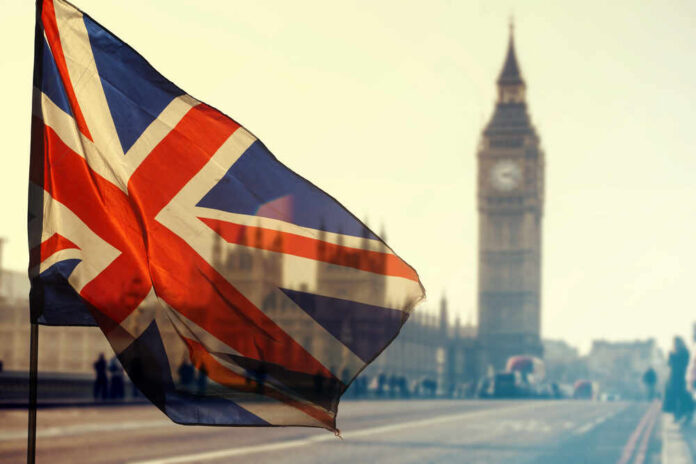
London’s local elections in 2026 serve as a critical test of political winds across the pond, offering insights into how leftist Labour policies are faring against rising conservative and populist challengers in Britain’s capital.
Story Overview
- All 32 London boroughs held elections on May 7, 2026, with results trickling in through May 10
- Labour defends 2,557 seats while facing challenges from Conservatives, Liberal Democrats, and surging Reform UK
- Five mayoral races in Tower Hamlets, Croydon, Newham, Hackney, and Lewisham add executive power stakes
- Low voter turnout and hung councils signal potential fracturing of Labour’s urban dominance
London’s Electoral Landscape Tested
London voters cast ballots on May 7, 2026, across all 32 borough councils in the capital’s quadrennial election cycle. The elections encompassed approximately 1,000 council seats, with Labour defending a commanding 2,557 seats nationwide compared to the Conservatives’ 1,362 and Liberal Democrats’ 684. Five boroughs—Tower Hamlets, Croydon, Newham, Hackney, and Lewisham—simultaneously elected executive mayors with direct control over local housing and waste policies. The elections coincided with Scottish Parliament and Welsh Senedd contests, forming part of 136 English local authorities contesting 5,013 seats total. Results began trickling in late May 7 and continued through May 10, with live tracking maps monitoring seat-by-seat outcomes.
Political Fragmentation and Conservative Opportunities
The 2026 elections arrive amid Britain’s post-Brexit economic challenges, including persistent cost-of-living pressures and housing shortages that resonate with conservative concerns about fiscal mismanagement. Labour faces vulnerability from left-wing splits with Green candidates in inner boroughs, while Conservatives target outer London areas like Bromley where traditional Tory-Liberal Democrat battles persist. Reform UK’s emergence as a disruptive force threatens to siphon votes from disillusioned Conservative supporters, mirroring frustrations American conservatives recognize with establishment politics. Estimated voter turnout of 35-40 percent suggests public disengagement that historically benefits challengers over incumbents. The slow pace of result declarations—with zero of 32 boroughs fully reported as of May 10—underscores the scale and complexity of London’s electoral machinery.
National Implications Beyond London
London’s results serve as a bellwether for Britain’s political realignment following Labour’s 2024 general election landslide. Analysts anticipate hung councils with no overall control, signaling eroding confidence in Labour’s governance despite their recent national victory. Conservative gains exceeding 10 percent of seats would demonstrate momentum for traditional right-wing politics, while Liberal Democrat suburban advances in areas like Sutton could position them as kingmakers in coalition negotiations. The mayoral contests carry particular weight, as executive mayors wield authority over billions in council budgets and social housing policies affecting working families. Media outlets deployed interactive ward-level maps to track these hyperlocal battles, reflecting public hunger for granular political accountability that transcends party messaging.
Broader Context for American Conservatives
While London’s elections unfold an ocean away, they illustrate universal political dynamics American conservatives confront domestically. Labour’s defense of urban strongholds amid rising populist challenges mirrors Democrat struggles in U.S. cities where progressive policies collide with public safety and affordability concerns. The fragmentation across multiple parties—Conservatives, Reform UK, Liberal Democrats, Greens—demonstrates how frustrated voters seek alternatives when establishment options disappoint, paralleling America’s MAGA movement within Republican ranks. Low turnout despite high-stakes mayoral races reflects citizen skepticism toward government overreach, a sentiment conservative Americans share regarding federal bureaucracy. London’s borough-by-borough variation, from Labour-dominated Hackney to contested outer areas, underscores how local governance directly impacts families through housing costs and service quality—fundamental conservative priorities of limited, accountable government.
London local elections 2026: Live results map for every mayoralty and council in the capitalhttps://t.co/a4tMtJyjR0
— The Independent (@Independent) May 8, 2026
The extended counting period through May 10 reveals logistical challenges in modern elections, raising questions about efficiency and transparency that resonate with conservative emphasis on electoral integrity. Britain’s voter ID requirements, implemented amid controversy similar to U.S. debates, shaped turnout patterns in ways still being analyzed. As results finalize, the ultimate control of London’s councils will determine whether Labour’s national governing mandate translates to sustained local support or signals brewing discontent with leftist urban agendas that could foreshadow 2029 general election vulnerabilities.
Sources:
Local elections 2026 live results UK map today – The Independent
London elections 2026 live results map – SW Londoner
Locals 2026 Results – PollCheck
Local elections result 2026 – The Telegraph