
China’s reported detention of Panama-flagged ships is forcing the Trump administration to treat supply chains and maritime security as a front-line national interest, not a background trade issue.
Story Snapshot
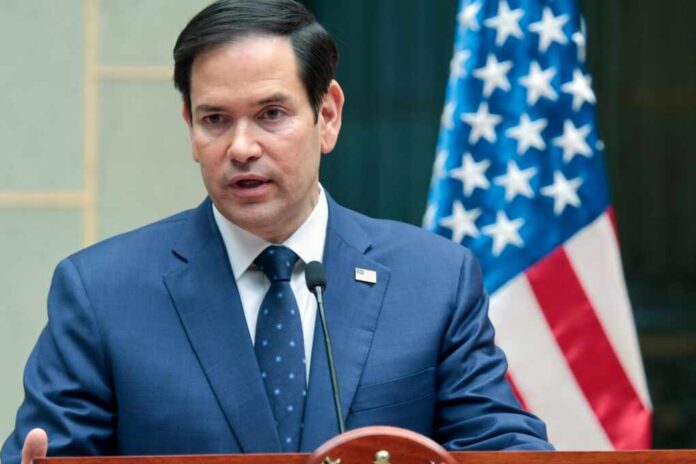
- Secretary of State Marco Rubio publicly condemned China’s actions affecting Panama-flagged vessels, describing them as “bullying” that destabilizes supply chains.
- The Trump administration reiterated U.S. solidarity with Panama on April 28, framing the dispute as part of a hemispheric security approach it called the “Donroe Doctrine.”
- Reports say China detained Panama-flagged vessels in Chinese ports and pressured major carriers to halt operations tied to Panamanian ports, raising uncertainty for shippers.
- The dispute matters beyond symbolism because Panama’s canal and shipping registry sit at the center of global trade flows that directly impact U.S. consumer prices.
What Rubio and the White House Say China Is Doing to Panama
Secretary of State Marco Rubio’s public message has been straightforward: China is using leverage over maritime commerce to pressure a smaller partner. Reports describe Chinese authorities detaining Panama-flagged vessels in Chinese ports and applying pressure that affected shipping companies, including MSC and Maersk, in ways tied to Panamanian port operations. Rubio argued these moves undermine confidence in global trade and destabilize supply chains—language that signals Washington sees more than a routine commercial dispute.
The Trump administration amplified that posture on April 28 with an official statement backing Panama and warning against “predatory influence” in regional maritime trade. The administration’s messaging matters because it places a specific Western Hemisphere partner—rather than a generic “rules-based order”—at the center of U.S. policy. That framing is also politically resonant at home, where many voters view economic coercion by Beijing as a direct threat to American jobs, prices, and national security.
Why Panama’s Canal and Shipping Flag Matter to U.S. Households
Panama is not just another diplomatic talking point because the Panama Canal is a core chokepoint in world shipping, with research citing roughly 5% of global trade transiting the canal. Panama also operates the world’s largest ship registry, and reports tied to this dispute cite Panama-flagged vessels as a key target of Chinese port actions. When shipments slow or reroute, costs typically rise first for logistics networks and then show up in consumer prices.
That economic channel is what makes this story bigger than a bilateral argument. Even if only a subset of ships are delayed, markets price in uncertainty, insurers reassess risk, and shipping schedules get less predictable. It also points to potential short-term impacts like delays and higher freight costs, with longer-term consequences including reduced trust in Chinese ports.
How This Fits Trump’s Second-Term “America First” Trade and Security Push
The dispute is unfolding during a second Trump term in which the administration has pursued an “America First” approach that treats trade as inseparable from strategic competition. Rubio has also spoken in other forums about tariffs and a broader trade “reset,” but the Panama case is more specific: it centers on shipping, port access, and the reliability of maritime routes. For voters burned by inflation and supply shocks earlier in the decade, that specificity makes the threat easier to understand.
The White House’s use of the term “Donroe Doctrine” is notable because it suggests an attempt to formalize hemispheric red lines—especially around maritime trade and infrastructure. It indicates this label is distinctive to the administration’s statement and not widely defined in other public reporting yet, so its operational meaning remains unclear. Still, the practical message is legible: the U.S. is signaling it will not accept interference with key regional partners that sit astride global commerce routes.
What to Watch Next: Enforcement Tools, Corporate Behavior, and Credibility
The near-term test is whether diplomatic pressure changes facts on the ground—specifically, whether vessel detentions end and whether major carriers resume normal operations tied to Panamanian ports. It describes ongoing disruption and does not cite new U.S. sanctions or a negotiated settlement. That leaves the administration with a choice between staying at the level of statements or escalating through targeted economic or diplomatic tools that impose costs.
Marco Rubio Is Standing Up to China Over This Major Trade Partner https://t.co/St4bGFUN1j
— ConservativeLibrarian (@ConserLibrarian) April 29, 2026
For Americans across the political spectrum who believe government too often serves elites first, this is a reminder that global shipping rules are not “someone else’s problem.” If the U.S. cannot defend predictable trade routes and fair treatment of partners in the hemisphere, consumers and small businesses pay for it through higher prices and less stability. If it can, the administration gains credibility that its foreign policy is tied to practical outcomes, not talking points.
Sources:
Marco Rubio Is Standing Up to China Over This Major Trade Partner
Rubio says commitment to Taiwan won’t change amid trade talks with China