

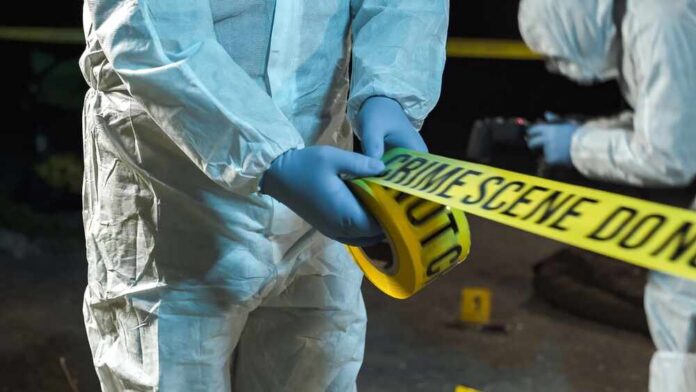
A chilling 911 recording captures a New Jersey husband begging for CPR help moments after his wife was found stabbed to death, while prosecutors still report no suspect and an active homicide investigation.
Story Highlights
- Medical examiner ruled the death a homicide from multiple sharp force injuries.
- Husband’s 911 call asked for CPR guidance after finding his wife unresponsive.
- Prosecutors say the case is open with no suspect named or arrested.
- Community wants answers as police urge tips and patience with the process.
Officials Confirm Homicide, Cause Cited as Multiple Sharp Force Injuries
Morris County authorities confirmed that 35-year-old psychotherapist and new mother Brooke Hanlon died from multiple sharp force injuries. The county medical examiner ruled the manner of death as homicide, and the prosecutor’s office stated the investigation remains active. Officials have not named any suspect or made an arrest. The clear medical findings, paired with a careful public posture, show police are guarding the integrity of the case while they process leads and forensics.
Prosecutors also confirmed the timeline centers on the afternoon of June 6, 2024. First responders were sent to the family’s Chester Township home after a 911 report came in. Authorities have released limited details about evidence recovered at the scene. That restraint is common when investigators work to rule in or out those closest to the victim, map potential entry or exit points, and verify any digital, phone, or vehicle data tied to the time window.
Harrowing Emergency Call Shows Race to Save a Life
Audio released by media captures husband Conor Hanlon telling a dispatcher he found his wife unresponsive and bleeding. The operator gave CPR instructions while he pleaded for help. The urgency and confusion are clear in the recording. Dispatch logs and coverage place the call in the late afternoon, aligning with the official timeline. The call does not answer the central question of who committed the crime, but it anchors the moment police and medics learned of the attack.
Media outlets also aired portions of the 911 audio, which drew intense public attention. That attention has created pressure for quick answers. Investigators, however, must balance the public’s need to know with steps that secure a case that can stand in court. Releasing too much can warn a potential suspect, spur false confessions, or taint witness memory. The narrow releases to date suggest officials are protecting key details while seeking verifiable leads.
No Suspect Named as Investigators Work Leads and Forensics
More than a month after the killing, Morris County prosecutors said no arrests had been made. Detectives often start with the immediate circle, then widen the focus. They check alibis, camera footage, license plate readers, phone records, and neighbors’ reports from the hours before and after the crime. In a suburban setting, they also look for any signs of forced entry, stolen items, or defensive wounds that could refine the timeline and suspect profile.
The lack of a named suspect can frustrate families and neighbors. It also keeps options open while evidence is tested and cross-checked. In cases like this, police avoid tunnel vision. They compare the physical evidence with accounts from anyone who had access to the home. That includes family, friends, service providers, and recent visitors. They also weigh tips from the community. The goal is simple: build a clean, fact-based case that points to the right person the first time.
Public Scrutiny and Media Narratives Meet Investigative Caution
Some coverage and commentary have centered on the husband, in part because he found the victim and made the 911 call. That focus reflects a common media pattern after domestic homicides. Law enforcement, however, must let the physical evidence and verified timelines lead. Statistics and stereotypes cannot replace facts. In this case, prosecutors have kept their statements narrow and only confirmed what they can defend in court filings and lab reports.
🚨NEW 911 CALL RELEASED IN BROOKE HANLON MURDER CASE@BryanLlenas has the latest on the investigation. pic.twitter.com/DP1QOgBegP
— The Will Cain Show (@WillCainShow) July 10, 2026
For readers who value law and order, the stakes are clear. Justice for a young mother requires careful work, not trial by media. Local officers and county investigators need space, good data, and credible tips. That is why officials ask the public to report anything seen or heard near Pottersville Road on June 6. A doorbell camera clip, a car seen idling, or a detail about a delivery time can shift a case like this from mystery to indictment.
What Comes Next: Evidence, Lab Results, and Community Resolve
Next steps likely include lab analysis of any trace evidence, full review of phone and digital records, and re-interviews of key witnesses as new facts emerge. Prosecutors will move only when they can meet the standard for a warrant or an arrest. That is how strong cases get built and how dangerous offenders are removed from our streets. Families deserve closure, and they deserve a verdict that will hold when it is tested.