

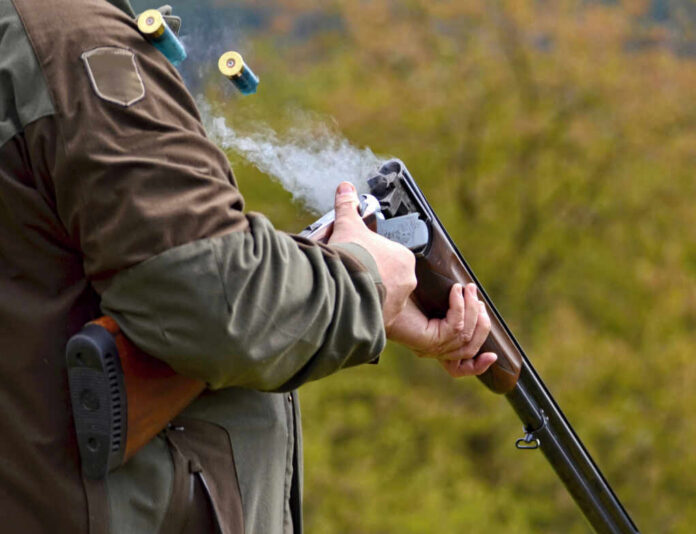
A radical Oregon ballot measure now poised for the November ballot would effectively criminalize hunting, fishing, farming, and even traditional wildlife management under the banner of “animal cruelty reform.”
Story Snapshot
- Oregon’s Initiative Petition 28 would remove legal protections for hunting, fishing, trapping, and farming under state animal‑abuse laws.
- Supporters openly say it would protect animals from slaughter, hunting, fishing, and experimentation by changing who is covered under cruelty statutes.
- Opponents warn nearly every Oregonian connected to food production, outdoor traditions, or animal research could face criminal risk.
- The petition has cleared the raw signature threshold and is now headed toward the November 2026 ballot, pending verification.
What IP28 Really Does To Oregon’s Hunting, Fishing, And Food Supply
Initiative Petition 28, branded by activists as the People for the Elimination of Animal Cruelty Exemptions (PEACE Act), targets the very exemptions that currently keep lawful hunting, fishing, trapping, and farming from being treated as felony animal abuse in Oregon’s criminal code.[1] Under existing law, those activities are expressly carved out so that responsible sportsmen, ranchers, and farmers are not prosecuted every time an animal is humanely harvested or slaughtered for food.[1] IP28’s core move is simple but sweeping: it strikes those exemptions. Once removed, routine field dressing a deer, catching a salmon, or processing cattle for beef would fit squarely inside Oregon’s broad definition of intentionally injuring or killing an animal.[1][4]
The campaign behind IP28 does not hide this intent. On its own website, the “Yes on IP28” committee says the measure would “extend the legal protections that keep our companion animals safe to animals currently on farms, in research labs, and in the wild—which would then protect those animals from slaughter, hunting, fishing, and experimentation.”[4] The group further explains that Oregon already defines animal abuse as the intentional, knowing, or reckless injury of an animal and that IP28 “doesn’t change that definition, it simply changes who is protected under that definition.”[4] In practice, that means the very same conduct that is lawful today—harvesting elk, running a hatchery, butchering livestock—would fall under criminal statutes tomorrow if voters approve the measure.[1][4]
How Far The Ban Reaches: Farms, Research Labs, Tribes, And Everyday Families
Oregon hunting and conservation groups warn that the impact would stretch far beyond weekend recreation. The Oregon Hunters Association explains that by eliminating exemptions, IP28 would make all licensed hunting, sport and commercial fishing, legal trapping, and standard livestock production criminal acts under state law.[1] That includes pest and wildlife control, meaning a landowner dealing with damaging predators or rodents could suddenly be exposed to prosecution for animal abuse.[1] Ducks Unlimited and other sportsmen’s advocates add that the measure would also ensnare science‑based wildlife management, veterinary research, and local food systems that rely on livestock, poultry, and fisheries.[3][4]
Supporters of IP28 go even further by pushing controversial new language around reproduction and animal handling. The campaign states the initiative would “expand protections against animal sexual assault” by classifying both the masturbation and impregnation of animals as sexual assault even when done for agricultural purposes.[4] Under current law, those same actions are only treated as sexual assault if they are done for a human’s sexual gratification, not for breeding or herd management.[4] Critics argue that such wording would place ordinary artificial insemination, breeding programs, and veterinary reproductive work at legal risk, potentially crippling dairy, beef, and other livestock sectors that feed Oregon families.[1][3]
Economic, Cultural, And Constitutional Stakes For Rural America
Media coverage inside Oregon underscores just how disruptive IP28 would be if it passes. Local station KATU reports that the petition “would make it illegal to injure or kill animals and would effectively ban hunting, fishing and the breeding of animals.”[2] The same outlet notes the push is explicitly framed as a petition “to criminalize hunting and fishing,” not simply to crack down on fringe abuse cases.[2] Outdoor and agricultural organizations warn that roughly one million Oregonians who hunt, fish, trap, ranch, or work in agriculture could find themselves one ballot measure away from being treated like criminals for activities that have been legal and heavily regulated for generations.[1][3]
Oregon Initiative Petition 28 has received enough signatures to make it on the November ballot. If approved by voters, it will make it illegal to kill or injure animals, effectively banning hunting and fishing. https://t.co/PWUJXXA0fF
— Praying Medic (@prayingmedic) May 26, 2026
Beyond immediate economic harm, conservatives see a deeper pattern that should concern anyone who values limited government and local traditions. Animal‑rights activists are using the ballot box to impose an extreme ideology that does not merely tighten cruelty laws but seeks to end all intentional killing of animals, from deer in the field to cattle in the feedlot.[2][4] By attacking exemptions instead of the base statute, they turn broad, previously reasonable criminal definitions into weapons against hunting culture, private property rights, and even tribal and treaty‑protected practices.[1][3] For rural communities already squeezed by high fuel costs, heavy regulation, and urban political dominance, IP28 reads less like “reform” and more like an attempt to erase a way of life one initiative at a time.
Sources:
[1] Web – Oregon Petition to Ban Hunting and Fishing Reaches Threshold to Be …
[2] Web – Oregon IP28: Hunting & Fishing Ban Explained
[3] Web – Oregon petition to criminalize hunting, fishing reaches signature …
[4] Web – Yes On IP28 | PEACE Act