The group that built a national brand on fighting the Ku Klux Klan now faces a federal indictment accusing it of secretly paying extremists with donor money.
Quick Take
- DOJ announced an 11-count indictment accusing the Southern Poverty Law Center (SPLC) of wire fraud, false statements to a bank, and money-laundering conspiracy tied to alleged payments to extremist “field sources.”
- Prosecutors allege more than $3 million was funneled from 2014 to 2023 to individuals linked to groups including the KKK and neo-Nazi organizations, allegedly using shell companies and dummy accounts.
- SPLC denies wrongdoing, saying it used paid informants for intelligence-gathering and calling the prosecution political retaliation.
- The case, filed in Montgomery, Alabama, lands in the same jurisdiction where SPLC’s 1987 lawsuit helped bankrupt the United Klans of America.
What the DOJ says happened—and what’s being charged
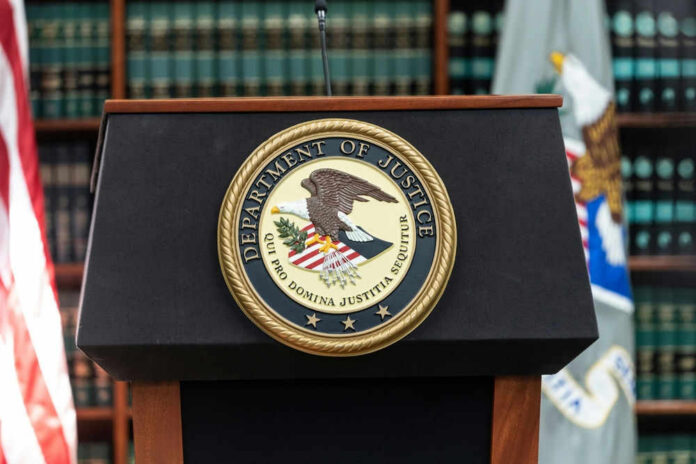
The Department of Justice says a federal grand jury returned an 11-count indictment against the SPLC alleging a long-running scheme that misled donors and financial institutions about where money was going. The charges include six counts of wire fraud, four counts of making false statements to a federally insured bank, and one count of conspiracy to commit money laundering. DOJ and the FBI describe the alleged conduct as hidden payments that enriched extremists while SPLC publicly raised money to oppose them.
The SPLC built its name on FIGHTING the KKK—now, they're accused of PAYING them.
The DOJ alleges that the Southern Poverty Law Center funneled more than $3 MILLION to individuals connected to extremist groups for more than a decade.
The groups include:
Ku Klux Klan
American… pic.twitter.com/2zTfqvveE9— Fox News (@FoxNews) April 22, 2026
Prosecutors allege the SPLC paid at least eight informants tied to violent extremist organizations, including the Ku Klux Klan, United Klans of America, National Alliance, and other white supremacist groups. The indictment narrative, as reported by multiple outlets, also alleges concealment through shell companies and “dummy” bank accounts—facts that matter because fraud and money-laundering cases often rise or fall on intent and whether the defendant tried to disguise transactions from banks, auditors, and donors.
The specific allegations that will shape the trial record
Two payment examples have drawn attention because they imply operational direction, not just passive information gathering. One informant associated with the National Alliance allegedly received more than $1 million over nearly a decade, including money tied to a reported break-in at a rival group’s headquarters and the theft of boxes of documents. Another informant allegedly received about $270,000 over eight years and was accused of helping coordinate transportation to the 2017 “Unite the Right” rally in Charlottesville.
The SPLC’s public response, as described in the research, is blunt: interim CEO Bryan Fair said the organization is “outraged” by what it calls false allegations and argues the government is retaliating politically. The gap between those positions sets up a central factual dispute the court will have to sort out: whether donors were deceived about the nature of the informant program and whether the organization’s internal controls and disclosures met legal standards for a nonprofit handling large volumes of restricted-purpose donations.
Informants can be legitimate—so the key question is disclosure and deception
Several analysts note that paid informants are a normal tool in law enforcement and investigative work, and commentary in the provided research indicates SPLC has referenced versions of this approach for decades. That point complicates the simple “payments equal corruption” narrative. If an informant program was known, the government still must show—count by count—that specific donor solicitations or banking representations were materially false, and that concealment methods (if proven) were designed to deceive rather than protect source identities.
Why this resonates beyond one nonprofit: trust, politics, and institutional credibility
The indictment lands at a time when many voters across the spectrum see powerful institutions as self-protecting and opaque. For conservatives, the story also intersects with long-running grievances about activist groups shaping narratives, targeting opponents as “extremists,” and operating with limited accountability. For liberals, the case could feed fears that prosecutions are being weaponized. Either way, the case underscores a practical principle: when organizations request public trust and donor dollars, transparency and clean governance aren’t optional.
Financial stakes could escalate quickly. It notes that civil forfeiture actions have already been filed and that forfeiture could potentially reach donations if convictions are obtained on certain fraud counts. That prospect matters to donors and to the broader nonprofit sector because it signals that prosecutors may treat donor funds as tainted proceeds if they were raised through alleged misrepresentations. The strongest conclusions will depend on what evidence appears in court filings and testimony.
Sources:
https://joycevance.substack.com/p/investigating-the-good-guys
https://www.lawdork.com/p/splc-indictment-united-klans-of-america
https://www.justice.gov/opa/media/1437146/dl