

Russia’s biggest winner from the Iran war may be the Kremlin—because spiking oil prices can turn a Middle East crisis into fresh cash for Putin’s war machine.
Quick Take
- Data cited by European outlets indicates Russia earned about €7.7 billion from fossil-fuel exports in the first half of March 2026 as oil prices surged after the Iran conflict escalated.
- The Strait of Hormuz disruption tightened global supply, helping Moscow even as it publicly criticized the fighting.
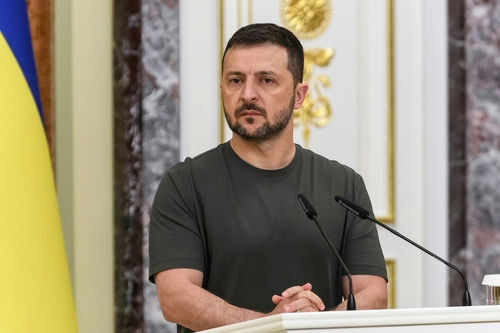
- Zelenskyy argued the windfall strengthens Russia’s ability to keep fighting in Ukraine, though his specific intelligence figure cannot be independently verified from public data.
- The Trump administration temporarily eased some Russian oil sanctions to address supply shortages, a move that can stabilize markets but also reduces pressure on Moscow.
Oil Shock From the Iran War Delivered Russia a Revenue Spike
European reporting, citing energy-tracking analysis, says Russia brought in roughly €7.7 billion from oil, gas, and coal exports from March 1–15, 2026—about €513 million per day and up from February’s average. The jump followed joint U.S.-Israeli strikes on Iran on February 28 and the ensuing conflict, which disrupted shipments through the Strait of Hormuz and helped push Brent crude sharply higher.
That timing matters because Russia’s war budget is tightly linked to energy income. When global prices rise quickly, Moscow can earn more per barrel even if sanctions and battlefield realities constrain its long-term growth. For American households, the same shock shows up as higher gasoline and broader inflation pressure, a reminder that foreign-policy crises often land hardest on working families who have no control over events abroad.
Who Bought the Fuel—and Why Sanctions Still Haven’t Fully Choked Revenue
The same reporting points to India as a major buyer, purchasing about €1.3 billion worth of Russian fossil fuels in that early-March period, while India and China together account for a large share of Russia’s export earnings. Those purchases highlight a stubborn reality: sanctions can constrain shipping, financing, and technology, but they cannot fully erase demand when large economies prioritize cheap, reliable energy over Western diplomatic pressure.
Russia entered 2026 with weakened energy earnings compared with prior years, according to reporting that notes steep year-over-year declines early in the year. That broader slump helps explain why a sudden, war-driven price spike is so consequential: it can offset losses fast. At the same time, any “two-week windfall” should be read as a snapshot, not proof of a permanently repaired Russian economy, because price shocks can reverse and infrastructure damage can limit volumes.
Zelenskyy’s Warning Highlights a Strategic Problem for the West
Ukrainian President Volodymyr Zelenskyy said Ukrainian intelligence assessed Russia made about $10 billion during roughly two weeks of war-related market turmoil and warned that the money could extend the conflict. Publicly available figures cited in European coverage show a similar magnitude in euro terms over a comparable period, but Zelenskyy’s exact number remains an intelligence claim that outside analysts cannot fully verify from open data alone.
Even with that uncertainty, the underlying strategic point is easy to see: when the world’s attention and resources swing to the Middle East, Ukraine risks becoming the “second front” politically, even if it remains the central battlefield for Europe’s security. Analysts quoted in coverage also argue that Washington’s Iran focus can function as a “gift” to Putin by diluting diplomatic bandwidth and enabling commodity-price windfalls in energy and food.
Trump’s Temporary Sanctions Relief Shows the Tradeoff Between Prices and Pressure
Reporting indicates the Trump administration eased Russian oil sanctions for roughly four weeks to address global supply disruptions tied to the Hormuz shutdown. The policy logic is straightforward: preventing a prolonged price surge helps U.S. consumers and limits inflation spillover. The downside is also straightforward: easing restrictions can reduce the financial squeeze on Moscow at precisely the moment higher prices are already padding Russian revenues.
Russia Made Billions of Dollars in 2 Weeks From the Iran War. It Will Not Win Ukraine – https://t.co/PXKtOircIQ
— Prof. Andrew A Latham (@aalatham) April 27, 2026
For voters who feel the federal government routinely manages crises without a clear endgame, this episode feeds a familiar frustration: Washington can end up paying twice—first through higher prices, then through prolonged foreign entanglements—while adversaries exploit the turbulence. The available reporting does not prove Russia “will not win” in Ukraine, but it does show how quickly external shocks can refill Kremlin coffers and complicate U.S. strategy.
Sources:
https://www.businessinsider.com/zelenskyy-russia-earned-billion-iran-war-oil-trade-deficit-2026-3
https://foreignpolicy.com/2026/04/21/russia-oil-prices-putin-trump-iran-war/