

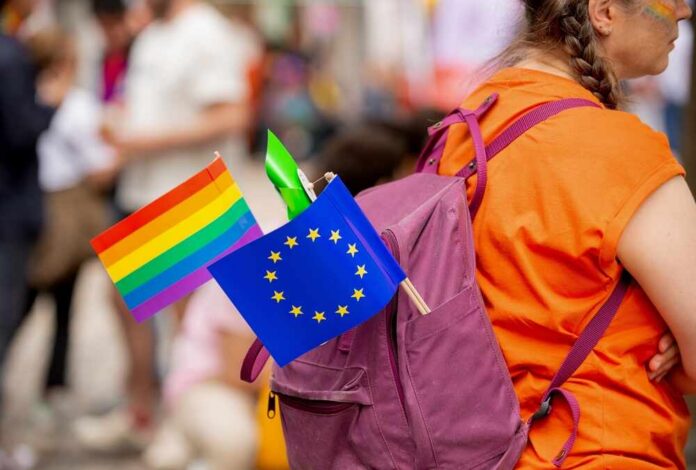
Orthodox leaders in Bulgaria and Romania are drawing a hard line against Pride events, and they say the fight is about Christian teaching, not hate.
Quick Take
- The Bulgarian Holy Synod opposed Sofia Pride 2026 and said its messages clash with Christian moral teaching.
- The bishops said God created humanity as male and female, and that marriage is a man-woman union.
- The Romanian Patriarchate warned that Bucharest Pride could deepen moral confusion in a society already under strain.
- Both churches said they reject violence and defamation, even as they reject Pride’s message.
Bulgarian Bishops Reject Pride Message
The Bulgarian Holy Synod issued a statement opposing Sofia Pride 2026 and said the event promoted ideas that conflict with Christian moral teaching.[2] The bishops said humanity was created by God as male and female, and they tied family life to the sacramental union of a man and a woman.[2] They also said that children and young people are especially vulnerable when such messages are pushed as normal.
The church’s position was not new. The Bulgarian Diocese’s policy statements say homosexuality is unacceptable under Orthodox teaching, and that same-sex marriage is not recognized.[4] A 2012 Holy Synod response to Sofia Pride used even sharper language, calling homosexuality an unnatural lust that harms both the person and society.[3] That long record shows a settled church view, not a one-time political reaction.[4]
Romanian Patriarchate Warns of Social Damage
The Romanian Patriarchate issued its own warning ahead of Bucharest Pride and said the event could intensify confusion of spiritual values.[1] It linked that concern to broader problems such as demographic decline and social instability.[1] The church also said it does not support offensive speech, defamation, or violence, which matters because it draws a line between doctrinal opposition and physical abuse.[1]
That distinction is important in a debate often flattened by the media. The churches are not arguing for violence, and their public statements say so plainly.[1] Instead, they frame Pride as a challenge to marriage, family, and the moral order they believe society depends on.[2][4] For readers who care about faith, family, and stable institutions, that is the core of the dispute.
Old Debate, New Cultural Fight
The 2026 statements fit a broader Orthodox pattern across Eastern Europe. A Church Times report on an earlier Bulgarian statement said the Synod backed a ban on school teaching about non-traditional sexual orientations and described male-female relationships as a centuries-old Christian value.[1] The same basic message appears again here: the churches want public life to reflect traditional teaching, not modern sexual ideology.[2][4]
There is also a clear tension in the record. The churches speak in theological terms, but their critics read the same statements as exclusionary and discriminatory. That split is not likely to go away soon. Still, the churches’ own documents show a consistent defense of marriage, children, and religious freedom, along with a refusal to bless what they see as moral error.[2][4]
Sources:
[1] Web – ‘Incompatible with Christian morality’: Orthodox patriarchs speak out …
[2] Web – The Orthodox Churches of Bulgaria and Romania warn that the …
[3] Web – Bulgarian Orthodox Church issued statement against Sofia Pride 2026
[4] Web – Bulgaria: Denounce Call to Stone Gays – Human Rights Watch