
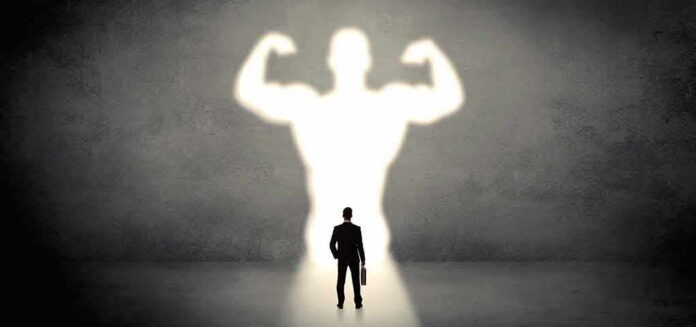
A lab-made “workout patch” in mice built muscle and bone without exercise, raising big questions about where medicine ends and personal effort begins.
Story Highlights
- Researchers implanted a tiny self-contracting muscle graft in mice that boosted muscle and bone.
- Early reports say the patch also improved markers tied to brain, immune, and liver health.
- Scientists call it an “exercise mimetic” because it copies only some effects of training.
- Human results are unknown; real exercise still delivers broader, proven benefits.
Scientists Report Self-Contracting Muscle Grafts That Mimic Training
Researchers created living muscle patches that contract on their own after being implanted under the skin of mice. Reports say the grafts increased whole-body muscle mass and bone density. They also improved lab markers linked to healthy brain, immune, and liver function. The implants pulsed continuously, like a tiny workout engine running around the clock. The findings were described in a news report that summarized the underlying study and its early promise in animals, not people yet.
A separate science outlet and a leading journal’s news site echoed those results. They said the self-flexing grafts thickened natural leg muscles, helped older mice run faster, and improved strength tests. They also described signs of slower age-related muscle decline. Together, these accounts frame the work as a new kind of “exercise mimetic,” meaning it can copy some training biology even when the animal stays still.
What The Patch Seems To Do Inside The Body
The patch is made of living muscle cells that keep firing. Those pulses appear to release signals that ripple through the body. That signaling likely drives gains in muscle and bone, along with changes to metabolism and inflammation. This idea fits a wider pattern seen in mouse studies. Past research shows that certain drugs, peptides, or engineered tissues can switch on parts of the same molecular pathways that exercise triggers. But they usually reach only part of the total exercise effect.
In this case, the mice did not need to move to get the signal. The implant acted like a steady training cue. One report said the grafts grew their own blood supply, which helped them live and keep contracting under the skin. Older and obese mice showed stronger natural muscles, less wasting, and better function after getting the grafts. Those details point to a device that can reshape muscle biology without a treadmill, at least in a lab animal model.
Why This Matters For Health, Freedom, And Personal Responsibility
Many Americans care for aging parents and wounded veterans who cannot do hard workouts. A safe medical tool that restores strength could help people stay independent longer. That lowers costs, reduces trips to the hospital, and protects dignity at home. It also respects choice. A device that supports rehab, not replaces grit, lines up with a culture that prizes self-reliance. People can still train as they are able while using a tool that makes training work better.
At the same time, headlines promising “exercise without effort” can mislead. Exercise builds the heart, lungs, brain, bones, and mood in ways no single patch can match. Even supporters of mimetics say these tools copy only parts of training biology. Reviews in the field warn against calling them full substitutes. The risk is simple: if people stop moving, they lose broad benefits that protect life and liberty over time.
What We Know, What We Do Not, And What Comes Next
These results come from mouse studies. The reports do not claim proven gains in humans. That step needs safety checks, dosing work, and trials with clear goals. The biology of people is more complex than a lab mouse. Many exercise mimetics look strong in animals and then fall short in the clinic. The gap is why careful trials and open reporting matter before the device reaches patients or the market.
If the approach holds up, it could aid seniors losing muscle, patients stuck in bed, and those starting rehab after surgery. It could also support service members healing from injury. For healthy adults, real training remains the gold standard. Walking, lifting, and clean food beat any shortcut. That message protects families from false promises and keeps the focus on proven habits that lower costs and raise quality of life.
Bottom Line For Readers
Scientists built a tiny, pulsing muscle patch that gave mice some exercise-like gains. Reports cite stronger muscles, denser bones, and better health markers without the animals moving. The idea is exciting, and the need is real. But it is not a pass to skip the gym. Treat this as a potential medical assist for those who cannot train, not a license to trade discipline for a device. Watch for human trial data next, not hype.
Sources:
newscientist.com, longevity.technology, pubmed.ncbi.nlm.nih.gov, fightaging.org