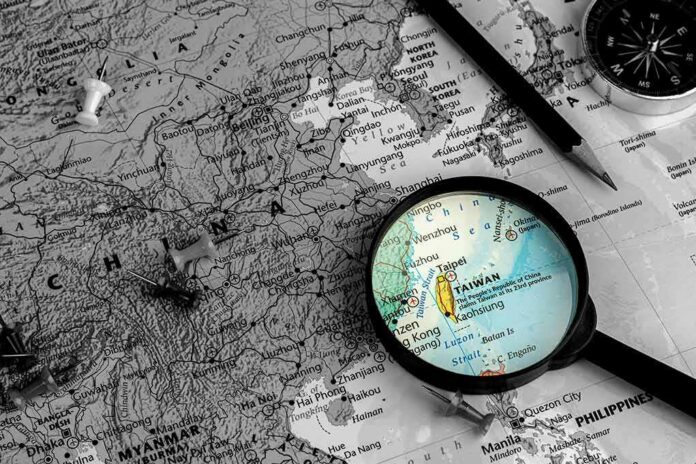
Taiwan says Chinese coast guard ships used radio calls to hassle merchant traffic east of the island, marking a sharper push to claim control of key sea lanes.
Story Snapshot
- Taiwan reported two Chinese coast guard ships patrolling east of the island and monitoring merchant ships.
- Taiwan called the radio calls “harassment” and an illegal power grab that breaks international law.
- China said the patrols are routine, lawful, and under its own jurisdiction, and that they will continue.
- Reports say these patrols have become regular since June, showing a steady pattern of pressure.
Taiwan Reports Patrol And Radio “Harassment”
Taiwan’s coast guard said two Chinese coast guard vessels patrolled east of Taiwan and used radio to contact passing ships. Taiwan sent its own ships to shadow the Chinese vessels and watch their moves. Taiwan said the broadcasts aimed to hassle shipping and expand Chinese control claims in those waters. Taiwan argued the conduct broke international law and threatened regional stability. Taiwan said it holds sovereign rights in its eastern exclusive economic zone and that China has no jurisdiction there.
Taiwan’s monitoring included named cutters and joint tracking across agencies, according to local reporting. Taiwan said it used surveillance and reconnaissance to keep eyes on the Chinese vessels and maintain order for commercial traffic. Taiwan framed the response as measured but firm. The agency said it would continue to protect navigation and defend its rights under sea law. Officials did not list a specific merchant ship that was harmed or delayed during the broadcasts.
China Claims Lawful Jurisdiction And “Routine” Policing
China’s coast guard described the same patrols as normal law enforcement under Chinese and international law. Beijing said its officers were ensuring safe navigation and work at sea. The Chinese Foreign Ministry said China has an exclusive economic zone and a continental shelf east of Taiwan. China called the patrols a legal act to keep order and protect people’s rights and property. China also said these patrols would continue in waters under Chinese jurisdiction.
Chinese statements cast the activity as policing, rescue, and fishery protection, not intimidation. State releases said the coast guard has stepped up patrol and inspection since October, and it intends to intensify presence going forward. This framing positions coast guard actions as lower-risk than naval deployments. That approach is common in what experts call gray-zone tactics, which use pressure short of open conflict to change facts on the water over time.
Pattern Since June Raises Stakes For Trade And Deterrence
Local coverage in Taiwan reported that Chinese coast guard presence east of the island has grown since June, with repeated patrols that now feel routine. This steady pattern suggests a test of boundaries and a bid to set new norms in busy sea lanes. The east coast is Taiwan’s deep-water gateway for energy and trade. Any chill on shipping raises costs and risk. That matters to American consumers, too, because these routes feed supply chains tied to U.S. energy, tech, and retail goods.
For U.S. readers, the concern is clear. Free seas keep prices lower, keep fuel moving, and keep our Navy and Coast Guard focused on real security, not avoidable crises. President Trump has stressed peace through strength and fair trade. Cases like this call for tight coordination with partners, rapid sharing of facts, and visible deterrence. That means lawful presence, support for freedom of navigation, and pressure for transparency on radio logs and ship tracks when disputes arise.
What We Know, What We Do Not
Reports agree on a few key facts. Taiwan says two Chinese coast guard ships patrolled east of Taiwan and used radio to contact other ships, and Taiwan shadowed them. China says the patrols are routine and legal. Taiwan says the calls were harassment. China says they were law enforcement. What is missing are public radio recordings, full transcripts, or named merchant ships that were delayed. That lack of detail leaves the legal claim contested in the public record.
Still, the direction of travel is worrying. Regular patrols can harden into a new normal if left unchallenged. That can chill lawful transit and raise insurance costs. It can also invite broader pressure on small states and on U.S. partners who count on open seas. The United States should support releasing verified audio, timestamps, and coordinates from all sides. Sunlight helps expose gray-zone playbooks and keeps commerce free while avoiding a shooting incident no one wants.
Why This Matters To Conservative Readers
Supply chains, energy cargoes, and American jobs rely on safe seas in the Indo-Pacific. Aggressive “law enforcement” by authoritarian regimes often hides power grabs. That pressures free nations and raises costs for families here at home. A clear line on maritime freedom backs our Constitution’s vision of limited government and strong defense. It also backs allies who stand up to coercion. Facts, not spin, must lead. Transparent records and steady deterrence are the way to keep peace and keep prices down.
Sources:
realcleardefense.com, usnews.com, sg.news.yahoo.com, telegraphindia.com