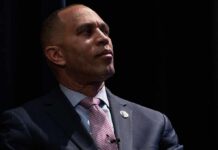
A Democrat’s defamation lawsuit now puts a major newspaper’s anonymous-sourced hit piece and an alleged newsroom conflict under a bright legal spotlight.
Story Snapshot
- Mandela Barnes sued the Milwaukee Journal Sentinel over two July 30 online stories.
- The contested article alleged he used party status to seek sexual encounters, citing three unnamed sources.
- The complaint claims a reporter with a prior intimate relationship worked on early reporting.
- The paper denies that reporter worked on the published story and stands by its review process.
The Lawsuit Targets Two Specific July 30 Articles
Filing in Wisconsin, Mandela Barnes brought two defamation counts tied to Journal Sentinel stories posted on July 30. The complaint challenges “Sources detail concerns about Mandela Barnes’ behavior toward women” and “Mandela Barnes ends Democratic campaign for Wisconsin governor.” Reports summarizing the filing say the suit disputes both the sexual conduct framing and the link to his campaign exit. The full complaint text and exhibits were not provided in the public reporting summarized here, limiting independent review of exact language.
The contested conduct story relied on three unnamed sources. The Journal Sentinel reported that two sources had firsthand knowledge and one previously had a sexual relationship with Barnes. The paper said the sources also shared texts and messages from 2017 that supported their concerns. The story included a specific account tied to a 2018 party event and noted that records checks found no formal complaints when Barnes served in government. The paper reported a 2025 party review found too little detail for action.
The Claimed Reporting Conflict And Retraction Demand
Barnes’s complaint alleges a political reporter had an intermittent intimate relationship with him starting around 2018 and that his campaign disclosed this conflict to the paper on July 30. The filing says the paper acknowledged the conflict, removed the reporter, and told the campaign that others would re-report parts of the story. Barnes’s lawyers later sent an October 28 retraction and correction demand, which the newspaper’s counsel reportedly rejected on November 4.
The Journal Sentinel offers a different account. Executive editor Greg Borowski says the reporter Barnes identifies as conflicted did not report or write the published story. He says the newsroom followed its standard editing and legal review, and that Barnes had a chance to respond before publication. The outlet maintains confidence in the accuracy of its reporting and the process used to publish it.
What The Paper Said About Sources And The Campaign Exit
The outlet’s campaign story connected Barnes’s withdrawal to its ongoing reporting about his alleged behavior with young adult women. The paper framed the exit as occurring “amid reporting” into claims that he used party status to pursue sexual encounters. That association raises a core dispute in the lawsuit about whether the articles implied causation. Without the full text of the complaint and exhibits, the precise passages at issue are not available for independent review here.
The reliance on unnamed sources also sits at the heart of the clash. Anonymous sourcing can help reveal true misconduct. Yet it can also reduce public trust, because readers cannot test credibility for themselves. The United States Supreme Court’s defamation rules for public figures require more than unfairness. Barnes must prove the statements were false and published with actual malice, meaning the paper knew they were false or recklessly ignored the truth.
Why This Fight Matters For Readers Who Value Fair Play
Conservative readers know how anonymous claims, timing, and headlines can shape a narrative before facts are tested. Here, the paper published allegations and a same-day withdrawal story. Barnes says the paper ignored a conflict and refused to correct; the paper says its checks were solid and the conflicted reporter did not work on the final story. The court process can force records, messages, and testimony into the light. That is how truth is sorted from spin.
Mandela Barnes files defamation lawsuit against Milwaukee Journal Sentinel pic.twitter.com/P2VRFC67nr
— Civic Media (@CivicMediaUS) November 11, 2026
Big picture, free speech needs strong protection, and the press must be able to report tough stories. But due process matters too, especially when claims rest on unnamed voices and timing that can tilt public opinion. The legal bar is high for a public figure, by design. If this case proceeds, discovery could show whether editors handled conflicts and sourcing with the care citizens deserve—or whether lines were crossed in a rush to publish.
Sources:
townhall.com, patch.com, wtmj.com, jsonline.com