
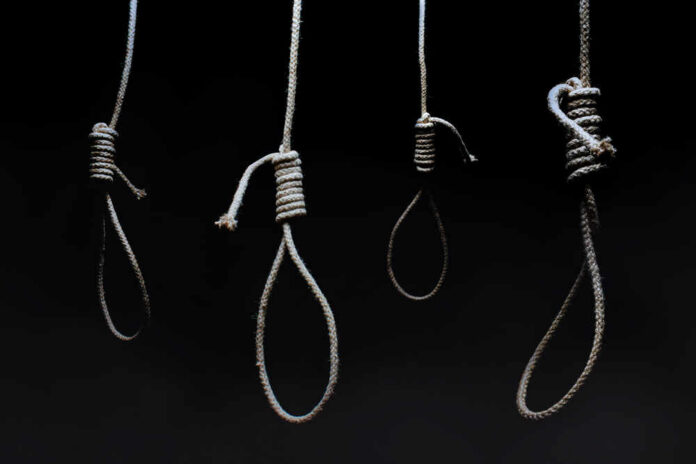
Iran’s brutal regime has executed 18-year-old wrestling star Saleh Mohammadi by public hanging, exposing the savage crackdown on young athletes daring to protest tyranny.
Story Highlights
- Saleh Mohammadi, an international wrestler, sentenced to death under qisas law for allegedly killing a police officer during January 8 protests in Qom.
- Mohammadi retracted forced confessions obtained under torture, but the court rejected his claims and ordered public execution at the crime site.
- Regime denies final sentence, yet execution carried out amid ongoing suppression of anti-government unrest sparked late December 2025.
- Over 30 athletes killed or imprisoned, including teens like Parsa Lorestani sniped during protests, highlighting targeting of sports heroes.
- International calls grow for IOC and FIFA to ban Iran from Olympics and World Cup to halt athlete executions.
Mohammadi’s Death Sentence and Execution
Saleh Mohammadi, an 18-year-old wrestler from Qom who competed internationally in Russia in 2024, faced “death in retribution” under Iran’s qisas law. Authorities accused him of murdering a police officer during anti-regime protests on January 8, 2026. The Norway-based Iran Human Rights reported the court ignored his retracted confession, obtained through torture, and mandated public hanging at the crime scene. State media Mehr News denied a final ruling, but reports confirm the execution proceeded.
Broader Crackdown on Athletes and Protesters
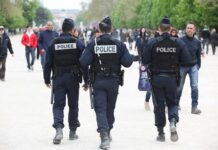
Protests erupted nationwide late December 2025, building on 2022 Mahsa Amini unrest, demanding an end to 47 years of Islamist rule. Security forces, led by the IRGC—a U.S.-designated terror group—killed over 7,000 protesters and injured 11,000. Wrestling, Iran’s national sport, suffered heavily: 15-year-old Parsa Lorestani sniped in Khorramabad on January 8; 20-year-old champion Erfan Kari killed days later. Over 30-40 athletes face execution or imprisonment amid 40,000 protester deaths.
Regime Tactics and International Response
The judiciary labels protesters “terrorist elements” tied to U.S. and Israel, broadcasting 245 forced confessions. Custody reports detail widespread sexual violence. Activists like Masih Alinejad, with 786,000 followers, demand sports bans. The IOC pursues “quiet diplomacy,” but Sport & Rights Alliance urges halting executions starting with boxer Mohammad Javad Vafaei Sani. Imprisoned wrestlers include Alireza Nejati. Experts like Dan Russell of Wrestling for Peace insist neutrality cannot mean indifference to such brutality.
Implications for Global Sports and Regime Legitimacy
Short-term, public executions deter dissent while risking Iran’s sports isolation. Long-term, athlete targeting erodes the regime’s propaganda using wrestling for legitimacy, fueling exile activism. Economic hits from potential Olympic and World Cup bans cut funding. Families endure trauma from torture and hangings; women face denied sports rights. Political hardening anti-regime sentiment persists despite crackdowns. Death tolls vary between 7,000 and 40,000, with uncertainties due to blackouts, but athlete persecution remains consistent across reports.
Sources:
Iran sentences teen athlete to death over alleged protest killing
Kick Iran out of Olympics, World Cup for execution of over 30 athletes, activists demand
Kick Iran out Olympics World Cup execution over 30 athletes activists demand
Iran letter to IOC re Iranian athletes facing political execution
Iran Human Rights article on sentencing