A 158-year-old federal ban on distilling spirits at home is finally getting its day at the Supreme Court, after a federal appeals court said Congress went too far.
Story Highlights
- The Supreme Court will review whether Congress can forbid distilling spirits at home under its taxing power.
- The Fifth Circuit struck down the home-location ban, creating a split with the Sixth Circuit.
- The statute bars distilling in any dwelling or on connected property, with criminal penalties.
- Challengers say tax enforcement cannot erase home liberty; the government cites tax evasion risks.
What The Supreme Court Agreed To Decide
The Supreme Court accepted a case that asks if Congress can ban distilling spirits in homes as a tool to collect taxes. The justices will weigh whether the ban is “necessary and proper” to carry out the taxing power, not whether alcohol is good policy. The Department of Justice sought review after losing in the Fifth Circuit. The dispute centers on whether a location ban is a real tax measure or an overreach into private life.
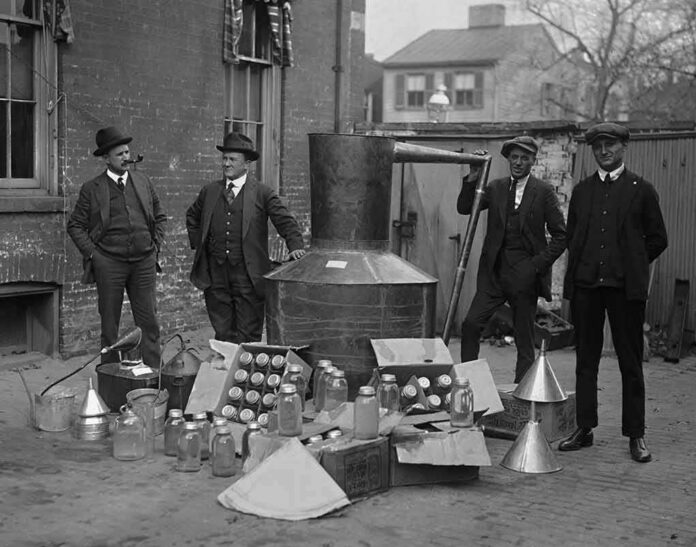
The law at issue is clear. It forbids making spirits “in any dwelling house” or in any shed, yard, or enclosure tied to a home. It also attaches criminal penalties for violations. Those provisions are in the Internal Revenue Code and have been on the books in some form since the nineteenth century. The question is not about safety codes or sales. It is about whether Congress can criminalize home distilling to make tax collection easier.
How A Direct Circuit Split Put This Case On The Fast Track
The Fifth Circuit ruled that Congress exceeded its enumerated powers by imposing a blanket ban on home distilling locations. Soon after, the Sixth Circuit upheld the same restrictions, calling them a lawful means to protect excise revenue. That split means Americans face different rules based on where they live, until the Supreme Court resolves it. The Justice Department pressed the tax-enforcement theory, while challengers stressed limits on federal power.
The Fifth Circuit case involved a Texas hobbyist who said he used a still for fuel alcohol and could not get approval to operate at home under the federal ban. That concrete dispute gave the court a clear vehicle to address the Constitution’s limits. Reporting confirms the plaintiff sought permission and was blocked because of the home-location rule. The case is not a culture-war stunt. It is a focused test of enumerated powers and the reach of federal tax administration.
What Each Side Argues About Tax Power And Liberty
The government argues home stills are easier to hide and harder to inspect, which invites excise-tax evasion. It says the ban is a practical tool that fits within the Necessary and Proper Clause. Supporters of the ban point to the long history of spirits tax fraud after the Civil War and claim Congress learned that home operations frustrate inspections and audits. They say upholding the ban protects revenue without rewriting the Constitution.
The challengers answer that taxing power lets Congress tax and collect taxes, not police private homes with blanket criminal bans. They say targeted tools exist: licensing, marking, bonded premises for commercial plants, or penalties for actual tax evasion. They argue a flat home-location prohibition punishes innocent, noncommercial activity that owes no excise tax at all. They contend that makes the law not “proper,” even if tax collection is a valid goal.
Why This Fight Matters Beyond Whiskey And “Bathtub Gin” Headlines
This case tests how far Washington can reach into homes when it claims to protect revenue. If a tax goal can justify any home ban, little stops Congress from extending similar rules to other ordinary activities. If the Court requires tighter tailoring, Congress must prove real tax need and use narrower tools. That balance affects liberty, federal limits, and how agencies enforce old laws in modern life. The stakes are constitutional, not trendy or niche.
What To Watch As The Case Moves Forward
Watch how the justices frame “necessary” and “proper.” Some may ask if a categorical home ban is broader than needed to collect a spirits tax that applies to beverage alcohol, not fuel or noncommercial use. Others may focus on history and the government’s record of fraud. Also watch whether the Court sees workable, less intrusive options that protect revenue while respecting the line at the front door.
Bottom Line For Constitutional Conservatives
The Supreme Court’s review is a chance to set firm limits on how Congress enforces taxes inside the home. A ruling that insists on narrow, targeted measures would check federal overreach while leaving true tax cheats on the hook. However the Court rules, this case shows why clear constitutional guardrails matter. Home is not the government’s default jurisdiction. The Constitution, not agency habit, should decide where tax enforcement ends and liberty begins.
Sources:
washingtontimes.com, supremecourt.report, courthousenews.com, thetimes-tribune.com, scotusblog.com, congress.gov, apnews.com