
Hidden-camera video shows Minnesota poll workers saying one voter can vouch for eight unregistered people with no photo ID shown at the table.
Story Snapshot
- Undercover clips capture workers saying, “You’re the ID,” while describing vouching rules.
- Minnesota law allows a registered voter to vouch for up to eight people’s residency on Election Day.
- State guidance says voters still provide a driver’s license, state ID number, or Social Security digits for identity checks.
- Officials confirm Minnesota does not require a photo ID to vote if already registered.
What The Video Shows Inside Minneapolis Polling Places
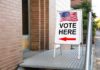
O’Keefe Media Group published undercover footage from Minneapolis polling locations during a primary. Poll workers on camera explain a process called “vouching,” where a registered voter in the same precinct can swear to another person’s address. One worker says, “You’re the ID,” and describes that one voter may vouch for up to eight unregistered people seeking to register and vote that day. The exchange places new national focus on how Minnesota manages same-day registration and proof of residence at the polls.
Minnesota’s own election materials describe this process. The Secretary of State says a registered voter from the same precinct may sign an oath confirming another person’s address. The state caps that at eight voters per voucher in a single election. Vouching is meant to prove where a person lives, so they get the right ballot. The agency frames it as a legal option for people without a current document showing their address on Election Day.
What The Law Requires And Does Not Require
State rules draw a line between identity and residence. Officials say vouching covers address only. A person who registers on Election Day must still provide a Minnesota driver’s license or state ID number, or the last four digits of a Social Security number, for identity matching in records. Fox News, citing state guidance, reported that detail while confirming the eight-person vouch limit exists in law. This is different from a strict photo ID law that many states use at check-in.
Minnesota also confirms that voters already registered at their current address do not need to show identification when they vote. That policy has been in place for years and is stated in official voter materials. For those who must register or update their address at the polls, the state requires proof of residence through documents or a voucher. That design makes voting simple for long-time registrants but raises concerns for many about weak in-person checks.
Safeguards, Weak Points, And Why Conservatives Are Alarmed
State officials say they verify registration data against government databases and use mail verification cards and challenge procedures to catch errors or fraud. They argue this back-end checking protects the system after Election Day. The Secretary of State’s security page cites cross-checks with driver and vehicle records, Social Security, health, and court files as part of routine controls. Supporters of vouching call it a helpful safety valve for eligible voters missing paperwork on Election Day.
CAUGHT INSIDE MINNEAPOLIS POLLING BOOTHS: Minnesota Poll Workers Tell O’Keefe, Dressed in Muslim Garb, & @camhigby, in a Burka, That They Can Vouch for Eight Unregistered Voters Without ID, Allowing Them to Vote in Minnesota Primary Election
Election worker says, “You’re the… pic.twitter.com/9RRHih8kXf
— Q OFFICIAL (@realQOfficial) August 14, 2026
Conservatives see a different risk picture. The on-camera “You’re the ID” line suggests front-end checks can be thin at the table, especially when photo ID is not required for most voters. A single person can vouch for eight neighbors, roommates, or even near-strangers in practice, depending on how judges apply the rule. While the state insists numbers or Social Security digits are still recorded, the lack of a photo ID step and reliance on an oath feel open to abuse for many readers.
What To Watch Next: Policy Fixes And Accountability
Lawmakers who want cleaner rolls and tighter in-person checks will likely push a short list of changes. First, require photo ID for all voters at check-in, including those using same-day registration. Second, narrow vouching to one or two people per voucher, or limit it to specific facilities, to reduce mass vouching. Third, require real-time electronic checks of ID numbers and past voting history before issuing a ballot. These steps would align Minnesota with common-sense expectations at the polls.
Sources:
twitchy.com, youtube.com, x.com, facebook.com, instagram.com, foxnews.com