
Colbert’s Interview Ban: FCC’s Surprising Move
The FCC’s revived equal-time crackdown is forcing liberal TV gatekeepers to play by rules they once ignored—and it’s scrambling a high-stakes Texas Democratic Senate primary.
Quick Take
- FCC Chair Brendan Carr issued January 2026 guidance narrowing when talk shows can claim a “bona fide news” exemption from equal-time requirements.
- CBS moved Stephen Colbert’s interview with Texas Democrat James Talarico off broadcast and onto YouTube after equal-time concerns surfaced.
- ABC’s “The View” faced an FCC investigation after Talarico appeared, raising compliance pressure across networks.
- Jasmine Crockett said the federal government didn’t “shut down” Colbert’s segment, arguing the show could have resolved equal-time by inviting her too.
- The flare-up boosted Talarico’s visibility and fundraising, while exposing how regulatory leverage can shape political coverage.
FCC Guidance Puts Late-Night Politics Back Under the Equal-Time Microscope
FCC Chair Brendan Carr’s January 2026 guidance tightened expectations for when entertainment talk shows qualify for the long-used “bona fide news” exemption to equal-time rules. Carr said the FCC had not been shown evidence that interview segments on late-night or daytime talk shows would qualify, and warned that programming motivated by partisan purposes would not be exempt under longstanding precedent. For voters, the immediate result is simple: networks now see higher legal risk in airing one candidate without offering others comparable access.
The equal-time rule itself is not new; it’s a statutory requirement for broadcast stations to provide “equal opportunities” to legally qualified candidates when one candidate gets airtime. What changed is enforcement posture and how aggressively networks anticipate complaints. Because broadcast licenses run through federal regulators, corporate lawyers tend to err on the side of caution. That caution can narrow what audiences see on major networks, even when the content is framed as entertainment rather than straight news.
Colbert, CBS, and the YouTube Workaround
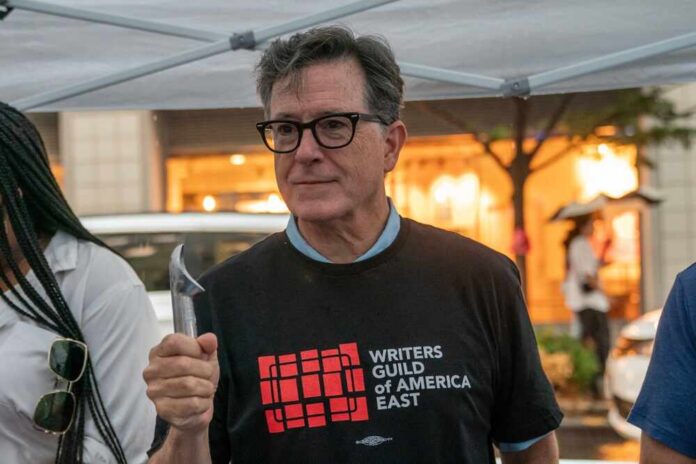
The flashpoint came after Stephen Colbert taped an interview with Texas Democratic Senate candidate James Talarico for “The Late Show.” Colbert told viewers that CBS blocked the segment from airing on broadcast television due to equal-time concerns, and the interview was instead placed on YouTube. CBS later said it did not “prohibit” the interview, describing its role as providing legal guidance. Colbert then criticized CBS’s description on-air, intensifying a public dispute over who made the call and why.
The practical issue for broadcasters is that equal-time obligations attach to broadcast stations, not every corner of the internet. Shifting content to YouTube can reduce equal-time exposure, but it also changes who sees it—older viewers and casual audiences still encounter politics through TV more than online clips. That is why even an “alternative distribution” can function like a soft block for campaign exposure, particularly in the final stretch before an election.
“The View” Investigation Spreads Compliance Pressure Across Networks
The situation expanded when Talarico appeared on ABC’s “The View,” prompting an FCC investigation and adding real-world consequences to Carr’s guidance. Once one network is under scrutiny, other networks tend to react defensively. The Texas Democratic Senate primary—scheduled for March 3, 2026—became a live test case. Instead of casual candidate interviews and viral clips, producers and legal teams had to weigh whether featuring one Democrat would obligate them to provide comparable airtime to rivals Jasmine Crockett and Ahmad Hassan.
This is where the story matters beyond celebrity TV drama. Equal-time enforcement can push political content out of legacy broadcast platforms right when voters are paying attention, leaving campaigns more dependent on paid ads, partisan media, and social platforms. From a limited-government perspective, it also highlights a tension: broadcast rules exist because airwaves are regulated, yet the same regulatory structure can indirectly influence what political speech gets carried to mass audiences, especially when corporate mergers and approvals are in the background.
Crockett’s Response Was Measured, Not a “Meltdown”—But the Stakes Are Real
Some commentary branded Jasmine Crockett’s reaction as a “meltdown,” but the available reporting describes a more restrained response. Crockett said the federal government did not shut down the Colbert segment and argued that Colbert could have “cleared” the issue by having her on as well. She also said she had not received an invitation to appear on the show ahead of the primary. Her comments point to a basic political reality: equal-time rules can become a tool that changes who gets booked—and who gets left out.
Meanwhile, the controversy appeared to help Talarico financially, with reports that he raised $2.5 million in 24 hours after the dispute erupted. FCC Chair Carr, for his part, accused Colbert of running a “hoax” to raise money and get clicks and argued the media had been “lied to.” With limited details available on internal network deliberations, the public record supports only this much: networks changed distribution decisions because they believed equal-time exposure had real compliance consequences, and the political ripple effects landed right in the middle of an election.
Jasmine Crockett MELTS DOWN Over Equal-Time Rule That Could Have Boosted Her Campaign (VIDEO)https://t.co/SB2LY7SWCA pic.twitter.com/z6QN1RCd2q
— " SCRAMBLEPAD " (@Scramblepad) February 21, 2026
Sources:
Colbert “Censorship” Row: CBS, the FCC, and a Texas Democrat’s Interview
Stephen Colbert, CBS, and the FCC: What to Know About the Heated Media Feud