American lives hang in the balance as the US Embassy in Baghdad issues an urgent evacuation warning, exposing how the Trump administration’s entanglement in yet another Middle East conflict has put citizens directly in the crosshairs of Iranian-backed militias—a grim reminder that promises to avoid new wars have crumbled into another deadly regime change quagmire.
Story Snapshot
- US Embassy warns Americans to leave Iraq immediately as Iran-aligned militias plan strikes in central Baghdad within 24-48 hours targeting US citizens and facilities
- Alert follows March 14 drone attack on embassy compound and escalating proxy war triggered by February 28 US-Israeli strikes on Iran
- Threats target diplomatic sites, universities, airports, and hotels across Baghdad and Kurdistan Region, raising security costs and disrupting operations
- Embassy urges evacuation amid missile, drone, and rocket risks as tit-for-tat attacks between US forces and Iranian-backed militias intensify
Embassy Issues Urgent Evacuation Warning for Baghdad
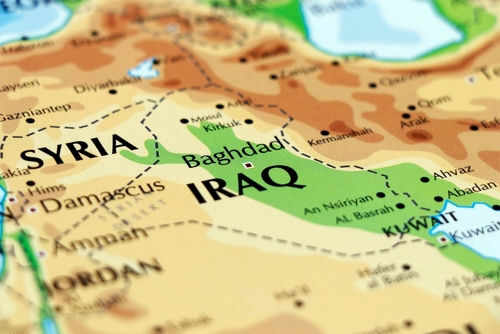
The US Embassy in Baghdad issued a stark security alert on April 2, 2026, urging all American citizens to leave Iraq immediately after receiving intelligence that Iran-aligned armed groups plan to launch strikes in central Baghdad within 24 to 48 hours. The warning, posted on X (formerly Twitter), specifically cited threats to US citizens, diplomatic facilities, universities, infrastructure, and civilian sites across the capital and Kurdistan Region. Embassy officials warned Americans to avoid approaching the embassy or the Erbil consulate, highlighting the imminent danger from missiles, drones, and rockets in what the alert called repeated attacks by “Iran-aligned terrorist militias” on Baghdad’s International Zone.
Escalating Proxy War Follows US Strikes on Iran
This crisis stems directly from the broader Middle East war ignited when US and Israeli forces struck Iran on February 28, 2026, transforming Iraq into a volatile proxy battleground. Following those strikes, US operations killed three members of Iran-backed Kataeb Hezbollah—including a commander—in Baghdad’s Arasat and Nahrawan districts, prompting retaliatory attacks. On March 14, drones struck the US Embassy compound, marking the second such attack since the war began and forcing the embassy to issue multiple security alerts throughout March. Prior warnings on March 17 and March 29 flagged threats to public venues like hotels and US-linked universities in Baghdad, Al-Sulaymaniyah, and Duhok, underscoring the widening scope of militia targeting.
Iranian-Backed Militias Exploit Iraqi Territory
Iran-aligned groups operating under the umbrella of Iraq’s Popular Mobilization Forces (PMF) have embedded themselves within the country’s Shiite-dominated security apparatus, conducting daily drone and rocket attacks on US bases and facilities. Security analysts note these militias, including Kataeb Hezbollah and the Islamic Resistance in Iraq, view their campaign as retaliation for US strikes on their leadership and infrastructure. US back-channel communications to Iraqi officials have demanded action against these threats, warning of strong responses to further attacks. Yet the Iraqi government remains pressured between curbing militia activity and managing its relationship with Iran, which backs these groups as instruments of regional influence and leverage against American presence.
American Citizens and Iraqi Civilians Face Growing Risks
The immediate threat extends beyond diplomats to ordinary US citizens, Iraqi civilians living near targeted sites, and workers at universities, airports, and hotels across Baghdad and the Kurdistan Region. The embassy’s heightened alert level reflects intelligence pointing to strikes focused south of Baghdad, with risks including kidnappings, indiscriminate missile attacks, and disruptions to aviation and energy infrastructure. Iran has separately threatened US-linked energy targets if its own facilities face further strikes, amplifying economic vulnerabilities in the oil sector and driving up insurance and travel costs for Western firms. Non-emergency US personnel departed Iraq earlier, per June 2025 updates, leaving a skeleton diplomatic presence now racing against time to protect remaining Americans amid what analysts describe as an escalating tit-for-tat cycle with no clear offramp.
This latest crisis lays bare a fundamental betrayal of the promises that resonated with millions of Americans who supported a return to prioritizing national interests over endless foreign entanglements. Voters were assured America would stay out of new wars, yet here we are—citizens fleeing Baghdad, embassies under drone fire, and taxpayer resources funneled into another conflict that erodes our security rather than enhancing it. The reality is clear: involvement in regional regime change wars not only breaks campaign pledges but also exposes Americans abroad to direct threats from militias we’ve provoked, all while draining resources that could address crises at home. Constitutional principles demand accountability when executive actions place citizens in harm’s way without clear national defense justification, and this Iraq escalation epitomizes government overreach into conflicts that serve special interests over the American people’s welfare and safety.
Sources:
US urges citizens to leave Iraq after attack on embassy in Baghdad – The Times of Israel
US Embassy warns of threats targeting universities in Iraq – Shafaq News
Iraq Level 4: Do Not Travel – U.S. Embassy in Iraq
Security Alert: U.S. Embassy Baghdad, Iraq – March 17, 2026
Security Alert: U.S. Embassy Baghdad, Iraq – March 14, 2026