
A paid Abdul El-Sayed campaign staffer compared Mike Rogers’ pickup-truck video to a Ku Klux Klan cross burning, igniting backlash and a lesson in reckless political smears.
Story Snapshot
- El-Sayed staffer Mason Pressler likened Rogers’ campaign “aesthetics” to a KKK cross burning on X.
- Pressler’s comment targeted a short Rogers video riding in a vintage truck at the Woodward Dream Cruise.
- Rogers’ campaign blasted the claim as an attack on a Michigan-made Ford truck, not racism.
- Cross burning is a well-known symbol of racist terror, making the analogy inflammatory and misleading.
A Staffer’s Post That Crossed a Line
On August 16, Abdul El-Sayed’s northern Michigan political manager, Mason Pressler, posted on X that “Mike Rogers’ campaign has the aesthetics of a 1960s white flight suburb and a KKK cross burning.” The post responded to a 17-second Rogers clip that showed him riding in a vintage pickup truck during the Woodward Dream Cruise. Pressler’s comment attached the ugliest label in American history to a routine campaign image, with no evidence of racist intent or design behind the visuals.
Pressler aimed his comparison at the video’s look and feel, not a specific policy claim. Coverage tied his remark to that single clip and offered no documents, memos, or expert reviews to support his reading. The result was a viral charge built on a subjective leap, not verified facts. The staffer’s words mattered because he draws a paycheck from a statewide campaign, making it more than a random online insult from an anonymous account.
Rogers Camp Fires Back, Defends Michigan Pride
Mike Rogers’ campaign answered fast. The team said Pressler’s attack treated “driving a Michigan-made Ford truck” like the Ku Klux Klan. The campaign mocked the smear and added “Old Ford trucks” to a running list of things it says Abdul El-Sayed hates. Their pushback kept the focus on Michigan values, car culture, and working people who love the Dream Cruise. That framing made Pressler’s claim look unhinged and out of touch with normal voters.
The clip at issue showed Rogers in a classic pickup during a beloved motor event. Many families line Woodward Avenue to celebrate American car heritage and freedom on the open road. Calling that imagery akin to a cross burning stretches the meaning of a terror symbol past the breaking point. It suggests that plain, blue-collar Americana is suspect. That message alienates people who see trucks and car culture as honest work, not coded hate.
Why The Cross-Burning Analogy Is So Toxic
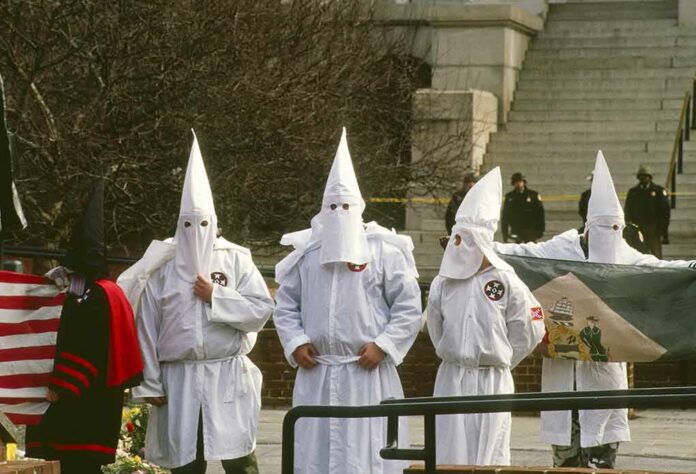
The Anti-Defamation League describes cross burning as a signature of Ku Klux Klan terror, used to frighten and control victims. The Federal Bureau of Investigation has prosecuted cross burnings as hate crimes. Courts and scholars recognize its unique power as a symbol of racial intimidation. That is why tossing it into casual political banter is wrong. It cheapens real evil and smears political rivals with a label tied to violence and fear.
In public debate, accusations should match facts. Here, the available record shows a staffer’s inflammatory opinion, not proof that Rogers’ team meant to echo racist symbols. There is no expert analysis, no internal notes, and no frame-by-frame review that would tie a vintage truck and a parade ride to Klan iconography. Citizens deserve tough debates on taxes, borders, crime, and energy. They do not deserve lazy slurs that drag history’s worst crimes into a car show.
What This Says About Today’s Politics
This episode shows how fast campaign talk can go off the rails. One staffer’s extreme phrasing becomes the story and drowns out real issues. It also shows why many voters feel sneered at by elites who mock normal symbols of American life. Trucks, flags, and small-town pride are not racist. They are part of family life, work, and service. When critics jump to the worst label, they push neighbors apart and poison the well for honest debate.
President Trump’s second-term agenda stresses respect for law, borders, and American workers. That message meets people where they live. It honors faith, family, and community. It does not call them hateful for liking old Fords. If campaigns want trust, they should stop with smear-first tactics. Voters can judge candidates on real plans, not on wild analogies. Step one is simple: argue the facts, skip the slurs, and keep our politics worthy of the country we love.
Sources:
twitchy.com, foxnews.com, adl.org