At a packed Tennessee rally, President Trump joked that he “could say the stupidest things” and the crowd would clap—then pivoted to say his movement stands for common sense.
Story Highlights
- President Trump delivered the quip at an October 10 rally in Clarksville, Tennessee.
- Reports say the crowd laughed and applauded after the remark.
- Trump immediately added that his movement speaks “common sense,” not “stupidest things”.
- Coverage focused on the one-liner more than the broader rally message.
What Trump Said And Where He Said It
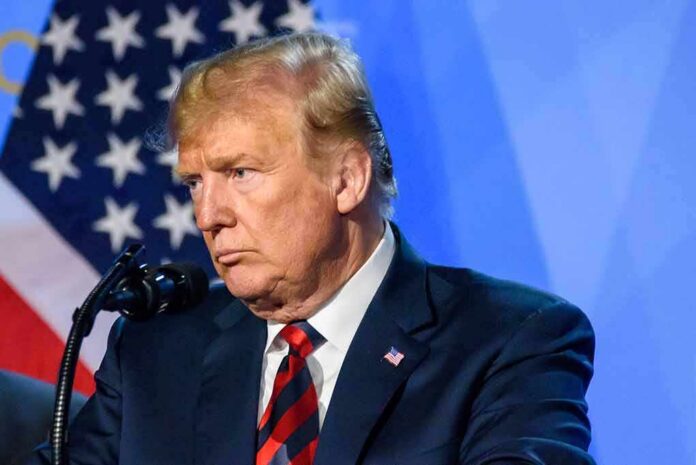
President Trump told supporters in Clarksville, Tennessee, “I could say the stupidest things, and you’d clap,” drawing laughs and applause at F&M Bank Arena on October 10, 2026. He quickly added, “But we don’t say the stupidest things. We say things of common sense”. Multiple outlets reported the same exchange with small wording differences. The core point held across reports: he teased loyal backers, then stressed that his agenda is rooted in practical ideas, not gimmicks.
Journalists on site and in follow-up coverage described the audience reaction as applause and laughter after the line. Another outlet captured a similar version—“you’d still clap”—and noted the light mood in the room. While exact punctuation varied, reports agreed on the moment’s tone. The quip landed, then Trump steered back to message, saying his movement fights for common sense over elite nonsense and failed policies that have hurt families.
How Media Framed The Moment
Several outlets centered headlines on the “stupidest things” line, lifting one sentence from a long rally program. That pattern is common in modern politics. A short clip spreads fast and can shape views of an entire event. Here, Trump’s follow-up—“we say things of common sense”—set his intended meaning in real time, yet the snippet drew most attention. Coverage also noted applause, but it often treated the tease as the story itself rather than rally themes.
For conservative readers, the context matters. The Clarksville crowd came to back policies they see as plain sense: secure borders, safe streets, lower costs, American energy, and respect for the Constitution. Trump’s joke played to the room, but his next sentence tied back to policy. He cast his movement as the answer to years of open borders, globalist drift, and cultural extremes that ignore everyday Americans. Reporters acknowledged the quip; many glossed the policy pivot.
Why The Setting Explains The Reaction
Rallies are built for call-and-response. Supporters expect banter, inside jokes, and quick turns from humor to issues. The Clarksville event fit that mold. The venue was full. The crowd was supportive. When Trump teased them, they laughed and clapped, then he moved to his core message about common sense leadership and accountability. Analysts noted this back-and-forth as typical of campaign energy, not a policy seminar, and that is why short lines can dominate coverage.
That media focus carries a cost. Voters looking for substance often get the viral moment, not the argument on inflation, energy independence, or border control. When presses isolate one-liners, they risk missing the frame voters care about: will Washington stop wasting money, protect families, and defend First and Second Amendment rights? The Clarksville tape shows Trump making the joke, then pointing to common sense—exactly the posture many conservatives want this fall.
Sources:
youtube.com, cnn.com, tennessean.com, independent.co.uk, edition.cnn.com