The United States hit the International Criminal Court’s top judge with sanctions, signaling a hard line to defend American sovereignty and allies.
Story Highlights
- Secretary of State Marco Rubio announced sanctions on the ICC president and a senior lawyer.
- President Trump’s 2025 executive order provides the legal basis for blocking assets and visas.
- The State Department outlined wider steps, including visa bans and more sanctions.
- ICC leaders and United Nations officials criticized the move, calling it harmful to judicial independence.
Rubio Targets ICC Leaders Under Trump Sanctions Order
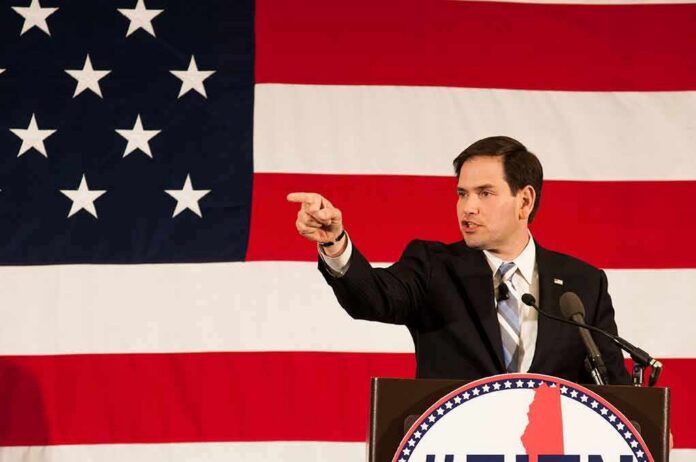
Secretary of State Marco Rubio announced new sanctions on International Criminal Court President Tomoko Akane of Japan and senior trial lawyer Abdoulaye Seye of Senegal. Rubio said the officials helped the court pursue actions against Americans and close partners. The designations add to a rolling list that has grown since last year. News outlets and the Treasury website reflected the new listings and timing. The step marks a clear message that U.S. citizens will not face foreign judges overseas for wartime decisions.
President Trump’s executive order, signed on February 6, 2025, set the framework. It authorizes “tangible and significant consequences,” including blocking property and restricting entry to the United States for people tied to the court’s efforts against protected persons. The order states the International Criminal Court has no jurisdiction over the United States or Israel, which are not parties to the Rome Statute. The text grounds the action in defending American sovereignty and constitutional limits on foreign bodies.
State Department Details Pressure Campaign and Next Steps
Reporting shows the administration is using visa revocations, travel bans, financial sanctions, and diplomacy to isolate the court and its affiliates. A State Department briefing described a wide range of options to constrain the International Criminal Court’s reach. Officials said the aim is to prevent any attempt to arrest or try U.S. personnel or leaders of key allies. Reuters reported the plan as part of a broader strategy to rally partners and raise costs for the court’s leadership.
The policy uses the leverage of the U.S. dollar system and access to American services. That means court officials can face real-world hurdles, from banking to travel. Past rounds already disrupted daily life for several judges, according to prior coverage. Supporters of the approach argue that only strong measures will stop politicized cases aimed at American service members or Israeli leaders. The sanctions are designed to deter future warrants and signal non-recognition of foreign claims on U.S. citizens.
Allies, Critics, and the Sovereignty Clash
The International Criminal Court, its Assembly of States Parties, and several advocacy groups condemned the sanctions. United Nations officials said the measures are “deeply corrosive” to justice and urged a reversal. They argued that targeting judges and prosecutors harms the rule of law and weakens accountability for mass atrocities. These statements reflect a broad bloc of International Criminal Court backers who want the court to retain freedom to investigate without outside pressure.
The administration’s stance remains firm. The White House order underscores that foreign tribunals cannot override U.S. constitutional safeguards or command American arrests. The State Department plan expands that message with travel and financial limits to shield troops, intelligence officers, and elected leaders. While critics warn of diplomatic fallout, supporters see a needed course correction after years of global overreach. The bottom line is simple: American justice belongs in American courts, not in The Hague.
Sources:
pjmedia.com, wsj.com, hrw.org, aljazeera.com, news.un.org