

A deadly tourist flight over Peru’s famed Nazca Lines has killed 13 people and raised hard questions about safety that every traveler should care about.
Story Snapshot
- A small sightseeing plane over the Nazca Lines crashed near Nazca, killing all 13 on board.
- The aircraft was operated by Peruvian company Aerodiana and carried 11 foreign tourists and 2 crew.
- Authorities say the crew reported an emergency before the crash; the cause is still under investigation.
- The tragedy exposes gaps in oversight and safety for high‑risk tourist flights abroad.
Tourist Flight Ends in Fire and Death Near Nazca
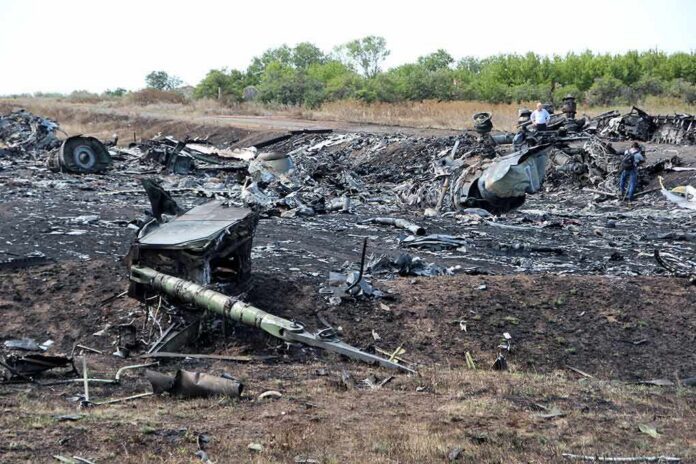
Local authorities in southern Peru say a small tourist plane crashed into a field near the city of Nazca on Saturday, killing all 13 people on board. The plane was on a sightseeing trip over the Nazca Lines, a famous set of ancient drawings carved into the desert that attract visitors from around the world. Police and local officials reported that no one survived, as the crash site was quickly engulfed in flames, making any rescue impossible.
Officials described the victims as 11 foreign tourists and two Peruvian crew members, all traveling to view the Nazca Lines from the air. Reports from Peru’s Ministry of Commerce and Tourism and local police confirm the total of 13 dead. Early information from municipal and police sources said the plane went down in the Pueblo Viejo area, several miles from both Nazca city and the main Nazca Lines site, after what was described as a sightseeing flight that had nearly finished its route.
What We Know About the Plane, Operator, and Passengers
Authorities and multiple outlets state that the aircraft belonged to Aerodiana, a Peruvian company that has offered scenic flights over the Nazca Lines for years. The plane is described as a Cessna Caravan C‑208 or Grand Caravan, a single‑engine aircraft often used for short tourist hops over remote areas. Police and transport officials said the flight carried 11 “foreign tourists” and two crew, including a pilot and co‑pilot or guide, though the exact crew roles vary slightly across reports.
Several reports, citing local mayors and Peru’s foreign trade ministry, say the tourists included seven people from Italy, two from Germany, and two from Spain. That mix underscores how popular these desert flights are with European visitors who want a once‑in‑a‑lifetime view of the Nazca Lines. At the crash site, police major Jorge Andrade told reporters that bodies were being recovered and that officials had identified 11 passengers and two crew among the dead. Consular teams are now working with Peruvian authorities to confirm identities and notify families.
Flight Path, Emergency Call, and Unanswered Safety Questions
Peru’s transport ministry and police say the plane took off from Pisco Airport, in the coastal Ica region, for the short flight toward Nazca. According to police reports cited in local press, the crash happened around 12:55 p.m. local time, shortly after or near the end of the sightseeing overflight. Another official statement says the crew reported an emergency to the Nazca airfield control tower just after 1 p.m., when the aircraft was over the town of Socos, before radio contact was lost. That small timing gap shows the picture is still forming.
Mechanical Failure Suspected After Peru Tourist Plane Crash Kills 13 During Nazca Lines Flight https://t.co/3RZhShVyfh
— The Vagabond News (@thevagabondnews) August 4, 2026
Authorities say the aircraft apparently completed the overflight and was approaching Nazca’s airport when it lost contact with the tower. Witness accounts and police briefings describe the plane crashing into a field and then catching fire, with flames destroying much of the wreckage and leaving first responders unable to reach anyone alive. The Ministry for Trade and Tourism, the civil aviation directorate, and an accident investigation commission have opened an inquiry, but they have not yet released any technical findings about mechanical issues, human error, or weather.
Why This Matters for American Travelers and Safety Abroad
This tragedy in Peru is a stark reminder that not every tourist flight abroad is held to the same safety and transparency standards Americans expect at home. Early coverage has locked in the basic narrative—13 dead, Aerodiana as operator, Pisco as departure point—while the real cause of the crash remains unknown and under investigation. Tourism and aviation officials have focused on condolences and promises to investigate, but there is little public information yet about maintenance records, pilot training, or air‑traffic control procedures for these scenic flights.
For American conservatives who value personal responsibility and clear rules, the Nazca crash raises important questions. When families book air tours overseas, they often trust local authorities and operators without access to the kind of detailed safety data they’d demand from airlines back home. Until Peru’s investigators release solid findings—covering mechanical condition, weather, crew decisions, and regulatory oversight—travelers will have to rely on thin official statements and media summaries. This case shows why strong, transparent standards for tourist aviation worldwide matter for anyone who wants to see the world and make it home safely.
Sources:
youtube.com, apnews.com, nbcnews.com, abcnews.com, bbc.com, nypost.com