
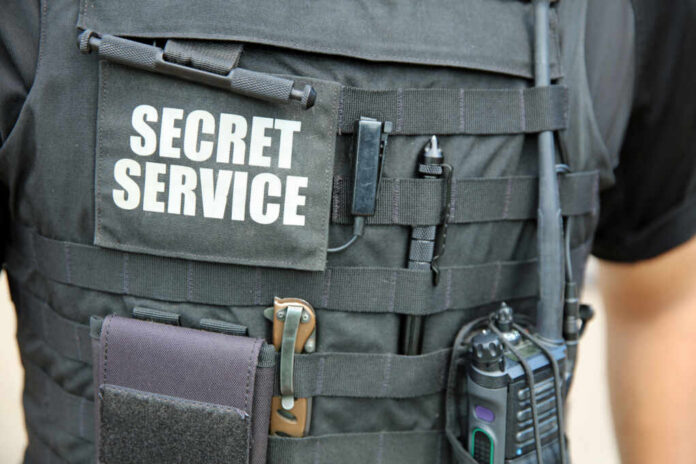
Secret Service failures in Butler left a would-be assassin free to fire on Donald Trump, and the fallout still haunts Washington.
Quick Take
- The FBI identified Thomas Matthew Crooks as the shooter soon after the July 13, 2024, attack in Butler, Pennsylvania.
- Congress and watchdog reports later said the Secret Service made serious mistakes before the shooting.
- Six Secret Service personnel were suspended after the agency’s own review of the failure.
- Recent reporting says the agency still faces pressure over missed warnings, poor coordination, and weak communication.
FBI Identified the Shooter Early
Federal Bureau of Investigation (FBI) officials identified Thomas Matthew Crooks, 20, of Bethel Park, Pennsylvania, as the person involved in the assassination attempt on former President Donald Trump. Reports from the time said Crooks fired from a nearby roof during a rally in Butler, hit Trump, killed one attendee, and wounded others before a countersniper killed him.
The core public record does not support claims that the shooter was still unidentified two years later. The bigger dispute has centered on how the attack happened, why security broke down, and why the warning signs were not acted on sooner. That question has driven hearings, internal reviews, and sharp criticism of the Secret Service’s planning and response.
Congress Blamed Planning and Communication Failures
The Senate Homeland Security and Governmental Affairs Committee said the Secret Service denied requests for more staff and resources, failed to share key threat information, and had serious gaps in coordination with state and local law enforcement. A House task force also said poor preparation and weak communication helped create the conditions that allowed the attack to unfold.
Those findings fit the broad account that emerged after the shooting. The agency’s own later review called the Butler event an operational failure, and the Secret Service suspended six personnel without pay after the incident. Public reporting also said some agents faced suspensions ranging from 10 to 42 days, showing that the agency accepted at least some responsibility.
Why the Accountability Fight Still Matters
For many Americans, Butler became another example of a federal system that reacts only after disaster hits. The reports describe missed warning signs, weak security planning, and poor internal sharing at a rally where the stakes were obvious. That is the kind of government failure that fuels distrust, especially when it involves the protection of a former president and a major presidential candidate.
The latest coverage also shows how the issue has moved beyond the shooting itself and into the larger fight over accountability. One year after the attack, the Secret Service said it had made more than half of its planned reforms, but congressional critics still said the agency had not fully answered basic questions about how the breach happened.
Sources:
joehoft.com, politico.com, spotlightpa.org, taskforce-kelly.house.gov, hsgac.senate.gov, abcnews.com, facebook.com, youtube.com