

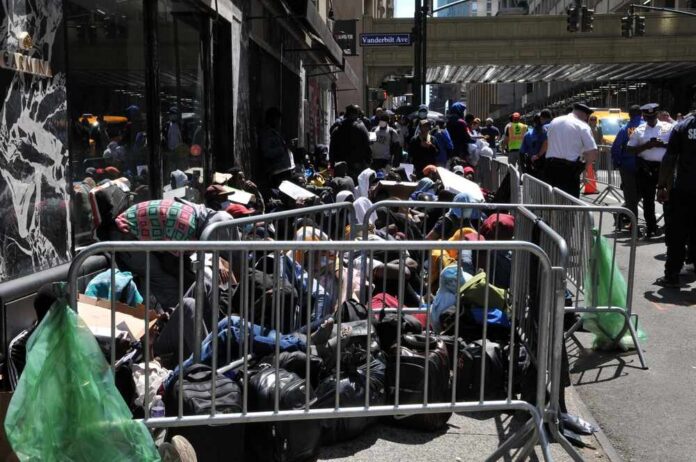
New York City plans to move 110 single men into a converted Sheepshead Bay motel without clear vetting details, igniting safety and transparency fears among families.
Story Highlights
- Neighbors say the Sleep Inn was used as a shelter before, without notice to residents.
- City shelter monitors and the Department of Homeless Services (DHS) inspect facilities, but vetting details for these 110 men remain unclear.
- A developer for a separate Sheepshead Bay shelter says it followed city procedures and notified the community in 2023.
- Past reports show New York City has clustered shelters in lower-income areas and skirted input rules.
Residents Sound Alarm Over Safety Near Schools and Daycares
Local parents in Sheepshead Bay say the city is sending 110 single men to the Sleep Inn on Emmons Avenue with no proof of screening for criminal history. Residents fear violent offenders or sex offenders could be placed near schools and daycares. They demand full vetting standards in writing, plus a community meeting before any move-in. A resident video states the site was used for shelter in the past without telling neighbors, deepening mistrust toward City Hall and agency leaders.
Parents ask basic questions: who is coming, how long they stay, and which rules apply. They want a curfew, on-site security, and clear penalties for violations. They also push for services that reduce street disorder, like ID checks at entry and case management. They argue that the city’s secrecy forces families to carry the risk. They see a pattern where neighborhoods get decisions after the fact, rather than as partners with a real voice.
City Process Cited, But Vetting Details Are Still Missing
The Coalition for the Homeless says its shelter monitors run joint inspections with the Department of Homeless Services to check conditions at adult and family shelters, showing an oversight system exists once sites open. However, residents say that is not the same as vetting who gets placed in the first place. No official city record in this dispute explains the exact background checks, disqualifiers, or supervision plan for these 110 men, leaving the “unvetted” concern unresolved on the facts presented.
In a related Sheepshead Bay case, developer Westhab said it followed every required step and was transparent about plans for a separate 169-family site in 2023, and a city spokesperson said an owner, not the city, altered plans for that property. Those statements show that private owners and contractors shape placements alongside the city. But they do not answer the core question here: what are the screening rules for the 110 men headed to the Sleep Inn, and who enforces them day to day?
Pattern of Opaque Siting Fuels Neighborhood Backlash
Prior reports found New York City often clustered shelters in low-income areas and cut corners on public input, raising fairness and safety concerns in many neighborhoods over many years. That history explains why Sheepshead Bay residents now demand more than assurances. They want data, not slogans. They want a distance map to the nearest schools and daycares, a written security plan, and a contact line that answers. They argue that sunlight and standards protect both residents and shelter clients.
Families also press for a better path: use regular affordable housing, not endless motel conversions. They ask leaders to cap motel stays, prioritize families with children, and spread placements citywide so one area is not overloaded. They want clear consequences for hotels that ignore rules. They say public safety and compassion can work together when the city is honest, shares facts, and respects the people who live and pay taxes in these neighborhoods.
Sources:
hotelscombined.com, citylimits.org, reddit.com, facebook.com, comptroller.nyc.gov