
The Trump administration’s escalating fight with major newsrooms is now colliding with something far more serious than rhetoric: federal regulators and license power.
Story Snapshot
- President Trump and top officials are publicly attacking press coverage of the Iran war, arguing it’s biased and undermines the country.
- Defense Secretary Pete Hegseth has confronted reporters directly, including disputes over coverage of risks around the Strait of Hormuz.
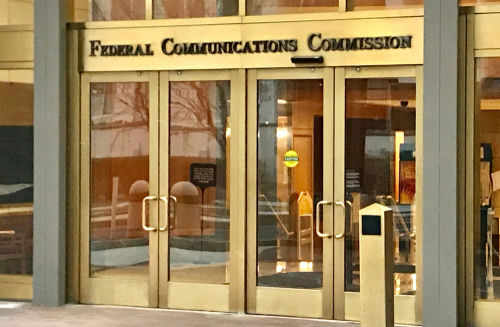
- FCC Chair Brendan Carr has warned broadcasters their licenses could be at risk over what he called “hoaxes” and “distortions,” triggering backlash from free-speech advocates.
- Some Republicans, including Sen. Ron Johnson, have criticized regulatory intimidation as incompatible with constitutional freedoms.
A White House media war moves from words to leverage
President Trump has intensified his long-running criticism of the press as public debate grows sharper over U.S. military operations against Iran. Recent reports describe the administration framing negative coverage as disloyal and damaging to wartime objectives, with Trump using public statements and posts to accuse major outlets of rooting against American success. The new element is not simply tough talk, but the appearance of institutional pressure directed at news organizations that rely on federal regulatory systems.
Defense Secretary Pete Hegseth has taken a particularly visible role, confronting reporters in Pentagon settings and disputing coverage that highlights strategic vulnerabilities. One flashpoint has been reporting tied to the Strait of Hormuz, a critical global shipping corridor where heightened conflict risks can ripple into energy markets and consumer prices. Accounts of these exchanges describe Hegseth criticizing headlines and pushing back forcefully, reinforcing the administration’s view that the media is amplifying setbacks while downplaying what it sees as necessary action.
FCC license talk raises the stakes for press freedom
FCC Chair Brendan Carr’s warnings have drawn the most concern because they touch broadcasting licenses—government permissions required to operate over public airwaves. Reports say Carr cautioned that stations could face license problems if they fail to meet the “public interest” standard, describing certain coverage as “hoaxes” or “distortions.” No widespread license revocations have been reported, but even the suggestion of punishment can create a chilling effect, especially for local affiliates and smaller broadcasters with less legal capacity to fight Washington.
Free-speech groups have condemned the license warnings as extreme, arguing that government should not threaten regulatory punishment over editorial judgments. That criticism matters for conservatives who champion First Amendment protections alongside skepticism of bureaucratic power. A limited-government framework can acknowledge two things at once: many Americans distrust legacy media, and federal agencies still should not become referees of acceptable war narratives. When a regulator implies that “public interest” depends on viewpoint conformity, it invites abuse by any future administration.
War coverage, public opinion, and a familiar blame cycle
Reports linking the media pressure to polling suggest the administration is responding to public dissatisfaction with aspects of the Iran operation. That dynamic is politically predictable: leaders under fire often accuse critics of undermining morale or misrepresenting success. Yet wartime accountability is also a core democratic function, because voters bear the costs—through taxes, casualties, and economic disruption. If coverage of casualties, deployments, or operational risk is treated as disloyalty, citizens lose visibility into decisions made in their name.
GOP tensions show the constitutional dilemma
Republican control of Washington reduces the usual excuse that gridlock makes action impossible, which puts more responsibility on governing choices—especially when constitutional principles are involved. Sen. Ron Johnson’s reported opposition to heavy-handed tactics signals a real tension inside the GOP coalition: defending an elected administration against hostile coverage versus guarding the limits of state power. For voters already convinced “the system” protects elites, the sight of regulators pressuring speech can deepen the belief that Washington tools are being used for politics.
Media Coverage of the War Has One Target: Trump https://t.co/umYkzhtGrx
— Jenny Pooh (@JennyPooh1039) April 15, 2026
The bottom line is that Americans can criticize the media without granting Washington a censor’s toolkit. A press that gets facts wrong should be challenged with evidence, transparency, and competing coverage—not with hints that licenses and mergers could turn on whether reporting helps the government’s message. If the Iran war remains costly or unpopular, public trust will not be repaired by intimidation; it will be shaped by clear outcomes, honest accounting, and a visible respect for constitutional boundaries that protect all sides.
Sources:
https://www.axios.com/2026/03/15/iran-war-trump-media-threats-fcc-hegseth-carr