
A drone attack forced Saudi Arabia to shut a vital oil pipeline, lifting oil prices and raising energy security fears.
Story Highlights
- Saudi Arabia temporarily shut its East-West oil pipeline after drone strikes in Riyadh and Medina regions.
- Saudi officials said the drones launched from Iraq; injuries and fires were reported.
- The pipeline is a key route that bypasses the Strait of Hormuz, making the disruption strategic.
- Analysts warned of higher oil and fuel prices as markets reacted to the shutdown.
Saudi Pipeline Shut After Drone Strikes
Saudi Arabia said it temporarily closed the East-West oil pipeline after several drones hit areas near pumping facilities in the Riyadh and Medina regions. Officials reported fires and some damage, and confirmed injuries among workers on site. The Saudi Ministry of Energy called the move a precaution to protect infrastructure and crews as emergency teams contained fires. The shutdown affected a major internal route that moves crude across the kingdom to the Red Sea for export.
Saudi authorities said the drones originated in Iraq and struck targets along the line. The Foreign Ministry described “several drones” and said the kingdom would coordinate with Iraq on accountability. The attack fits a wider pattern of strikes on energy facilities tied to the regional conflict this year. First responders limited damage at impacted stations, but safety checks required halting flow until conditions were secure and equipment inspections were complete.
Why This Line Matters To Your Wallet
The East-West pipeline lets Saudi Arabia move oil to the Red Sea and avoid the narrow Strait of Hormuz. That bypass matters when tensions rise in the Persian Gulf. Any halt to this line can tighten supply options even if total global output does not drop right away. The line’s role as a pressure valve means disruptions often push crude prices higher, which can flow into gasoline and diesel costs for families and truckers here at home.
Market outlets reported oil jumped after the shutdown headlines, as traders priced in risk to exports if the line stays constrained. Energy watchers highlighted the line’s capacity and its importance during conflict. The network supports shipments from eastern fields to the port of Yanbu on the Red Sea, which helps keep tankers away from choke points. When that route falters, shippers have fewer safe lanes, and that risk premium hits pump prices in the United States soon after.
Facts On Damage, Injuries, And Next Steps
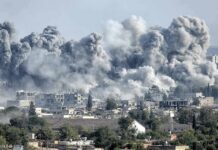
Saudi statements and media reports described fires at or near pumping facilities and confirmed injuries, with medical care provided to affected workers. Officials did not share a full damage tally, but said crews contained fires and started assessments. Images shared by news outlets showed smoke plumes near the route after the strikes, consistent with a physical disruption event. Authorities framed the shutdown as temporary and tied to safety and inspection protocols before restart.
Reporters stressed the pipeline’s strategic place in the region’s energy map. The line is about 1,200 kilometers long and supports a large share of Saudi flows from east to west during crises. Background reporting this year has detailed how repeated attacks on energy sites can ripple through supply chains, cut spare capacity, and force buyers to pay more for security and insurance. That mix can raise costs for American drivers, farmers, and shippers within days of a shock.
What It Means For U.S. Energy Policy Now
This attack is a reminder: America needs reliable, domestic energy and stable allies. When a key pipeline abroad goes offline, we feel it at the pump. A strong response includes expanding American oil and gas production, clearing permits for pipelines at home, and pushing partners to harden facilities. Strategic reserves are not a long-term fix; steady domestic supply and resilient infrastructure are. Stable, affordable energy supports family budgets and keeps the economy strong.
Sources:
feedpress.me, bbc.com, aljazeera.com, middleeasteye.net