

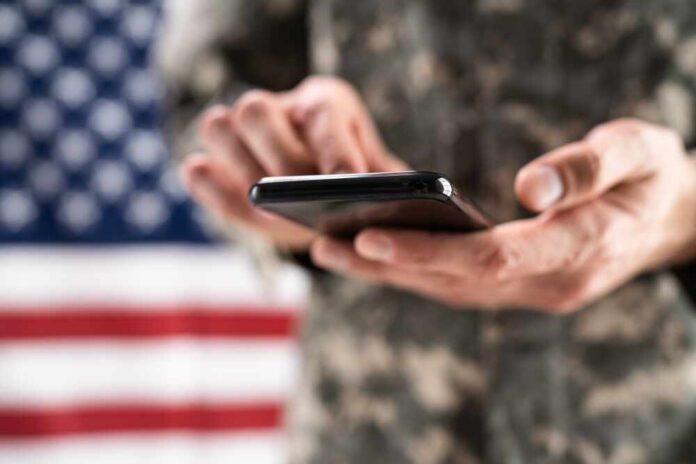
Commercial location data is turning smartphones into a battlefield weakness, and the Pentagon now says U.S. troops overseas may be getting exposed through a digital trail that should never have been for sale.
Quick Take
- U.S. Central Command said it received multiple threat reports about adversaries using commercial location data to target or surveil U.S. personnel in theater.[1][3]
- Lawmakers warned that location data can reveal where troops gather and their “pattern of life,” creating risks from missiles, drones, roadside bombs, and counterintelligence.[1][3]
- The disclosure was described as the first official confirmation that American troops in an active war zone were targeted through commercial location data.[1][3]
- Lawmakers urged tighter controls on government-issued devices, including disabling advertising identifiers and location sharing.[3][4]
Pentagon Disclosure Raises Security Alarm
Reuters reporting shared through lawmakers said U.S. Central Command received multiple reports that adversaries exploited commercial location data to target or surveil U.S. personnel in theater.[1][3] The disclosure matters because it confirms what many Americans already suspect about the data economy: companies collect location signals for profit, then foreign actors can buy or exploit that information for surveillance. For troops deployed in active war zones, that turns an everyday digital convenience into a direct security hazard.[1][4]
Lawmakers said commercial location data can identify where U.S. troops congregate and reveal their routine movement patterns, which can help adversaries plan attacks or conduct counterintelligence.[1][3] Their warning is not abstract. The same type of data that helps advertisers build consumer profiles can also show travel corridors, sleeping locations, and gathering points. In a combat environment, that information can be weaponized quickly, with little warning and potentially deadly consequences for service members.[1][3]
What Lawmakers Want Changed
Federal lawmakers urged the Pentagon to tighten protections on government-issued mobile devices, including disabling advertising identifiers, turning off location-sharing services, and steering personnel away from browsers and platforms that collect large amounts of data.[3] Those recommendations reflect a common-sense conservative concern: federal institutions should not leave troops exposed because commercial tech habits were allowed to override basic operational security. If a device creates a trail that enemies can follow, the government has a duty to reduce that exposure.[3][4]
The reporting also fits a broader pattern that has worried military researchers and privacy advocates for years: location data sold through the commercial ecosystem can be repurposed for surveillance, targeting, and force protection threats.[4] The new disclosure is notable because it moves that concern from theory to confirmed military use in an active war zone.[1][3] That should put pressure on the Pentagon to act faster, especially when the stakes involve troop safety rather than consumer convenience.[1][3]
Why This Matters Beyond One Disclosure
The core problem is not only one app or one phone setting. Defense Department guidance on limiting location data exposure says disabling location services does not stop every form of location inference, since signals can still come from cellular networks, Wi-Fi, Bluetooth, browsers, and other sensors. That means the threat surface is broader than many users realize. A serious response will require layered controls, not a token fix, because adversaries can exploit multiple paths to the same target.
Sudden national security crisis surrounding revelations that foreign adversaries are purchasing commercial smartphone location data to track and target U.S. troops in active combat zones.#NationalSecurity #USMilitary #CyberSecurity #SmartphoneTracking #PentagonUpdate pic.twitter.com/LfKbIQKDrS
— MEAWW News (@meawwcom) May 29, 2026
For readers frustrated by government waste and weak accountability, the lesson is straightforward: national security suffers when institutions rely on convenience-first technology without treating data collection as a battlefield issue.[1][3][4] The Pentagon’s warning is a reminder that privacy is not just a personal preference; in the wrong hands, it becomes an operational vulnerability. If the Defense Department moves slowly on this, the cost will not be measured in policy memos, but in unnecessary risk to the men and women wearing the uniform.[1][3]
Sources:
[1] Web – PENTAGON: Military personnel targeted using location data…
[3] Web – US troops targeted through commercial location data: Pentagon
[4] YouTube – US Troops In War Zones Reportedly Targeted Via Location Tracking