

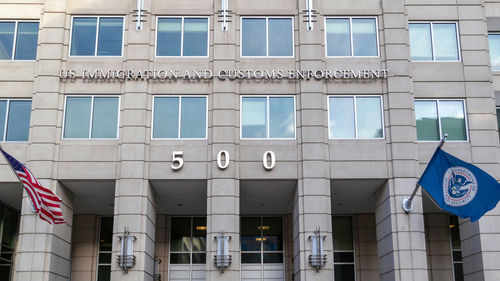
DHS ordered government lawyers to pursue alleged asylum fraud by immigration attorneys, signaling a high-stakes fight over border integrity and the rule of law [1][3].
Story Highlights
- DHS directed Immigration and Customs Enforcement attorneys to build anti-fraud cases targeting falsified asylum and benefits filings [1][3].
- The memo focuses on document fraud statutes that apply to those who knowingly prepare or file falsified immigration applications [3].
- CBS reporting cites a Government Accountability Office review that found relatively few fraud-terminated asylum cases in earlier years, a point critics use to dispute the scale of the problem [2].
- The White House has framed the effort as shutting down abuse of the asylum process and restoring lawful, fair adjudication [4].
DHS Memo Targets Alleged Document Fraud In Asylum Filings
Department of Homeland Security officials instructed attorneys at Immigration and Customs Enforcement to expand administrative fraud cases against those suspected of filing or helping file falsified asylum and immigration benefit applications, according to reporting on the internal directive [1]. Coverage describes the plan as developing anti-fraud policies that leverage existing document fraud statutes, with a particular focus on immigration lawyers and preparers who allegedly “knowingly” submit false narratives or fabricated evidence with filings [3]. The directive reflects mounting pressure to reinforce border integrity through tighter case-level enforcement.
Reporting indicates the enforcement thrust centers on document fraud laws that already exist, rather than creating new criminal categories, aiming to deter the pipeline of coached or invented claims before they reach adjudication [3]. The approach signals a shift from solely screening applicants to scrutinizing intermediaries who may profit from falsified stories. Advocates of the policy argue that stopping bad filings protects legitimate refugees and restores credibility to a strained system facing high volumes and backlogs that burden taxpayers and courts [1].
Administration’s Rationale: Restoring Fairness And Border Control
The administration’s stated position is that illegal migrants with meritless claims have exploited asylum rules to gain entry and remain in the United States, necessitating targeted enforcement to reduce abuse and uphold lawful pathways [4]. Supporters say prosecuting or sanctioning facilitators of fabricated claims can curb cartel-linked coaching and safeguard due process for genuine claimants. The policy aligns with broader commitments to eliminate fraud across federal programs and to ensure immigration benefits are granted only on truthful records and evidence [4].
By focusing on case preparation and submission practices, officials aim to send a deterrent signal to law firms and document preparers tempted to pad applications with falsehoods. Proponents contend that honest counsel will be unaffected because the memo references “knowing” falsification, a legal standard that distinguishes error from intentional deceit [3]. The measure seeks to prevent system gaming that fuels more illegal crossings and encourages would-be migrants to gamble on weak claims, costs borne by communities experiencing strained services and higher enforcement expenses [1][4].
Critics Cite Limited Historical Fraud Findings And Overreach Risks
CBS News reporting points to a Government Accountability Office review noting that fraud-terminated asylum cases totaled dozens in certain past fiscal years, a small share relative to tens of thousands of grants, and critics argue this undercuts claims of rampant fraud [2]. Skeptics warn that aggressive enforcement could chill legitimate representation or sweep in applicants who simply lose their cases for reasons unrelated to deception. They stress that a denial does not equal fraud, and they urge transparent standards and evidence before sanctioning counsel [2].
The factual dispute turns on definitions and case-level proof: whether low historical fraud terminations reflect minimal misconduct or limited detection in an overburdened system. The directive’s emphasis on “knowingly” filing falsified claims will be tested by how investigators document intent and fabrication. Accountability—clear guidance, due process for attorneys, and careful case-building—will determine whether this enforcement tightens the system without harming bona fide refugees or chilling ethical legal advocacy [1][2][3].
Sources:
[1] YouTube – Trump Administration Cracks Down on Asylum Fraud and Fake Immigration …
[2] Web – DHS directs ICE to crackdown on fraudulent asylum claims
[3] YouTube – Trump administration targeting lawyers suspected of asylum fraud
[4] Web – Trump administration directs ICE to go after lawyers for asylum fraud