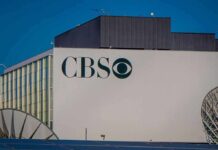
CBS Spikes Colbert Interview After FCC Scare
A federal broadcast rule meant to “balance” politics is now pushing major networks to self-censor—proving how fast Washington regulations can collide with free speech.
Quick Take
- CBS did not air Stephen Colbert’s taped interview with Texas Democratic Senate candidate James Talarico after internal legal concerns about the FCC’s equal-time rule guidance.
- FCC Chairman Brendan Carr issued new guidance on Jan. 21, 2026, urging daytime and late-night shows to offer equal airtime to candidates seeking the same office.
- CBS said it did not “prohibit” the interview; it advised the show about legal risk and equal-time obligations, and “The Late Show” chose to release the segment on YouTube instead.
- The dispute highlights how regulatory uncertainty can chill speech even without a formal government ban.
Why a Late-Night Interview Turned Into a Broadcast Compliance Fight
CBS declined to air a taped “Late Show” interview with Texas state Rep. James Talarico, a Democrat running for U.S. Senate, after the network’s lawyers warned it could trigger equal-time obligations for other candidates. Stephen Colbert told viewers on Feb. 17, 2026 that CBS moved to spike the segment out of fear of the Trump-era FCC’s new guidance. The interview still aired online, not on broadcast television.
The timeline matters. FCC Chairman Brendan Carr issued guidance on Jan. 21, 2026, directing late-night and daytime talk shows to treat candidate bookings as potential equal-time events. On Feb. 16, CBS’s legal team contacted “Late Show” producers, and the next night Colbert addressed the decision during his monologue. By the following afternoon, reporting indicated the online version had drawn millions of views, shifting the audience from broadcast to digital.
What the FCC Equal-Time Rule Actually Does—and Why This Guidance Spooked Networks
The equal-time rule traces back to the Communications Act of 1934 and generally requires broadcasters to provide comparable airtime to competing candidates for the same office. For years, late-night shows operated with a practical workaround: interviews could be treated as “bona fide news” segments, which historically reduced equal-time exposure. Carr’s guidance signaled a tougher posture, and broadcasters—worried about enforcement—appear to be reading the rule conservatively.
From a limited-government perspective, the practical issue is less about Colbert’s politics and more about incentives. When a regulator hints at a crackdown, risk-averse corporate lawyers often choose the safest path: limit political content, or move it off regulated broadcast channels. That can shrink what viewers can see on free, over-the-air TV, while pushing political discussion onto platforms that not every older or rural American uses as easily as traditional television.
CBS vs. Colbert: A Dispute Over “Banned” vs. “Advised”
Colbert publicly framed the situation as CBS canceling or blocking the interview. CBS responded with a narrower claim: the network said it did not prohibit broadcast, but provided legal guidance that airing Talarico could trigger equal-time claims for at least two other candidates, including Rep. Jasmine Crockett. CBS also said it presented options for meeting those obligations, and that “The Late Show” opted to release the interview on YouTube with on-air promotion.
That distinction matters for evaluating the censorship allegation based on the available reporting. The sources support the bottom-line fact that the interview did not air on CBS broadcast. They also support that CBS and Colbert disagree on characterization—whether this was an order or a risk-based decision. What the public still cannot see is CBS’s legal analysis, leaving outside observers unable to fully judge whether the fear of equal-time liability was minimal or substantial.
Political Timing in Texas—and How Broadcast Rules Can Shape Campaigns
The decision landed during early voting ahead of Texas’s March 3 Democratic Senate primary. Talarico’s supporters argue that losing a broadcast slot can limit reach, especially among voters who still consume politics through traditional TV. At the same time, the online release gave Talarico a different kind of exposure and ensured the segment existed publicly. The immediate impact on the race remains uncertain based on the current information.
US Comedian Colbert Says Broadcaster Spiked Democrat Interview Over Trump Fears – Barron's https://t.co/32WXKKCf8P
— Simpleton & Smartypants 🌊 🌊 🌊 (@SimpletonSmart1) February 18, 2026
The broader consequence is the precedent. If late-night shows start avoiding candidate interviews to reduce regulatory risk, voters could get less unscripted access to candidates on broadcast channels, and campaigns may become even more dependent on paid ads, social media algorithms, and donor-funded digital operations. For conservatives who distrust government overreach, this is a familiar pattern: vague or shifting guidance can be enough to change behavior without any courtroom test or formal adjudication.
Sources:
Stephen Colbert Blasts CBS for Nixing James Talarico Interview
Stephen Colbert outs CBS barring interview with Democratic candidate