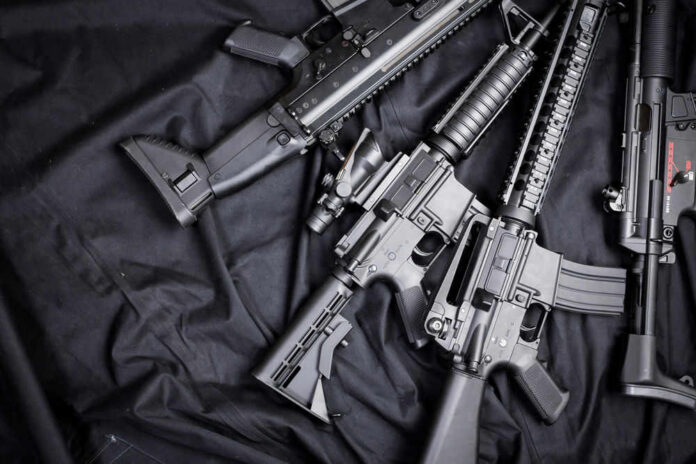
Federal prosecutors have now gone on offense against two state gun laws that target firearms millions of Americans own and use lawfully.
Quick Take
- The Department of Justice filed suits against Virginia and California over new gun restrictions.
- The Virginia case targets an assault weapons ban that covers AR-15-style rifles and large-capacity magazines.
- The California case challenges the state’s Glock ban and handgun roster limits.
- The Justice Department says both laws clash with the Supreme Court’s modern Second Amendment rulings.
Justice Department Takes Aim at Virginia’s Gun Ban
The Justice Department filed suit against Virginia over a new law that bars the sale and purchase of certain semi-automatic rifles and magazines over 15 rounds. The department says the law effectively criminalizes the commercial sale of AR-15-style rifles, which it describes as the most popular rifles in the country. Supporters of the lawsuit say that matters because rights in common use should not be treated like contraband.
The Virginia complaint leans hard on the Supreme Court’s Bruen framework, which asks whether a modern gun rule fits the nation’s historical tradition of firearm regulation. The department argues that Americans own tens of millions of AR-15-style rifles for lawful purposes and that the ban cannot survive that test. A local court has already blocked enforcement of the ban with a temporary injunction, showing the fight is far from over.
California’s Glock Ban Draws a Federal Challenge
In California, the Justice Department sued over a new law that restricts Glock handguns and other firearms with similar firing mechanisms. The lawsuit also seeks to stop enforcement of the state’s handgun roster, which limits what handguns dealers may sell. The federal complaint says California’s rules keep ordinary people from buying arms that remain lawful in much of the country.
The California case also raises a broader constitutional point. The Justice Department says California law enforcement is engaging in a pattern or practice of violating citizens’ Second and Fourteenth Amendment rights by enforcing these restrictions. That is a stronger move than a simple gun-rights challenge. It places state enforcement itself under federal scrutiny, which will likely sharpen the legal and political fight.
Why the Legal Fight Matters Beyond the Courtroom
These lawsuits fit a wider shift in Washington. The Justice Department’s Second Amendment Section has begun using federal power to challenge state and local gun laws, a major break from the old habit of leaving these fights to private plaintiffs. For gun owners, that is a welcome change after years of state officials using broad labels like “assault firearm” to justify new bans. For opponents, it is a direct threat to their regulatory playbook.
DOJ files lawsuit against Virginia over ‘assault weapon’ ban https://t.co/e3Zob376oK
— Washington Examiner (@dcexaminer) July 1, 2026
The counterargument is not weak, but it is narrower than the states claim. Virginia backers point to public safety, and research on the 1994 federal assault weapons ban found lower mass shooting fatalities during that period. Still, the Justice Department’s cases do not turn on slogans. They turn on whether state officials can point to a real historical basis for banning arms that are widely owned and widely used today.
Sources:
reason.com, clearinghouse.net, sos.ca.gov, justice.gov, thetrace.org, firearmslaw.duke.edu, facebook.com