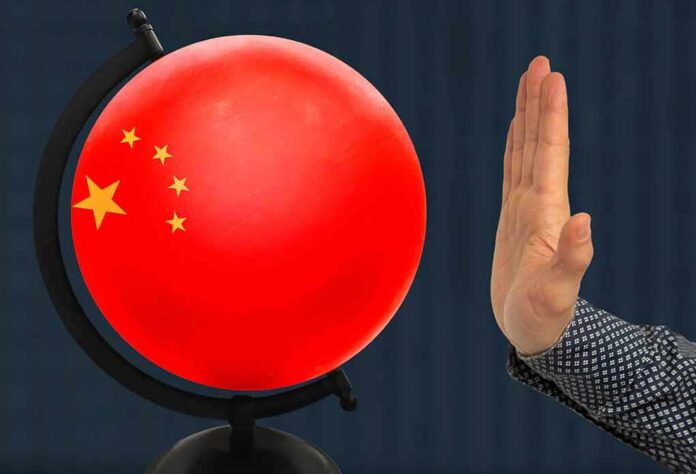
China’s attempt to strong-arm a South Korean art show over Taiwan’s name backfired, spotlighting growing pushback to Beijing’s pressure tactics.
Story Highlights
- China demanded removal of “Taiwan Pavilion” and then quit when it was restored.
- South Korean organizers approved the “Taiwan Pavilion” name and stood by it.
- Taiwan’s exhibit opened as planned; China’s pavilion went dark after withdrawal.
- Seoul’s Foreign Ministry said private actors chose the name, not the government.
What Triggered the Clash in Gwangju
Event organizers in Gwangju, South Korea approved Taiwan’s request to use “Taiwan Pavilion” on August 25. Chinese officials objected, citing their one-China claim, and pressed the Biennale to revert to an institutional label. The Gwangju Biennale Foundation restored “Taiwan Pavilion” after Taiwan’s team protested a switch to “NTMoFA.” China’s delegation then halted installation and withdrew. Taiwan’s exhibit pressed on, while China’s space sat unfinished or empty.
China’s move followed its stated doctrine that there is one China and that Taiwan is part of its territory. Beijing argues this view is tied to a United Nations resolution and insists others honor it. That position explains China’s complaint, but it does not prove that a Korean art show must use China’s preferred wording. The position paper sets out Beijing’s interpretation; it is not a binding rule for foreign cultural organizers.
South Korea’s Line: Culture Names Are Not State Policy
South Korea’s Foreign Ministry said private cultural actors chose the pavilion’s title and that the choice did not change Seoul’s policy on Taiwan. That statement drew a bright line between government diplomacy and art-world labeling. The Biennale also said Taiwan’s National Taiwan Museum of Fine Arts entered as an institution in January and later secured approval to use “Taiwan Pavilion,” backed by documentation from Taiwan’s Ministry of Culture.
Organizers described the flap as an administrative dispute over naming, not censorship of content. Taiwan’s team and allied artists argued the opposite, saying the earlier rename erased Taiwan from posters and clashed with the Biennale’s values of freedom and human rights. After pushback, organizers restored the “Taiwan Pavilion” branding, and the show proceeded under that name while China exited.
Why China’s Withdrawal Hurt Its Own Message
Walking away gave up the stage China already had. The Chinese pavilion lost a major platform to present its artists, while Taiwan’s pavilion gained attention and goodwill by staying open. Reports say this was the first time both sides were set to show in parallel, which could have let each tell its own story. Instead, China’s retreat framed the issue as pressure versus expression, and the public saw the cost of coercion more than the logic of policy.
Regional observers in South Korea compared the mood to past episodes where Beijing’s pressure sparked backlash. During the missile defense dispute a decade ago, many Koreans bristled at economic and cultural retaliation. The Biennale controversy taps that memory. When outside power leans on local choices, the result often hardens local resolve. That pattern showed up here as cultural organizers kept the approved name and let audiences decide with their feet.
What It Means for American Readers
This episode shows how words on a banner can become a test of free expression and national dignity. It also shows that pushback works. When local leaders and institutions refuse to bend, heavy-handed tactics lose power. For Americans who value free speech and self-rule, the lesson is clear: stand firm, set the terms, and keep the doors open. President Trump’s team can point to partners who hold the line when it counts, without firing a shot.
Key Facts the Record Establishes
The Gwangju Biennale officially permitted “Taiwan Pavilion,” and Taiwan proceeded under that name. The Chinese ambassador conveyed objections after the restoration of the name and linked them to the one-China stance. Chinese artists and curators withdrew from the Biennale after the approval stood. South Korea’s government said the naming decision came from private cultural actors and did not signal policy change. These facts ground the core outcome: China left; Taiwan exhibited.
Limits and Open Questions
The public record does not show a binding legal duty on Korean organizers to use China’s preferred label. The record also does not include the full text of any exhibitor contract clause that might have forced a specific name. Beijing’s position paper states its view, but it is not itself proof that the “Taiwan Pavilion” name broke international or South Korean law. Those gaps matter, and they explain why China’s pressure found resistance in Gwangju.
Sources:
theatlantic.com, khan.co.kr, en.yna.co.kr, taipeitimes.com, the-independent.com, onlinelibrary.wiley.com, un.china-mission.gov.cn