

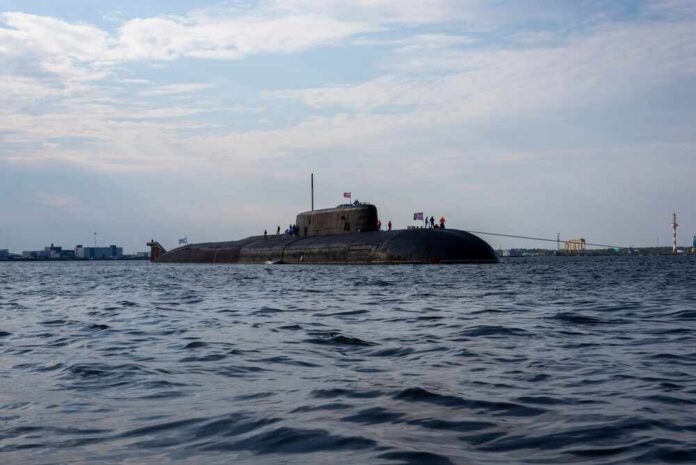
Britain’s vaunted attack-submarine fleet has fallen to zero at sea, just as Russian boats step up patrols in the North Atlantic.
Story Highlights
- All five Astute-class attack submarines are alongside, leaving no British hunter-killer at sea.
- Former Royal Navy leaders call the gap “unacceptable” amid rising Russian activity near the UK.
- Maintenance backlogs, parts shortages, and crew constraints drove the stand-down, years in the making.
- The Ministry of Defence cites alternate assets and points to a recovery framework and AUKUS maintenance milestones.
Zero Attack Submarines Available Raises Immediate Security Questions
Open-source naval trackers and multiple British outlets reported that every Astute-class attack submarine is tied up in port, leaving the United Kingdom with zero hunter-killer boats on patrol. The Daily Telegraph quoted Lord West, a former First Sea Lord, who called the situation “unacceptable,” stressing these boats shield the nation’s ballistic missile submarines. Former commanders warned that Russian naval activity near British waters has climbed, making London look weak to Moscow at the worst time.
Reports add that the 2025 carrier strike group sailed without an attack-submarine escort, a stark departure from standard protection and a wake-up call for NATO partners. The Royal Navy’s attack submarines provide stealth scouting, anti-submarine warfare, and Tomahawk strike options. When none are at sea, the United Kingdom loses quiet eyes and long-range teeth beneath the waves. That gap forces allies to cover more, strains joint plans, and risks inviting probes by rival fleets that test response times and seams.
Years of Maintenance Bottlenecks and Parts Shortages Drive the Crisis
Analysts trace the crunch to a long maintenance logjam, shortfalls in skilled engineers, and constrained dock space at key bases, especially at Faslane and Devonport. One detailed brief notes HMS Artful stayed alongside since 2022, tied up by a troubled ship lift and the priority given to ballistic-missile submarines that carry the nuclear deterrent. Another report says HMS Ambush awaited replacement parts and even donated components to keep sister boats moving, a sign of a thin supply chain.
Navy veterans argue this is not a one-week hiccup but a pattern that built over years of tight capacity and tough trade-offs. Open-source tallies show the attack fleet’s availability sliding across 2025, with total days at sea well below what a great power needs to keep credible undersea coverage. When crews cannot cycle at normal tempo, skills atrophy. When boats queue for docks, problems stack up. When ballistic-missile patrols come first, hunter-killers wait longer—and the fleet’s stealth shield thins.
Government Response Cites Alternate Assets and AUKUS Milestone Work
The Ministry of Defence says it does not discuss submarine movements but insists British waters remain protected by warships, maritime patrol aircraft, and other tools in layered defense. Officials also highlight facility upgrades and a recovery push to unclog the yard pipeline. As part of the AUKUS partnership, HMS Anson went to Australia for scheduled work—the first United Kingdom nuclear submarine maintenance performed there—meant to expand future capacity and resilience across allied bases.
These steps show an active plan, but they do not erase the here-and-now gap under the sea. Alternate assets cannot replace a quiet submarine trailing a rival boat. Long-term upgrades matter, yet deterrence depends on daily readiness, not promises. Even supporters of the recovery framework accept that silence from the Ministry of Defence on specific availability blocks independent checks. That opacity risks public trust and gives critics room to say the crisis is broader than officials admit.
What It Means for America, NATO, and Conservative Policy Priorities
United States naval planners count on the Royal Navy to secure North Atlantic lanes and help screen the nuclear deterrent. When the United Kingdom’s attack subs are grounded, American boats must fill the gap. That costs time, fuel, and risk. It also hands leverage to Moscow under the waves. Conservatives see a lesson here: strong borders, strong budgets, and strong fleets beat slogans. Nations that hollow out sustainment, skills, and energy security pay later—with interest—when threats surge.
Allies need predictable hulls at sea, not press lines. The fix is clear: expand dock capacity, protect maintenance funds from raids, rebuild parts pipelines, and grow skilled crews. Measure progress in days at sea, not memos. If leaders keep hunter-killers ready, carriers sail safer, the nuclear deterrent stays covered, and rivals think twice. If not, the West’s shield springs leaks in the cold Atlantic, where no statement can hide a missing submarine.
Sources:
19fortyfive.com, telegraph.co.uk, facebook.com, reddit.com