
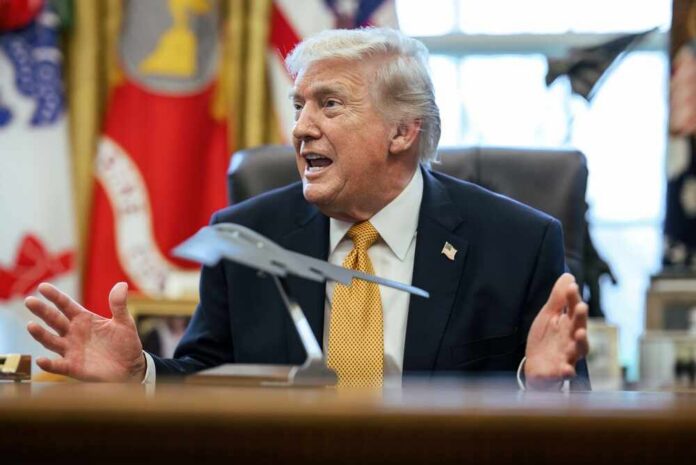
A single joke about a “lovely little poodle” exposed how staged modern politics can feel—and why voters still reward the candidate who refuses to play along.
Quick Take
- Trump used a rally-style speech to explain why he never adopted a White House dog, calling the tradition a vote-getting prop.
- He mocked Biden’s German Shepherds, Major and Commander, after repeated biting incidents involving Secret Service and staff.
- The punchline hinged on Trump imagining himself walking a “lovely little poodle” while inspecting a White House ballroom project.
- Clips spread fast online, turning a niche presidential-pets story into a broader argument about authenticity versus performance.
Trump’s “No White House Dog” Message Wasn’t About Pets
Donald Trump’s latest riff on presidential pets landed because it wasn’t really about dogs. It was about optics—who looks “normal,” who looks “relatable,” and who looks like they’re reading from a consultant’s script. In the speech, Trump argued the White House dog tradition can become staged theater for votes, then pivoted into a very specific contrast: Biden’s dogs didn’t just pose for photos; they allegedly caused real problems for real people.
That framing matters to an audience that’s tired of politics as lifestyle branding. Plenty of presidents have leaned on family imagery to soften their edges, and dogs are the easiest shortcut: fetch a rescue, stage a walk on the South Lawn, let the cameras do the rest. Trump’s point—delivered as comedy—was that he’d rather take the hit for skipping the prop than pretend he’s running a petting zoo to win approval.
The Biden Dog Biting Timeline Became Political Ammunition
Trump didn’t invent the controversy around Biden’s dogs; he exploited a story that already embarrassed the White House. Reports tied Major to biting incidents before he was rehomed in 2021. Commander, also a German Shepherd, drew the heavier attention, with accounts citing two-dozen-plus biting episodes involving Secret Service and staff, with an aggregate figure around 28 incidents mentioned in the coverage. Trump repeated those numbers as a blunt metric: consequences, not cuddles.
The conservative lens here isn’t “dogs are bad,” or even “Biden is uniquely unlucky.” It’s basic competence and duty of care. When government employees face a preventable hazard in their workplace, leaders don’t get to shrug and change the subject. Secret Service agents and staff exist to protect the presidency and keep operations moving, not to become collateral damage in a branding exercise. Trump’s jab worked because it latched onto that common-sense unfairness.
Why the Poodle Joke Worked: It Targeted Media Reflexes
The “lovely little poodle” bit carried a second blade. Trump painted a scene of himself walking a small, manicured dog on White House grounds while doing something decidedly un-cute—inspecting a ballroom project and talking construction. The image is absurd on purpose, and he used that absurdity to predict the media’s reaction: endless analysis, mockery, and moral panic over the symbolism of the breed, the optics, the masculinity, the whole checklist.
That’s the real punchline: Trump claims he could do anything—even adopt the exact kind of dog that screams “photo op”—and the coverage would still treat it as suspicious or performative. Whether you agree with him or not, the critique rings familiar to Americans who feel institutions apply different standards depending on the target. If you’ve ever watched a news cycle turn a normal human habit into a scandal, the poodle becomes shorthand for the whole exhausting ritual.
Comedy as Strategy: The “Attack” Reference and Crowd Psychology
The speech reportedly came soon after Trump referenced a recent “attack,” and he downplayed the tension by leaning into humor. That pattern—using jokes to regain control of the room—has defined his public style for years. A crowd that laughs stays with you; a crowd that’s anxious starts checking out. For voters over 40 who remember when politicians tried to sound like grown-ups, Trump’s act can feel like a throwback to blunt barroom talk, for better or worse.
Comedy also provides a shield. Trump can deliver a sharp critique—Biden’s team chased a wholesome image while staff got bitten—without sounding like he’s reading a prosecutor’s statement. The audience hears a story, not a briefing memo. From a conservative perspective, that matters because the underlying argument aligns with order and responsibility: leaders should manage their households, protect their people, and stop treating government like a set for curated virtue.
The Deeper Question: Are “Relatable” Props Now a Liability?
Presidential pets used to signal stability: the family dog, the kids, the backyard normalcy behind the big office. Trump’s refusal to participate flips the old rule. He suggests the prop itself has become suspicious—an item on a checklist for candidates who need a costume to feel human. Biden’s dog saga then turns into a cautionary tale: the prop can bite back, literally, and the public won’t forget the mismatch between the image and the outcome.
Limited data exists on whether a White House dog measurably moves votes, but politics rarely waits for a spreadsheet. The cultural truth is easier: voters punish fakery faster than they punish eccentricity. Trump’s poodle joke landed because it teased a world where every gesture gets packaged for approval. He offered the opposite: skip the dog, say what you think, accept the backlash, and keep moving.
Trump Hilariously Roasts Biden’s Bite-Happy Dog—Then Imagines Himself Walking a ‘Lovely Little Poodle’https://t.co/Qxo9wFq1kk
— RedState (@RedState) May 3, 2026
The viral clips matter less than what they reveal. A story that could have died as gossip about misbehaving pets turned into a broader argument about competence, authenticity, and media incentives. Trump didn’t just roast Biden’s dogs; he roasted a system that rewards symbolism until symbolism starts drawing blood. The next candidate who trots out a puppy for the cameras might want to remember that.
Sources:
Trump reveals why he never got a dog in White House as he mocks Biden’s ‘vicious’ pooch