By honoring a global jurist over concrete ceasefires, the Nobel Committee signaled that courtroom politics now outranks real-world peace deals.
Story Highlights
- President Trump called the Nobel Peace Prize decision a “stain” on Norway after losing to Navi Pillay.
- The Committee said Pillay won for promoting peace through international law and accountability.
- Trump cited U.S.-brokered efforts, including a Rwanda–Democratic Republic of the Congo agreement signed in Washington.
- Debate centers on what counts as “peace”: deals that stop shooting now, or legal systems that may curb war later.
Nobel Picks Lawfare Over On-the-Ground Settlements
The Norwegian Nobel Committee awarded the 2026 Peace Prize to South African jurist Navi Pillay for advancing peace through international law. The Committee said her work strengthened the rule of law as a nonviolent way to resolve conflicts, and helped ensure prosecution of war crimes and genocide. Supporters hailed a long career in courts and rights bodies. Critics asked why a legal path was favored over deals that halt active fire and move refugees home.
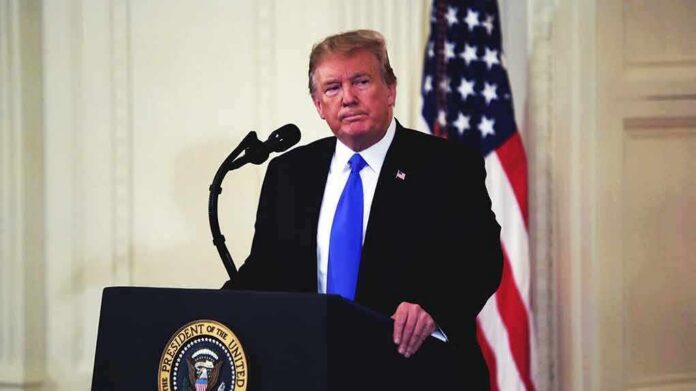
President Trump pushed back hard. Trump told rallygoers the decision leaves a “stain” on Norway and argued his record should have carried the day. He said American-led diplomacy under his watch cooled multiple flashpoints and saved lives. The White House pointed to hands-on engagement, pressure on armed groups, and practical steps that force fighters to stand down. Trump said elites cheer conferences while families in war zones need ceasefires they can trust right now.
Trump Cites Rwanda–Congo Deal as Concrete Proof
Trump’s team highlighted one clear example: leaders of Rwanda and the Democratic Republic of the Congo signed a peace agreement alongside President Trump in Washington in December 2025, with terms for a permanent ceasefire, disarmament of non-state forces, returns for refugees, accountability, and an economic path forward. The public record shows an earlier ministerial pact had faltered as each side accused the other of violations, which raised the stakes for a leader-level push.
The Nobel Committee focused elsewhere. Officials praised Pillay’s decades of work within global courts and commissions. They argued that strong legal systems deter atrocities and offer peaceful ways to handle disputes across borders. Media summaries echoed that frame and described her award as a bet on the long game of rules, trials, and formal accountability rather than headline ceasefires. That split captures a larger debate about what the prize should reward in a dangerous world.
Eight Wars Claim Meets Media Pushback
Several outlets challenged Trump’s broader claim that he “settled eight wars,” saying some items were not formal wars, others remained unresolved, or violence resumed. A fact-check noted that certain agreements in his list were incomplete or struggled in practice, and that at least one regional ceasefire occurred without Trump’s role. The White House response stressed that peace is a process, not a switch, and argued that pressure, shuttling, and deterrence can still save lives even if fighting later flares.
That clash of views is not new for the Nobel Peace Prize. The prize has swung between honoring direct peacemaking and honoring rights advocates who build long-term guardrails. The Nobel institution’s own history shows how choices can spark backlash, including the 1973 award tied to the Vietnam ceasefire, which remains one of its most criticized selections. Today’s dispute repeats the core question: stop the shooting now, or build the legal order that might prevent the next war.
What Matters for Americans Watching Abroad
American families care less about Oslo ceremonies and more about results. When guns go silent, refugees go home, and terror groups disarm, that protects U.S. interests and keeps our troops out of new wars. When legal bodies grow stronger, they can sometimes check rogue actors, but they can also drift into politics, pressure allies, and tie the hands of elected leaders. Voters want peace that is real and seen, not a plaque that flatters global institutions far from the fight.
Navi Pillay winning the Nobel Peace Prize is mostly background at this point. Trump called it a disgrace earlier and that reaction is the part that stuck more than the award itself.
— Citizen Watch News (@Citizenwatchrep) October 11, 2026
The bottom line is simple. The Committee honored the lawyer. The President argued for the dealmaker. Both approaches claim to seek peace, but they deliver on different timelines and with different tools. For citizens who value secure borders, strong deterrence, and fewer foreign entanglements, measurable ceasefires and demobilization feel like wins you can count. The argument will not end here. Next year’s choices will test whether the prize returns to concrete peacemaking—or doubles down on courtroom theory.
Sources:
youtube.com, nobelpeaceprize.org, nobelprize.org, bbc.com, npr.org, cnn.com, nytimes.com, apnews.com, hindustantimes.com, newsweek.com