

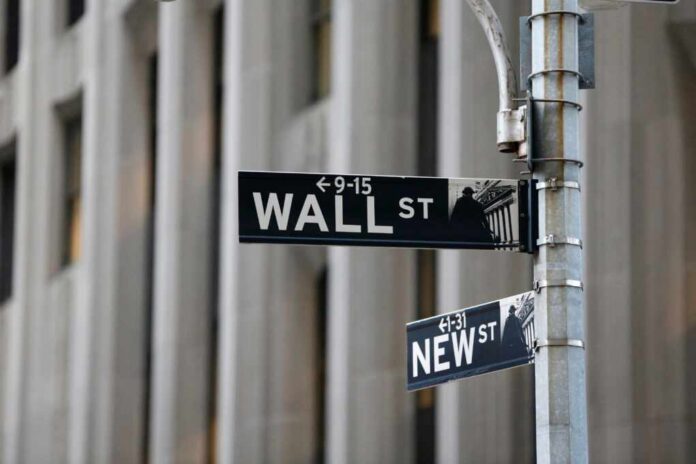
Wall Street suffered its worst single-day plunge since the Iran war ignited, as soaring oil prices threaten to crush American families already battered by inflation and broken promises of no new wars.
Story Snapshot
- U.S. stocks crashed Thursday: S&P 500 down 1.7%, Dow 1%, Nasdaq 2.4%—worst drop since war began 3-4 weeks ago.
- Crude oil surged over 4%, pushing Treasury yields to 4.41% and fueling inflation fears for everyday Americans.
- Iran rejected Trump’s ceasefire proposal, demanding reparations, shattering hopes after initial optimistic talks.
- Markets eye “peak uncertainty” at week four; historical patterns suggest potential recovery, but endless war risks linger.
Market Meltdown Triggers Patriot Alarm
U.S. stocks plummeted on Thursday, March 26, 2026, marking the steepest decline since the war with Iran erupted three to four weeks earlier. The S&P 500 dropped 1.7 percent, the Dow Jones Industrial Average fell 1 percent or 384 points, and the Nasdaq Composite sank 2.4 percent. This positioned markets for a fifth straight losing week, the longest streak in nearly four years. Global indices followed suit, with Germany’s DAX down 1.5 percent and Hong Kong’s Hang Seng off 1.9 percent. Tech giants like Meta, down 8.1 percent, and Alphabet, down 3.3 percent, led the rout amid unrelated lawsuits compounding war jitters.
Iran’s Defiance Dashes De-Escalation Hopes
Iran categorically rejected President Trump’s ceasefire proposal earlier in the week, which followed productive talks that had briefly lifted markets. Tehran countered with its own plan demanding reparations from the U.S., escalating tensions instead of cooling them. President Trump had issued a 48-hour ultimatum for Iran to reopen the Strait of Hormuz, a critical global oil chokepoint, but no progress emerged. Iranian leaders threatened U.S. assets, amplifying fears of prolonged conflict disrupting energy supplies. This flip from optimism to doubt directly fueled Thursday’s market chaos.
Oil Spike Hits American Wallets Hardest
Crude oil prices rocketed more than 4 percent, exacerbating inflation concerns for U.S. households grappling with high energy costs. Treasury yields climbed to 4.41 percent from 3.97 percent pre-war levels, signaling higher borrowing costs that slow economic growth and raise loan rates for families and businesses. Goldman Sachs raised its 2026 Brent crude forecast due to persistent Hormuz risks. Unemployment claims ticked up slightly, though still historically low, while U.S. markets hit year lows. Energy sectors gained, but tech and financials suffered heavy losses.
Investors and everyday Americans bear the brunt, with potential energy shortages looming if the Strait closes fully. Political pressure mounts on Trump in this election year, as MAGA supporters question endless regime-change entanglements that betray promises of America First isolationism.
Expert Views Signal Peak Uncertainty
Analysts identify this moment as “peak uncertainty” around week four of the conflict, aligning with historical patterns where markets bottom out after three weeks and recover by days 34 to 49. Variant Perception notes S&P 500 bottoms typically occur now, potentially heralding a rally if de-escalation follows. S4 Capital’s Martin Sorrell warns markets underprice the war’s impact, while Macquarie’s Adam Lockyer highlights elevated Iran risks. Optimists cite precedents for rebound; pessimists fear sustained oil highs and inflation from prolonged fighting.
President Trump positions the U.S. with military upper hand, seeking swift resolution for stability, but Iran’s energy leverage via Hormuz keeps volatility high. Households face costlier loans and gas, underscoring frustrations with fiscal mismanagement and foreign wars over domestic priorities like border security and family values.
Sources:
Stocks fall and oil prices rise as uncertainty about the war with Iran weighs on Wall Street
Stocks recover from war shock as Wall Street sniffs turning point
Why peak uncertainty about the Iran war signals a stock market rally may be near