
A handful of power players quietly control a risky “food truck mafia” around the National Mall while media and bureaucrats use the chaos to push more crackdowns instead of real fixes.
Story Snapshot
- Most bad-actor food trucks around the National Mall reportedly tie back to just a few multi-truck owners.
- Park Police and city regulators are branding unlicensed vending as “organized crime” even after decriminalization.
- Tourists face real risks: unsanitary food, card overcharges, and unsafe vehicles flagged by federal officers.
- Enforcement sweeps tow dozens of trucks but do little to fix broken permitting rules on federal land.
A Centralized “Food Truck Mafia” Behind Many Problem Trucks
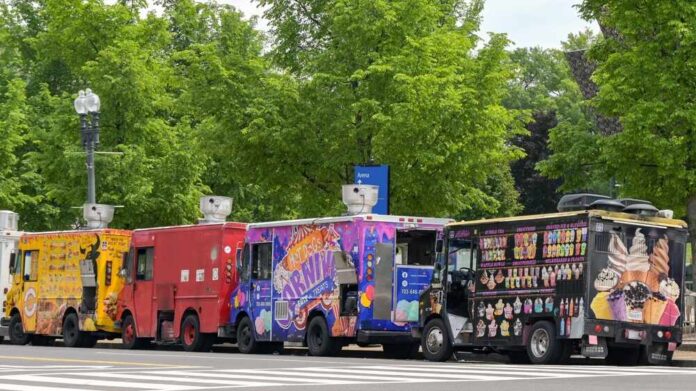
Investigators and local reports say most of the worst food trucks near the National Mall are not random mom-and-pop stands. Former District of Columbia Department of Licensing and Consumer Protection investigator Christopher Johnson says about ninety-five percent of the problem trucks trace back to three or four people who each control ten to fifteen rigs. Trucks linked to these operators often share the same addresses and paperwork, and some are believed to hide behind shell companies to dodge licenses and accountability. This is not loose street vending; it looks more like a tight business network built to skirt the rules while raking in tourist cash.
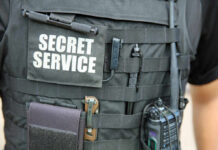
United States Park Police sources describe the majority of illegal food operations around the Mall as organized setups, not confused small vendors who missed a form. Officials also warn that some trucks hire paid “watchers” to sit all day and signal when officers are nearby, at rates around eighty dollars per day. That kind of planning takes money and coordination. It paints a picture of a few powerful operators using many trucks, hired spotters, and creative corporate tricks to dominate the scene and stay one step ahead of law enforcement.
Real Risks: Unsanitary Food, Overcharging, And Unsafe Rigs
United States Park Police and local media have flagged serious safety issues with some of these trucks. Reports cite vermin, cockroaches, foodborne illness concerns, and dangerous cooking equipment in investigations of unlicensed vendors on the Mall. Park Police have warned residents and tourists about credit card overcharges and card swipes without clear prices or receipts, telling people to walk away if a vendor refuses to confirm the bill or print a receipt. These are basic consumer red flags that suggest, at minimum, sloppy practices and, at worst, intentional scams.
Officials also point to the physical state of many suspect trucks. Under District of Columbia rules, licensed trucks must pass safety and fire checks and cannot run with bald tires, cracked windshields, or leaking fluids. Yet Park Police advise the public to avoid trucks showing exactly those signs of neglect. That suggests some rigs never see real inspection. Poor maintenance is not just cosmetic; it raises fire risks and accident dangers on crowded streets packed with families and school groups. For a conservative audience that values personal responsibility and basic standards, this kind of corner-cutting is a direct slap at honest small businesses that follow the rules.
Big Sweeps, Bigger Bureaucracy, And A Broken Permit System
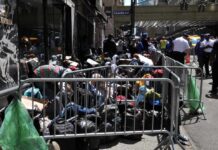
In late May, the District of Columbia Department of Licensing and Consumer Protection led a multi-agency sweep around the National Mall. That operation towed thirty-two trucks, removed five junk vehicles, and issued forty-six citations. Federal and city officials framed it as a consumer protection effort, warning about illness risks, overcharging, and illegally parked trucks. Yet unlicensed vending itself was decriminalized in Washington, D.C. in 2023, turning most of these violations into civil matters instead of crimes. That creates a strange gap where agencies still talk about “mafia” and “organized crime,” while the core offense is now treated like a ticket, not a felony.
The deeper problem is the messy split between federal and local control. Roads where trucks park fall under the District of Columbia, but the sidewalks and grass where customers line up belong to the National Park Service. The D.C. government says it cannot create legal sidewalk spots there, and the National Park Service has been slow to create clear permits for most Mall locations. So vendors who want to follow the rules are effectively trapped. Some pay hundreds of dollars a day in parking fines just to keep serving food in demand from tourists. This is classic government failure: overlapping jurisdictions, unclear rules, and heavy enforcement instead of simple, workable permitting.
Media Spin, Regulatory Power, And What Conservatives Should Watch
Reports across outlets push dramatic “mafia” language, focusing on turf wars, junk vehicles, and fifteen-dollar ice cream cones to grab attention. Yet available public evidence does not show classic mob activity like racketeering or systematic violence tied directly to these truck owners. In fact, Washington, D.C. decriminalized unlicensed vending three years ago, and many food truck stories elsewhere highlight how poor rules punish small entrepreneurs who just want to sell tacos or ice cream legally. The danger is that sensational labels can justify ever-growing enforcement budgets and federal involvement, even when a simpler fix would be to clean up the permit mess and treat honest vendors fairly.
Inside the Food Truck Mafia Wreaking Havoc Around the National Mall
Turf wars. Food and fire hazards. $15 ice-cream cones. How an organized network of unlicensed food trucks took over America's Front Lawn. https://t.co/5DRZx1VJHn— Steve Williams (@HISteveWilliams) June 29, 2026
Conservatives should watch for two main risks here. First, regulatory capture: licensed vendors and tourism groups benefit when unlicensed competition is swept away, so they have strong reasons to lobby for harsher crackdowns. Second, government overreach: federal agents and Park Police now play a central role in a problem created by fuzzy rules and local inaction. If the Trump administration wants to protect both visitors and free enterprise, the answer is not endless tow trucks. It is clear, limited rules on federal land, transparent permits that real small businesses can get, and tough action focused on proven fraud and real health threats, not on vague labels and photo-op raids.
Sources:
[1] Web – Inside Food Truck Mafia Wreaking Havoc Around National Mall…
[2] Web – Inside the Food Truck Mafia Wreaking Havoc Around the National Mall
[4] YouTube – Unlicensed food truck warning on D.C.’s National Mall
[5] Web – Inside the Food Truck Mafia Wreaking Havoc Around the National Mall
[6] Web – DLCP and Partner Agencies Take Action to Protect Consumers on …
[8] Web – DC FOOD TRUCK WARNING Heading to the National Mall? U.S. …
[10] Web – Tourist hot spots in DC plagued by unlicensed food trucks – WTOP News