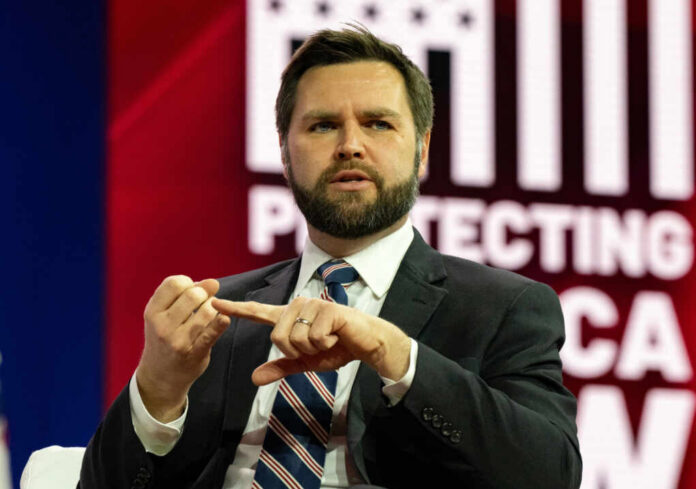
Vice President JD Vance is demanding Iran cut its uranium enrichment capacity while Secretary of State Marco Rubio rejects any Iranian tolls in the Strait of Hormuz, drawing a hard line on nukes and free navigation as talks continue.
Story Highlights
- Vance says any deal requires a “meaningful” cut to Iran’s enrichment capacity.
- Vance ties any sanctions relief to verified removal of enriched uranium stockpiles.
- Rubio insists Iran cannot lawfully charge tolls or fees in the Strait of Hormuz.
- Iranian officials still claim enrichment is a right and resist concessions.
Vance Links Any Deal to Real Cuts in Iran’s Nuclear Program
United States Vice President JD Vance said any agreement to end the conflict must include a “meaningful” reduction in Iran’s uranium enrichment capacity, not vague promises later. He asked why Iran needs 60 percent enriched fuel if it does not seek a bomb, underscoring the risk of high-grade material. His comments set a clear test: Tehran must show visible, measurable cuts, not just words or delayed steps that are hard to verify.
Vance also tied any sanctions relief to verified actions that remove Iran’s stockpile of enriched uranium. He said relief would follow only if inspectors can confirm that material is eliminated and Iran accepts checks that prevent weaponization. That approach keeps pressure on Tehran while offering a path to relief if it takes real steps. It aims to avoid past traps where Iran gained cash up front before delivering lasting nuclear limits.
Rubio Draws a Red Line on Hormuz: No Tolls, No Fees, Free Passage
Secretary of State Marco Rubio told Gulf allies that the United States backs “free, unconditional, and unrestricted navigation” in the Strait of Hormuz. He said no tolls, fees, or attempts to assert control are acceptable. His stance aligns with international navigation rules that protect transit passage in key straits. By stating this plainly, Rubio signaled that Washington will not let Iran convert a global trade chokepoint into a cash register or leverage point against shippers.
Rubio repeated this message across the region as allies weighed reported deal terms and shipping risks. He warned that allowing any toll in Hormuz would invite the same in other waterways, spreading chaos and higher costs across global trade. His public push aimed to close loopholes that could mask tolls as “service fees.” It also reassured energy markets that the United States understands how fragile supply routes shape fuel prices at home.
Tehran’s Pushback and the Stakes for Energy and Security
Iranian officials told reporters they would make no nuclear concessions and called enrichment a national right. They even threatened to keep Hormuz closed until Washington met all Iranian conditions. These claims clash with the United States position and the basic rules of sea transit. They also raise the risk of higher energy prices and insurance costs if ships face threats, delays, or quasi-fees that act like tolls in practice.
This standoff matters for American families and businesses. Energy costs ripple into food, shipping, and home budgets. President Trump’s team is pressing for firm nuclear limits and free navigation to prevent new shocks. Vance’s demand for concrete nuclear cuts and Rubio’s ban on Hormuz tolls both aim to protect U.S. security and wallets. The message to Tehran is simple: reduce enrichment in verifiable ways and keep global lanes free, or face continued pressure.
Why “Meaningful” Nuclear Cuts Beat Paper Promises
Past deals often hinged on complex timelines and hard-to-check pledges. Vance’s standard focuses on what can be seen and measured now. Visible cuts to enrichment machines and verified removal of enriched stockpiles are harder to fake or reverse. Tying any sanctions relief to those facts puts the burden on Tehran to act first. That framework supports deterrence without endless wars, while guarding against a cash-for-promises trap that burned the West before.
Bottom Line for Conservatives
The administration is drawing firm lines that match core American interests. No nuclear brinkmanship. No shakedowns at a vital strait. Real verification before any relief. Iran’s refusal to concede on enrichment shows why toughness and clarity matter. If Tehran wants relief, it must step back from high enrichment and stop using Hormuz as leverage. This approach defends the economy, backs allies, and avoids rewarding bad behavior that threatens our security and prosperity.