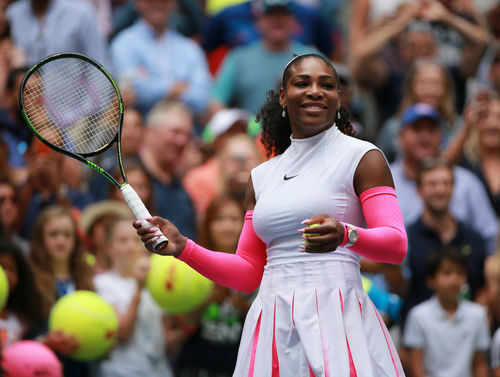
A tennis legend’s long-awaited comeback is finally materializing, and the media spin around Serena Williams’ return is a case study in how hype often races ahead of hard facts.
Story Snapshot
- Serena Williams is now officially eligible to return to professional tennis after entering the sport’s drug-testing pool and completing reinstatement requirements.
- Sports outlets report she has requested wild cards for grass-court doubles events, fueling speculation of a full comeback at age 44.
- Despite breathless headlines, formal tournament entries and match schedules remain unconfirmed, underscoring the gap between eligibility and reality.
- This media pattern mirrors broader trends where narrative and clickbait outrun verified information, a problem conservatives see across news coverage.
Eligibility Restored, But No Official Match Yet
Sports reporting confirms that Serena Williams, now forty-four, has cleared a crucial procedural hurdle for a comeback by reentering tennis’s formal anti-doping framework and regaining competition eligibility.[1] According to coverage of the International Tennis Integrity Agency’s records, she was listed on the reinstatement page as eligible to compete starting February twenty-second, six months after registering for the testing pool.[1] That step is mandatory for any former player wishing to return, and it triggered intense speculation across networks and social media.
The same reporting, however, stresses that eligibility is not the same as an actual return to competition.[1] Journalists noted that officials and insiders still did not know when, where, or even whether she would step on court again in an official match.[1] That means headlines framing a “confirmed” comeback overstate what the documented record shows so far. The hard fact is clear: her name is back in the system, but tournament acceptance lists and main-draw placements have yet to fully catch up.
Grass-Court Wild Cards And Doubles-First Strategy
Commentary on a Tennis Channel segment describes the next likely chapter: a targeted, lower-risk return built around doubles on faster grass courts, not a full-bore singles push out of the gate.[2] The analyst explains that he has been told Serena requested wild cards for multiple events after the clay-court season, specifically highlighting Queen’s Club in the United Kingdom and a tournament in Berlin.[2] Crucially, those reported requests focus on doubles, allowing her to test fitness and timing without immediately carrying the full physical load of singles.
The segment states that she previously entered the sport’s doping protocol, which lined up with the later public confirmation of her reinstatement timeline.[2][1] The commentator then concludes that “it looks like Serena Williams is coming back on grass,” while still acknowledging how long she has been away and how uncertain any forty-something comeback can be in a brutally demanding sport.[2] That blend of concrete details and cautious language shows the difference between responsible reporting and social media exaggerations that instantly shout “full comeback confirmed” to chase clicks.
Media Hype, Elite Comebacks, And Conservative Skepticism
Coverage surrounding Serena’s status fits a familiar pattern conservatives recognize from politics, energy, and border news: a kernel of real information wrapped in layers of narrative and speculation. In this case, the verified facts are that she rejoined the testing pool, satisfied the six-month requirement, and now appears on the official reinstatement list as eligible to compete again.[1] Media outlets then build on that with reports of wild-card requests and on-air commentary that she is eyeing grass-court events and considering doubles as a safer reentry path.[2]
Serena Williams returns: Sports world reacts to legendary tennis star's comeback after 4 years away – Yahoo Sports https://t.co/HddLrdRAjd
— Jimmy Martin Sherlock (@JimmySherlock1) June 1, 2026
Between those firm points lies a wide gray area that is quickly filled with dramatic headlines about a fully “confirmed” comeback, even though journalists closest to the process still admit no one knows the exact tournament where she will first appear.[1][2] For readers who are already wary of legacy media’s tendency to jump ahead of the facts, the Serena story is a sports-world reminder to separate procedural milestones from final outcomes. Eligibility and reported planning are important steps, but they are not the same as hearing her name called on the court for an official first-round match.
Sources:
[1] Web – Serena Williams Confirms Long-Awaited Return to Tennis: ‘Good News …
[2] Web – Serena Williams nears return eligibility; no plan announced – ESPN